A tour of central-western Crete with a seaside stay at the Pilot Beach Resort in Georgioupoli and the Iberotel Creta Panorama in Panormos. Among the places visited: Heraklion, Rethymnon, the spectacular Samaria Gorge, the enchanting beach of Elafonissi, Plakias and the Libyan coast, Chania.
My guide and travel diary on Crete:
Day 124 Jun 2010
Milan – Heraklion
We arrive at Heraklion airport at 5.00 pm, perfectly on time. Our hotel is quite close but with the luggage we opt for a taxi, a real rip-off, 2 minutes by taxi minimum fare: 10 euros. The Sofia hotel (€ 75 triple with breakfast, booking.com) is ideal for a short stay, not far from the historic centre, easily reachable by public transport in about 10 minutes (€ 0.90). For dinner we head to the centre; although enclosed by the ancient Bastions, the city presents a rather modern appearance. However, the pedestrian streets are characteristic, full of shops, nice venues and inviting restaurants. In modern Heraklion, one of the buildings that most represents the past of the Venetian domination is the elegant Venetian Loggia, which is still occupied by the Town Hall today. The building is on the lively 25-Avgoustou street and is characterised by its typical style and the beautiful portico.
The arched entrance leads into an open courtyard, with beautiful windows and imposing columns. In reality the building, although it has an ancient appearance, was rebuilt following the numerous earthquakes and the damage after the world war. Inside there are the municipal offices but the Loggia represents one of the city's symbols.
Samaria Gorge
Day 225 Jun 2010
Heraklion – Palace of Knossos
In the morning, as forecast, it threatens rain, so we reverse the itinerary: we start with the Archaeological Museum and then continue to the Palace of Knossos, since the forecast says it will quickly improve. No sooner said than done: we arrive in the centre and it starts pouring, so we go straight to the museum: the guide I had described the beauty of no fewer than 16 rooms but we were very disappointed when, after paying the miserably reduced entrance fee (from 6 to 4 euros), we discovered that, due to the museum's renovation works, the visitable rooms had been reduced to just one! That said, it must be said that the rarest and most significant pieces have been concentrated in this room. Don't miss the beautiful and mysterious Phaistos Disc, a circular clay stone carved with hieroglyphic characters.
You can also admire the Rhyton, a vessel shaped like a bull's head, the beautiful vases in the Vasiliki style, the royal game and the precious bronze and boar's tusk helmets. Unfortunately, however, we couldn't see the famous frescoes of the palace, except for a small fragment. This reduced visit turned out to be a real disappointment; nevertheless it remains a rather important stop, to be combined without doubt with the visit to Knossos.
We go out and luckily it has stopped raining, so we take the opportunity to visit the historic centre. The liveliest and most frequented square in Heraklion is undoubtedly Platia Venizelou, the meeting point of the city's night life as well as the tourist starting hub for visiting the capital. The square is invaded by the numerous tables of cafés and tourist restaurants, with the large menus displayed and the waiters inviting passers-by to sit down. The centre of Venizelou is dominated by the beautiful Morosini Fountain, built during the Venetian period, with elegant decorations among which stand out the four lions from whose mouths water gushes. The pedestrian Dedhalou street connects the square to the rest of the city, a pleasant walk among elegant shops and pleasant tavernas.
Odhos 1866, the long street that leads from Piazza Venizelou towards Platia Kornarou, hosts the lively Heraklion market daily which, although now decidedly touristy, is considered one of the best on the island. This street is full of stalls and fixed shops, with intense aromas of spices that recall an oriental market. Although most of the sellers are now dedicated to selling souvenirs, you find beautiful fruit stalls, fragrant fishmongers, craft products and the ever-present cheeses. At the end of the street, the market ends in Piazza Kornarou, with a nice kiosk of Turkish origin that today houses a café.
We walk along 25-Avgoustou street which goes down from the centre towards the sea, and the imposing profile of the Venetian Fortress appears, dating back to 1500, which dominates the city's port. The massive outer walls give an idea of how impregnable this fortress was. The entrance costs 2 euros and allows you to visit the large and dark inner halls, extensively restored, where you can still find the ancient and heavy cannonballs and the steep climb that leads up to the upper level. Climbing onto the walls, you enjoy beautiful views of the port and the city, with the ancient walls surrounding the historic centre and an overall panorama of the fortress's greatness.
Returning towards the centre we stop to visit the Church of San Marco which, although it isn't today the Cathedral of the Cretan capital, is undoubtedly one of the most suggestive churches of the city. It is characterised by the typical Venetian style of the external façade, while the interior faithfully recalls the Orthodox religion, with the large chandelier, the valuable paintings, the large Orthodox crosses and the classic altars full of candles. Outside there's a pleasant patio immersed in greenery, with a small fountain in the centre.
We take the bus to the Palace of Knossos which is reached in about 20 minutes (€ 1.3). The queue at the entrance is rather long and the place particularly crowded. Despite the importance of the site, it's not a place that left me unforgettable memories: in short, after having visited Angkor a few months ago, there's little to be done: the few visible parts are completely rebuilt and don't give the feeling of antiquity, but they don't even remotely let you guess how the city was at its period of greatest splendour. Much more interesting to read the guide of what one is actually observing. Back at the hotel we treat ourselves to a couple of hours of relaxation in the pool, then I walk to the airport to pick up the rental car at the small local company Olympic Car Rentals.
This company doesn't have an office directly in the airport and nobody knows it: you have to go directly to the rent-a-car car park where there's a small office for pickup. The rate is unbeatable and the best found, € 360 for 16 days (booked on Car del Mar). The strange thing is that the car is delivered full and must be returned empty, but with the charge of the first full tank! (a little trick to make a bit of money).
Samaria Gorge
Day 326 Jun 2010
Rethymnon
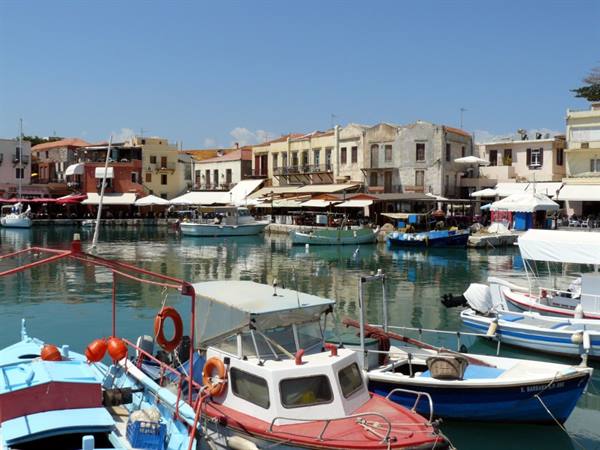
We set off towards the west coast of the island and reach the town of Rethymnon, one of the most enchanting in Crete. The location is dominated by the Fortress; at its feet a maze of cobbled alleys rich in atmosphere, characteristic restaurants and spice shops with the Venetian Loggia and the Neratzes Mosque (unfortunately the minaret is under restoration). The most picturesque part is undoubtedly the old Venetian port, where a row of pretty pastel-coloured buildings face the sea. While wandering around the centre I book the transport for the Samaria Gorge at a small local agency for 23 euros (gorge entrance and ferry excluded). Organised transport is a must to visit the gorge, since the starting point and the arrival point are several kilometres apart. We leave the beautiful Rethymnon and continue until we reach the Pilot Beach Resort, where we'll stay for 5 nights.
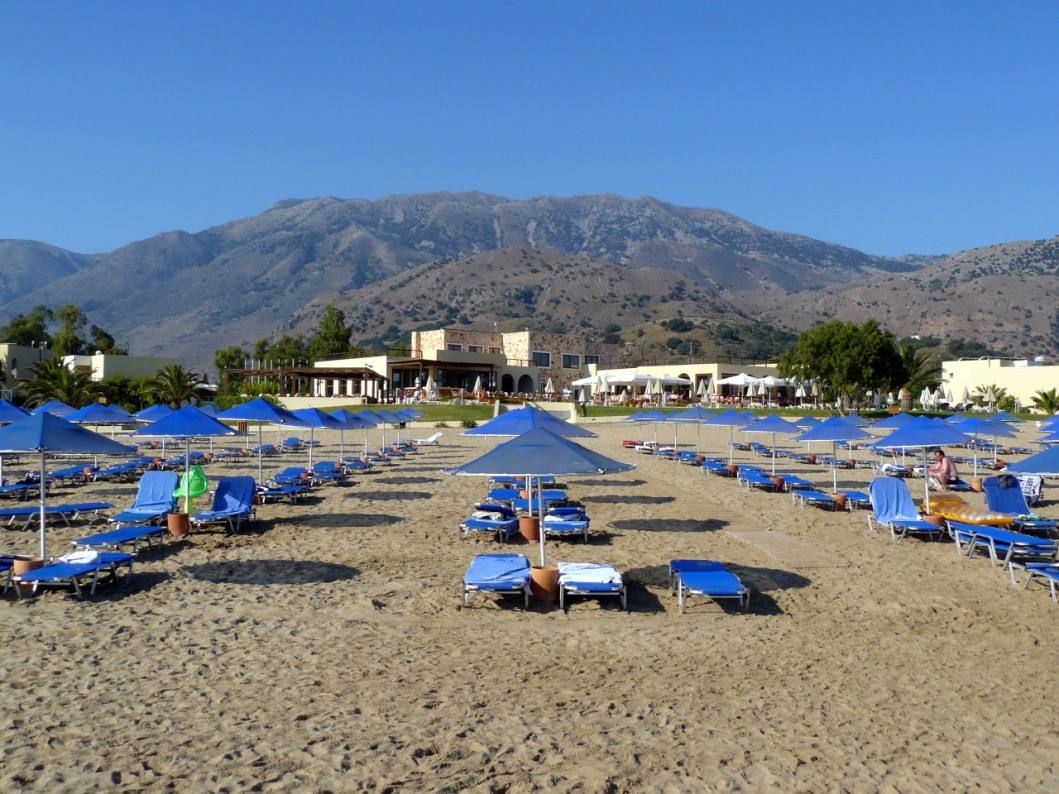
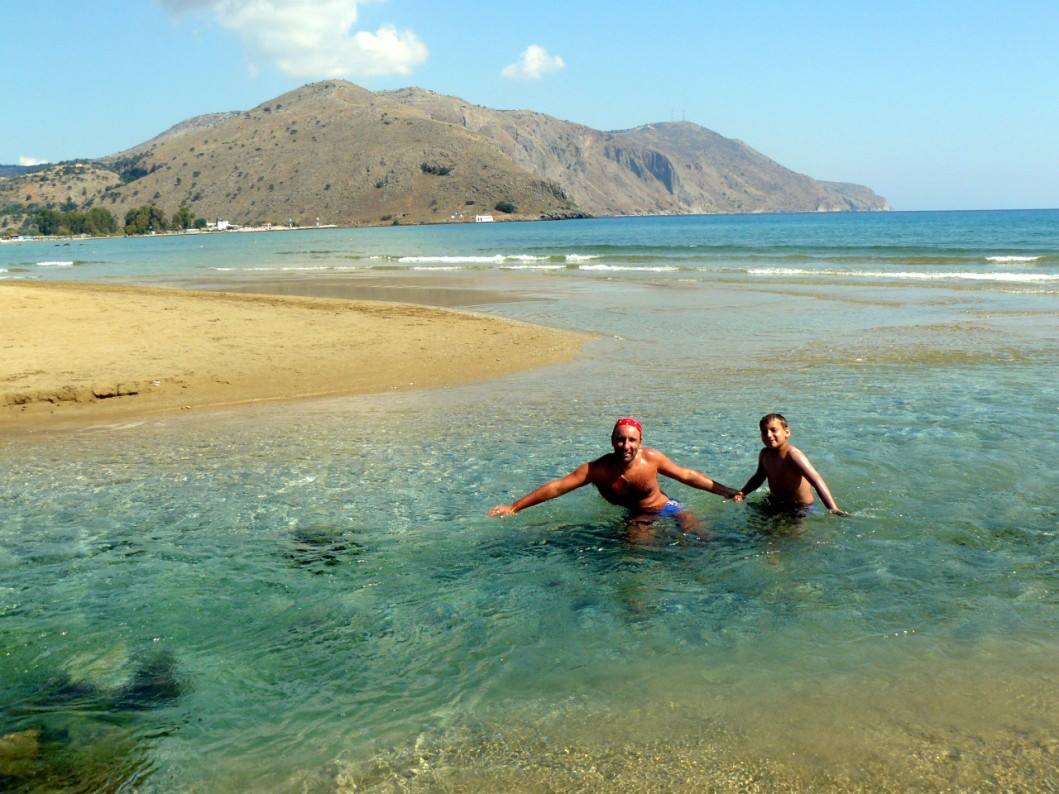
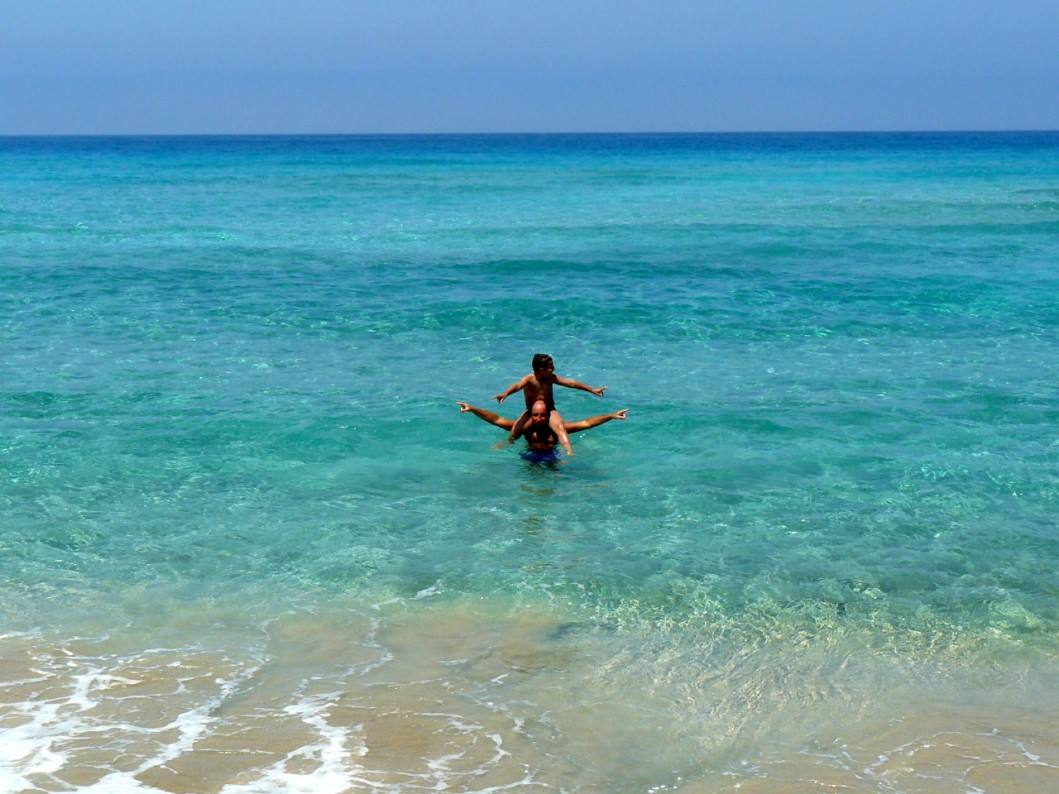
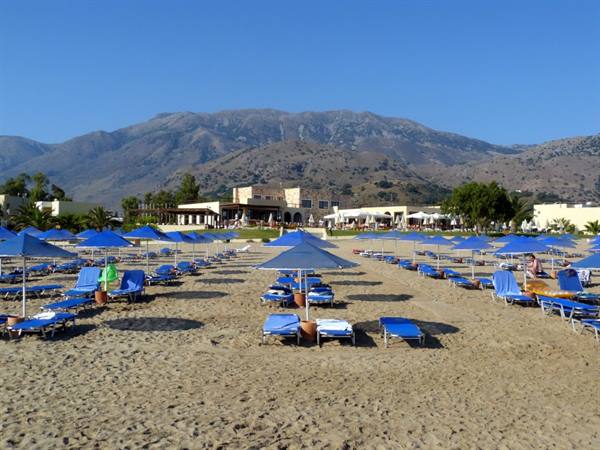
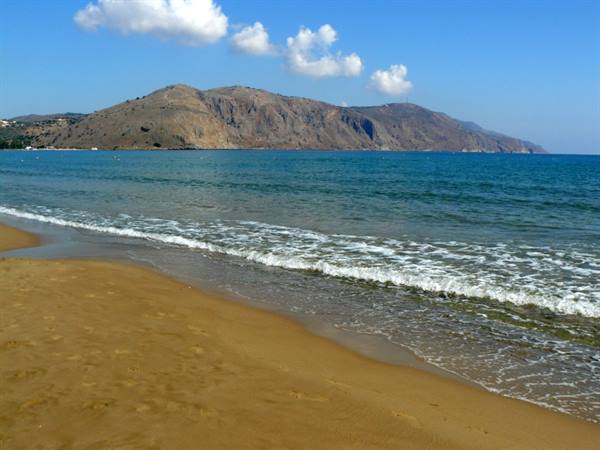
Pilot Beach Resort Splendidly positioned on the long sandy beach of Georgioupolis, the Pilot Beach is an elegant and very well-kept resort worthy of its 5 stars, both as regards the services offered and the quality of the service. The structure fits harmoniously into the landscape, with two-storey cottages immersed in the large gardens, some facing the sea, others positioned around the various pools. The rooms are elegantly furnished, have every comfort and an equipped terrace. Each area has its own pool but the main one is truly splendid, surrounded by umbrellas and sunbeds that, at least in June, are free at any time of day. From here the beach is reached via an underpass in less than 5 minutes: Very wide, with fine sand, clear and transparent water. Free sunbeds also at the beach at least until the end of June; the resort's beach is rather full.
The restaurant service is very attentive, as is the extensive buffet, where I was particularly struck by the variety of fish served, always different and cooked in various ways, for example there were even king prawns, as well as grilled swordfish and much more. Many Greek specialities offered, and there's even pasta, although it's not a local speciality. Possibility to dine at the main restaurant, buffet service, with a large terrace, or, without booking, at the Greek restaurant, with a buffet of appetisers and desserts and the main course served à la carte with a choice between 3 different menus. Light evening entertainment programme, mini club for children. Drinks expensive both at the restaurant and in the bars. Impeccable cleanliness both in the rooms and in the common areas and outdoor spaces. We booked directly with the resort, half-board service.
During the stay we were offered a fruit basket and a bottle of wine in the room, while at check-out they gifted us with a package of their own-produced olive oil. Overall, an excellent choice.
Pilot Beach Resort beach
Day 428 Jun 2010
The Samaria Gorge - Crete at its most impressive
The Samaria Gorge, with a length of 18 kilometres, is described as the longest in Europe; its territory is part of a protected national park and today represents one of the most characteristic and unmissable excursions during a stay in Crete. Along the route, which begins at 1229 metres of altitude and ends at the sea, you encounter surprising different landscapes, from the typical mountain environment to the Mediterranean scrub. The trekking route starts at the locality of Omalos and ends at Agia Roumeli, a small village where there are no roads, from where the ferries depart that lead to Hora Sfakion or to Souyia.
To do the excursion, you can use the public buses that leave from Chania or, more conveniently, rely on some local agency that organises the entire transfer starting from your hotel, at a cost of about 23-25 euros, plus the entrance to the gorge (6 euros) and the cost of the ferry (about 9 euros). The departure varies between 5.20 and 6.00 and the return is expected between 20.00 and 21.00, depending on the departure location.
The bus I booked stops on the main road in front of the Pilot Beach. A narrow winding road leads from the north coast up to Omalos, at the start of the route called Xiloskalon (wooden staircase): the first stretch can be traumatic, not so much for the steep descent that puts your leg muscles to the test, but for the considerable traffic of people who, starting at more or less the same time, find themselves lined up on the narrow path like a ring road at rush hour. Fortunately, after the first stops, the group of hikers inevitably disperses, so much so that I walked almost the whole route practically alone, a sense of peace and tranquillity that I certainly didn't expect to find.
The 18 kilometres aren't particularly tiring, the route is often in the shade of the pines or the gorge, the climate rather cool at least until halfway, but the length makes itself felt and the path surface is mostly pebbly and irregular. In total I took just under 5 hours to cover the entire route, including photo stops and a refreshment break. Start slowly, I saw real torpedoes making their way and rushing along the first stretch, naturally then overtaken before the halfway point since they had burnt out. Along the route there are numerous springs with fresh water, toilets and picnic spots.
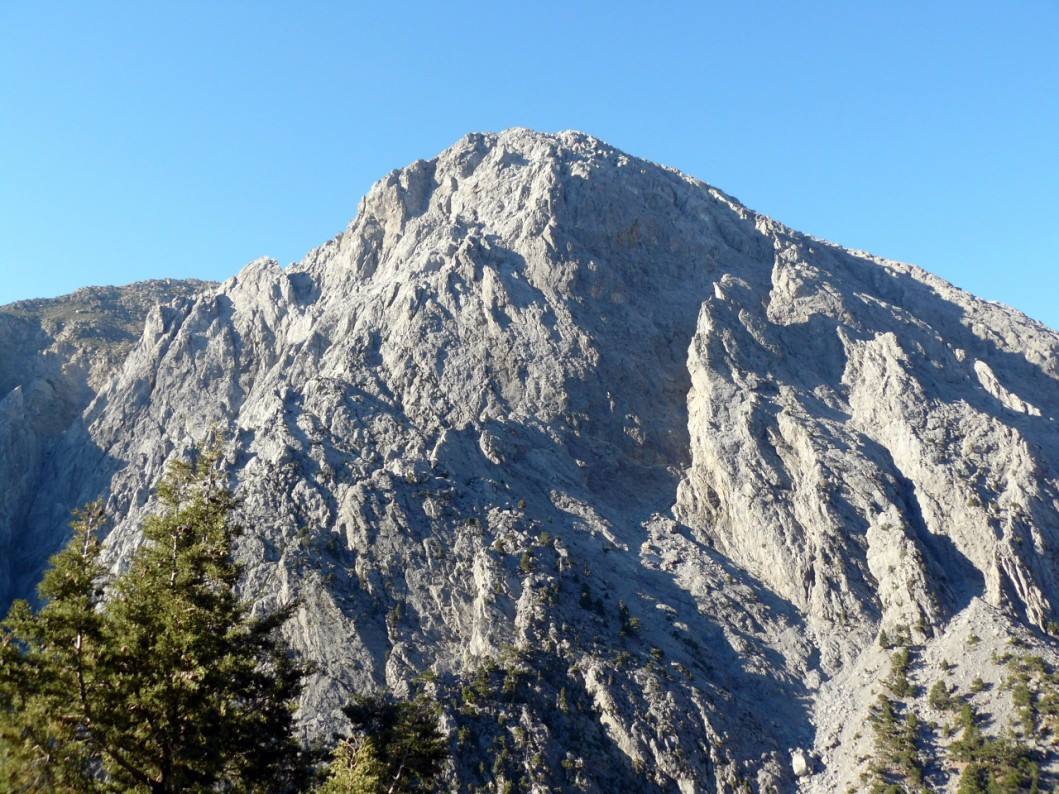
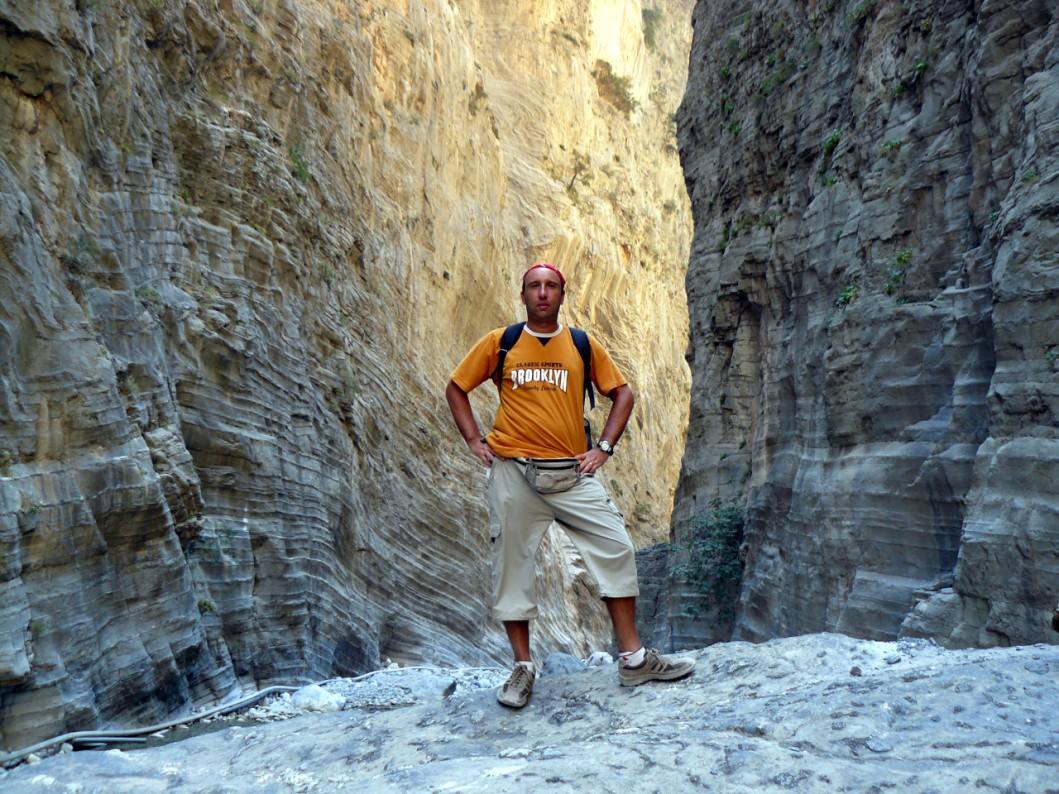
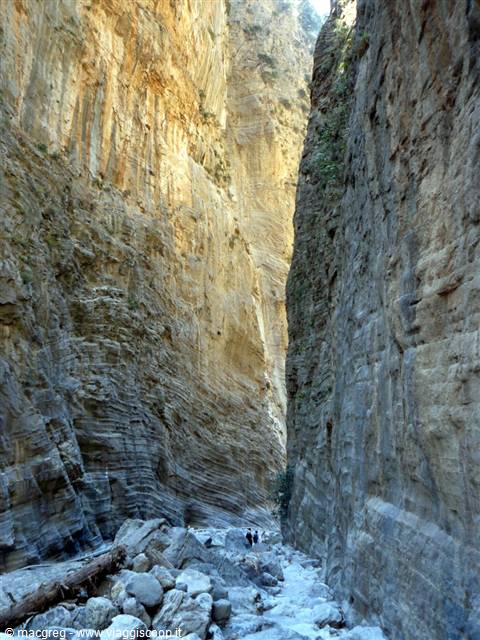
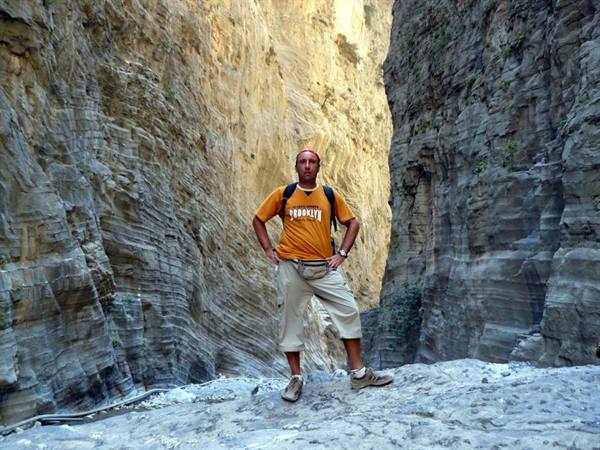
Although it's declared the longest gorge in Europe, in reality the stretch that really penetrates into the narrow gorge is much more limited; most of the route is in a wide, very green valley, surrounded by the imposing peaks of the White Mountains, with stunning landscapes. The first stretch is decidedly steep and in 4 kilometres you cover a difference in altitude of over 600 metres. From Samaria the route becomes more pleasant and flat, up to the entrance of the gorge which represents the most spectacular stretch, where the vertical walls rise powerfully towards the intense blue of the sky, until reaching the narrowest point, the so-called Iron Gates (Sidheresportes), where the distance between the two walls is just a few metres. This stretch is crossed by a very clear stream that you have to cross several times thanks to small bridges or stepping stones.
Among solitary pines seeking the light in the middle of the canyon, wild flowers sprouting from nothing, harsh and reddish rocky walls, the landscape is truly fairy-tale. Once the gorge is finished, you still have to walk 2 kilometres to reach the beach of Agia Roumeli, where you can relax for a few hours in the crystal-clear waters of the Libyan Sea, before boarding the ferry that leads to Hora Skafion, where you set off again by bus for Chania or your destination. There's also the possibility of doing the short tour starting from the ferry arrival point and going back up to the Iron Gates, which I highly advise against, since in my opinion the most spectacular stretch is much further on, at the mouth of the gorge; moreover you do the stretch uphill, in the sun and during the hottest hours.
The Samaria Gorge is only open between May and October, since in the other months the stream's flooding makes the route impassable. Although it's a long and demanding excursion, I strongly recommend to all those who visit Crete and have the opportunity, to get their backsides off the sunbeds for a day, firm up their glutes and burn off a bit of the belly stuffed by the hotel buffets: the spectacle of the gorge is truly unique and fascinating, a true natural wonder to enjoy calmly and tranquilly. Moreover, on your return, you'll be able to boast to 99% of the idle tourists at your resort who stayed lolling and snoring under the umbrellas, maybe complaining that Crete, in the end, isn't such a big deal...
Pilot Beach Resort beach
Day 529 Jun 2010
Kounas Lake
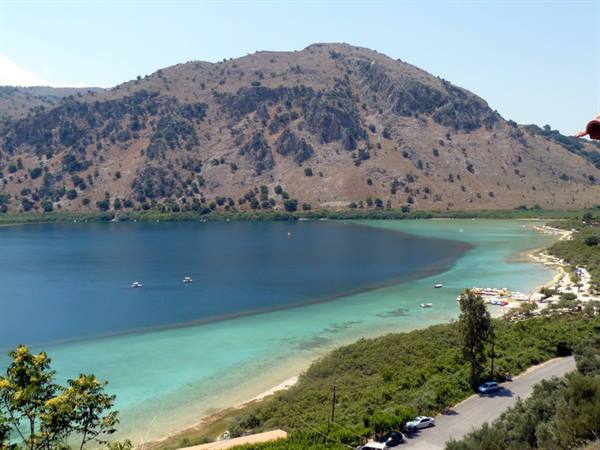
Between one dip and another, one midday we decide to go for a picnic at Lake Kournas, located a few kilometres behind the Pilot Beach. It's the only natural lake on the island of Crete; it leaves you enchanted at first sight. Walking along the road that comes from the coast, before reaching its shores, it's worth continuing along the road that climbs for a couple of kilometres past the village of Kournas, to admire the incredible lake from above: The colours of the water are astonishing, with a long blue strip that recalls the Caribbean, then getting lost in the intense blue, surrounded by the mountains. On the lake shore there are numerous typical tavernas with tables in a panoramic position, picnic tables and a couple of establishments offering sunbeds and umbrellas.
It's worth renting a pedalo (by haggling you pay about 5 euros for an hour) and going all the way across the lake to the opposite shore, where you can also observe the turtles. The water is clear and pleasantly warm in summer. It is reached by following a well-signposted road of about 5 kilometres from the locality of Georgioupolis. You can also arrive with the tourist train that leaves from the centre of the locality.
Falasarna
Day 61 Jul 2010
Falasarna
We leave the Pilot Beach for good to reach the far west of Crete: our intention is to reach the Balos lagoon by car, before the arrival of the boats packed with tourists. Unfortunately our plans are turned upside down by the terrible dirt road that starts from the village of Kalivian: having reached about halfway not without difficulty, we find a road plunging down to the sea, full of incredible potholes: our car is rather low and after nearly leaving the exhaust pipe and the oil pan on the dirt road, we're forced to turn back. I really advise against travelling this road with normal vehicles, unless the car is particularly high (I saw some cars that passed some critical sections with less difficulty, but you really risk wrecking everything, the insurance doesn't cover any damage on this road).
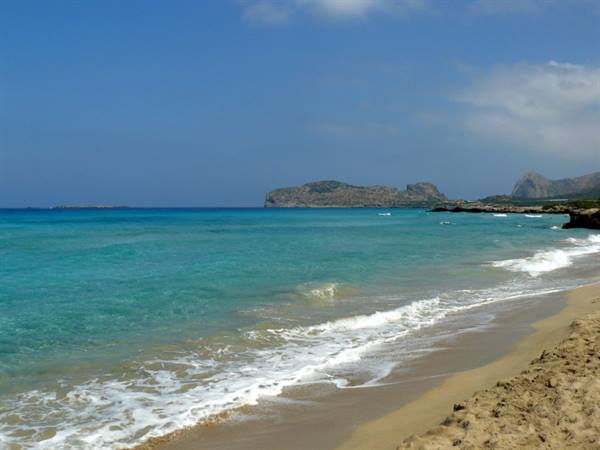
Having abandoned the idea of reaching the place by boat (I'm not a fan of beaches reached with the masses...), we set off for an alternative destination: the beach of Falasarna. Overshadowed by the famous beaches of Balos and Elafonissi, the splendid Falasarna beach is practically unknown to mass tourism and offers one of the most beautiful and least frequented coastlines on the island of Crete. The long beach is of very fine sand, bathed by a sea with breathtaking colours, ranging from turquoise to blue, with clean and crystal-clear water, even when the sea forms imposing waves. A steep road descends from the locality of Platamos, in the far west of the island, thanks to a series of hairpin bends. Once you reach sea level, you come across two branches that lead to the beach; I recommend the second, which reaches the most beautiful and least frequented stretch of beach.
At the end of both branches, there are small tavernas that also have sunbeds and umbrellas (6 euros for the whole day, umbrella and two sunbeds), while the central part of the long beach is left practically intact and wild. At the northern end, there's a rocky area that forms suggestive coves. A place not to be missed if you love quiet beaches.
After a few hours of relaxation on the beach, we reach the locality of Maleme where we've booked 2 nights at the awful Mike Hotel, a real rip-off. You can read my review on:
No matter, we'll only be there to sleep and as a base to reach Elafonissi. Maleme has a nice seafront (the beach, however, is very ugly), full of small open-air restaurants where you can enjoy excellent fish.
Elafonissi
Day 72 Jul 2010
Elafonissi
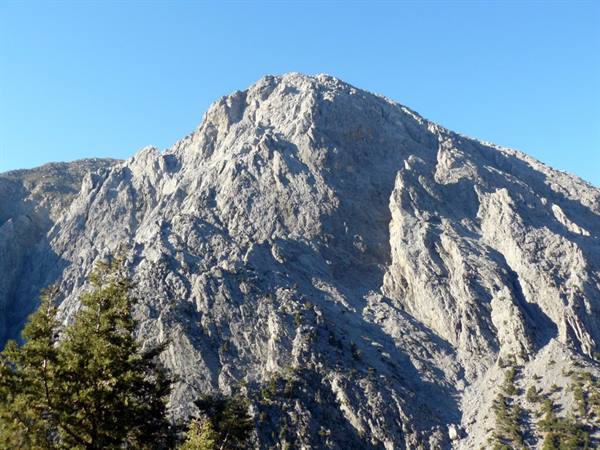
We set off early to reach the splendid beach of Elafonissi, which is in an uninhabited corner of Crete, in the far south-west, and to get there you have to cross the mountain range of the central area of the island, with suggestive roads that embrace harsh and solitary landscapes, dominated by the White Mountains, also called Lefka Ori. They are the most imposing and suggestive mountain range of Crete and form a veritable barrier between the north and south coast of the western part of the island. In fact, to connect the two sides, you have to use the panoramic roads that climb up the flanks of the mountains, among green and lush valleys, narrow gorges and little villages where time seems to have stopped. They present themselves with their imposing bare appearance and the characteristic light colour of the rock, from which the nickname White Mountains comes precisely.
We arrive early at Elafonissi, after a stop at a little church along the road, set into a cave and reachable via a steep staircase.
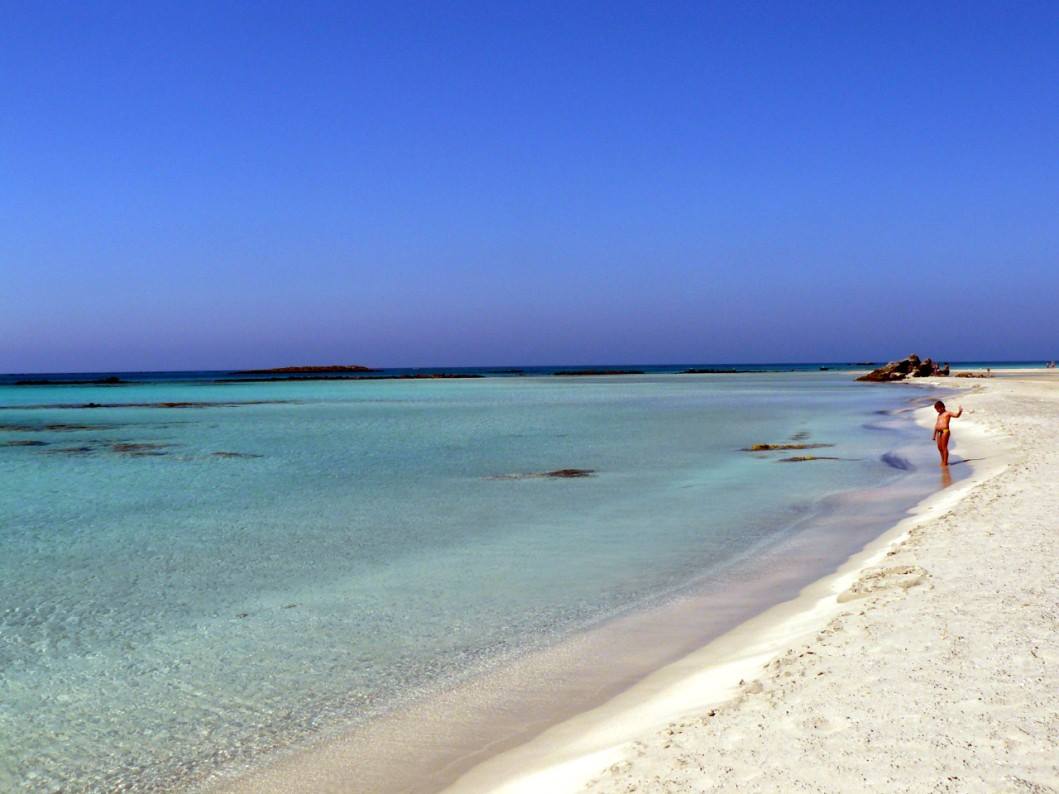
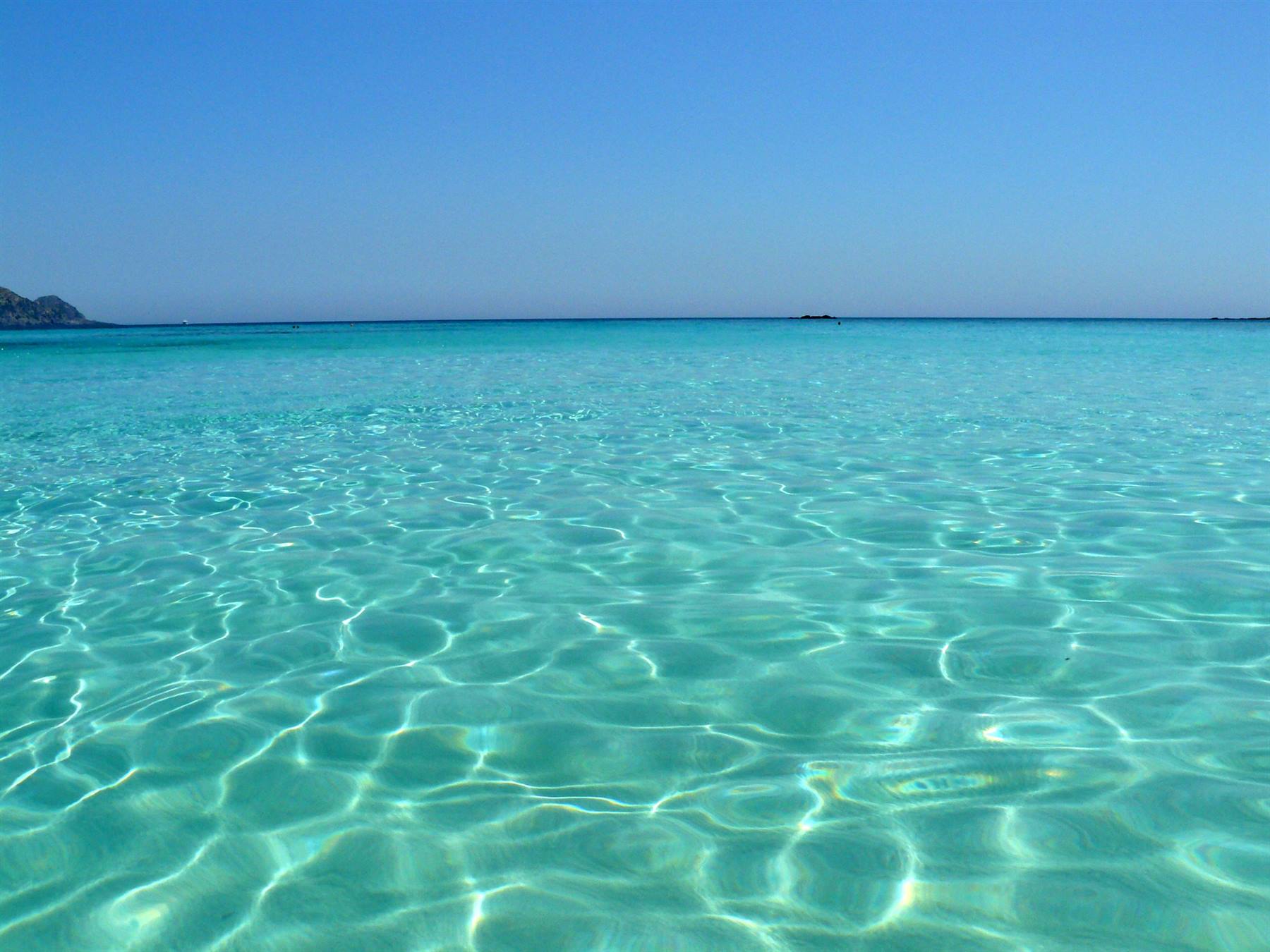
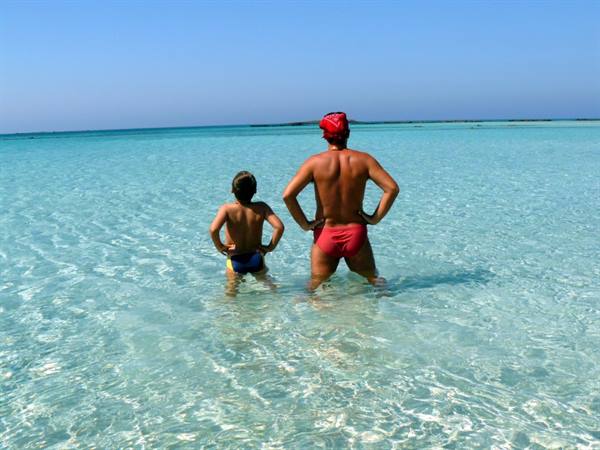
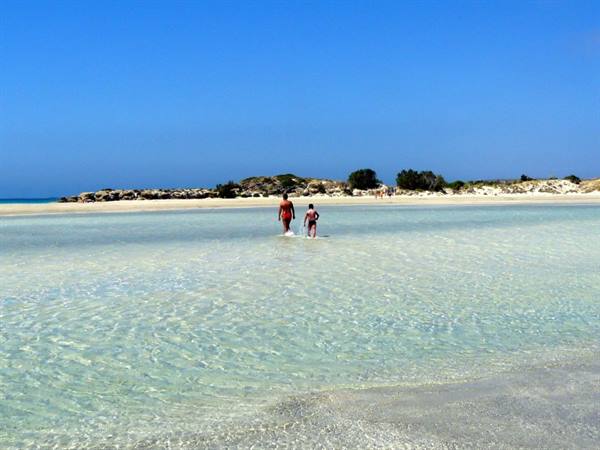
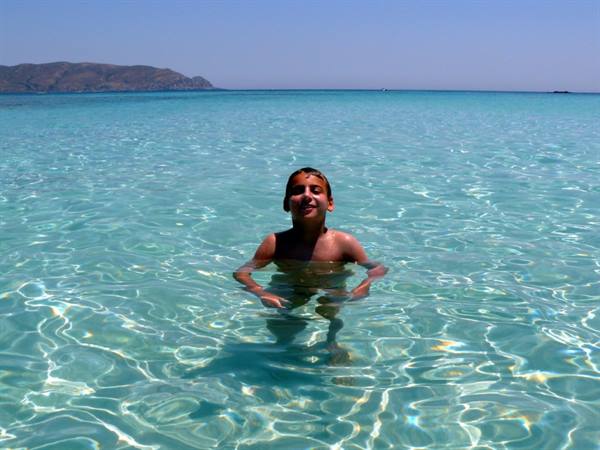
My goodness what a beach! Wow, had I known earlier, I would have booked a couple of nights at the only small guesthouse I saw in this area, instead of limiting my visit to Elafonissi to a single day. Indeed, all the accounts I had read suggested that the place is truly a spectacle, but not even trusting myself in the reviews, I had doubted. Elafonissi is undoubtedly the most beautiful beach I've ever seen in the whole Mediterranean and I can easily compare it to some I've walked on in distant worlds: soft white sand, tending in some points to pink, very calm turquoise water, with unsurpassable transparency and dreamlike shades. An immense inviting lagoon, a long beach that cuts in two a stretch of sea and separates it from an island, reachable on foot by walking in the lagoon. On the island, other delightful coves, the most distant deserted at any time of day.
The place is truly a paradise, but only in the morning until 11 and in the afternoon after 3, when the beach belongs to just a few souls: in the central hours of the day indeed, with the arrival of the mass tourism buses, it's better to move off to some remote cove, where you can carve out your own personal space. In any case, Elafonissi offers enough space for everyone and the feeling of crowding isn't felt even when the people start to be too many. In the central part of the beach a couple of rows of umbrellas are available, which don't disturb the environment, at the modest price of 7 euros for two sunbeds for the whole day. Behind, a couple of small tavernas, some showers and a public changing room, a convenient car park in a large dirt area. A small, true, authentic Caribbean corner in the heart of the Mare Nostrum!
Along the way back we make a short stop at the monastery of Chryssoskalitissa (€ 2), a short distance from the famous beach. I'll immediately point out that it's absolutely not among the most beautiful monasteries of the island and is heavily exploited for tourism. The postcards show it immaculate white, on top of a promontory dominating the sea, but the impact is quite different: brownish in colour and surrounded by scaffolding for renovation works. To go up to the monastery you have to pay 2 euros: Legend has it that a step appears golden to the pure of spirit; there was no doubt that I wouldn't be able to see it... The Church is very small but decorated and adjacent there's a small museum with the tools used by the monks
Chania
Day 83 Jul 2010
Chania – Frangokastelo – Plakias
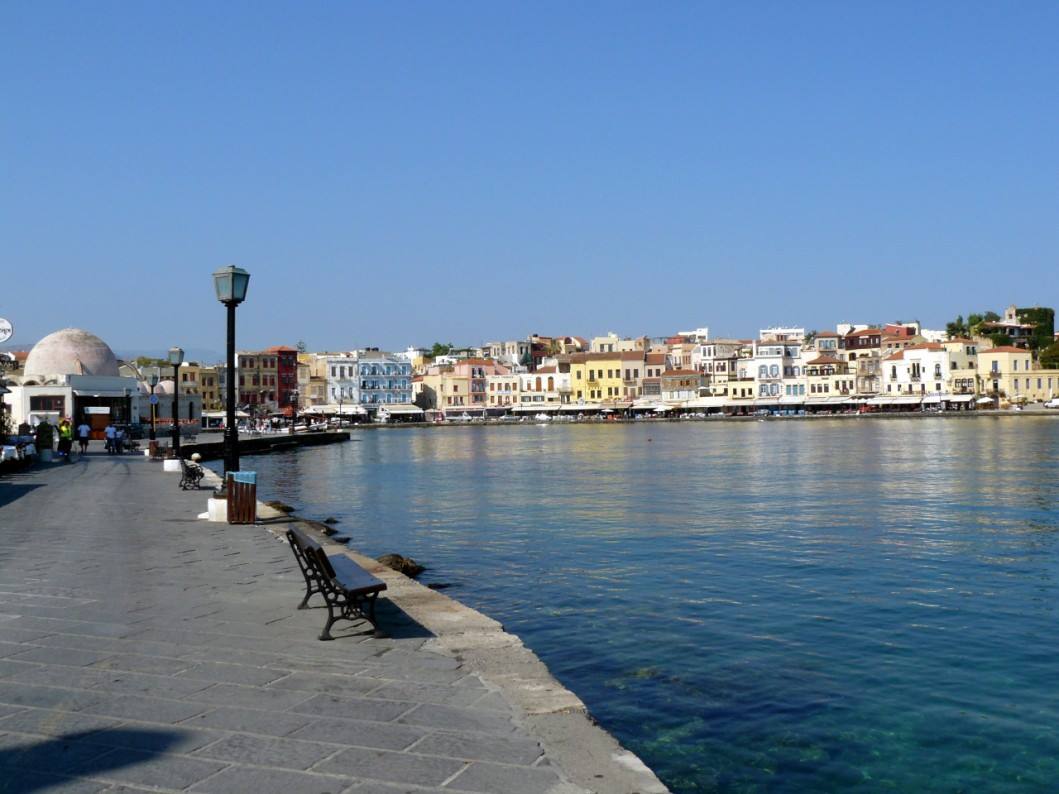
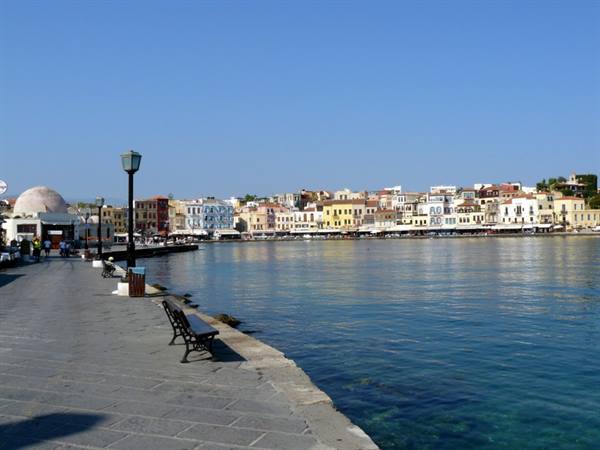
We move towards the south of the island, in the direction of Plakias, stopping to visit Chania. The characteristic historic centre extends along the port area, the most typical neighbourhood of the city, always lively, both day and night, with a large number of tourists. You enter it by walking along the most touristy street, Halidhon, where an endless number of shops follow one another. The street ends in a characteristic square, called the port square: There's a fountain surrounded by the tables of the numerous cafés and restaurants. Opposite is the inner port, with the long seafront promenade and the Mosque of the Janissaries, the oldest Ottoman building in all of Crete, a mosque with a bizarre appearance that dominates the landscape with its large dome.
Walking along the seafront the view ranges over the suggestive buildings facing the sea, colourful houses that seem to lean against one another. Some boats offer excursions in the port and along the coast, particularly at sunset. The Cathedral of Chania, although not an imposing building, encloses beautiful decorations inside. It faces onto a large paved square, with palms and cafés, and presents itself with a simple façade, ochre in colour. The interior is characterised by the typical Orthodox style and houses some Byzantine works; you can also notice the elegant wooden chairs, the imposing silver altar, the rich decorations and some very elaborate display cases containing relics. The church is rather recent and dates back to 1860. The covered market of Chania is undoubtedly one of the most characteristic in Crete.
Enclosed in an imposing structure with two large entrance gates, it faces onto a green square surrounded by benches. Inside there are the shops that sell a bit of everything, from the classic tourist souvenirs to the typical food stalls, among which stand out the exquisite olives, available in different qualities, the curious butchers with goat heads hanging, complete with tongue and eyes, the tasty goat cheeses and even huge bins of snails still alive. Inside the market, rather vast, there are also cafés where the inhabitants of Chania gather.
We leave Chania and move towards the south, crossing again the heart of the island and the mountains, until we arrive near the village of Chora Sfakion. After descending to the Libyan Sea by means of impressive hairpin bends, we continue towards Frangokastelo. Here the roads are decidedly winding and panoramic, set between sea and mountains. Stop at the castle and the beach of the same name, beautiful and sandy, little frequented and lapped by clear and crystal-clear sea, with the imposing outline of the castle and the wild mountains as a backdrop. Built in 1371 as a defensive bulwark against possible Saracen invasions, in fact never used for the purpose. We finally continue to the seaside village of Plakias, truly a pleasant place, a beautiful seafront with restaurants facing directly onto the pebble beach, in a natural environment unspoilt compared to the rest of the island.
The prices are also decidedly lower than on the north coast; an excellent dinner based on Greek appetiser, mixed grilled fish and beer costs no more than 10 euros.
Spili
Day 94 Jul 2010
Preveli, Spilli, Panormos
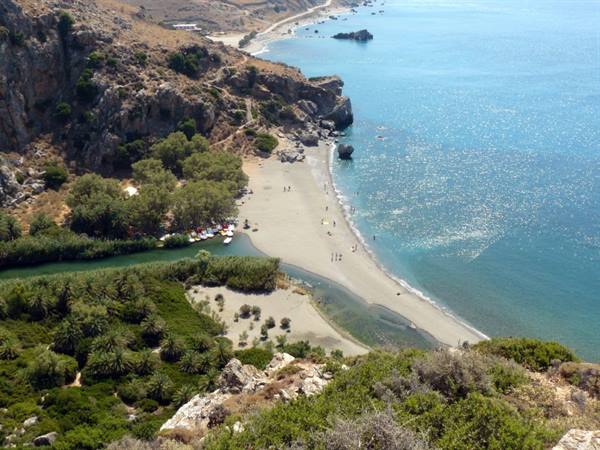
Early in the morning we reach the beautiful beach of Skinaria, lovely location and enchanting water, plus it's just us. In the late morning we continue along the south coast, the road climbs up a hill, up to the Orthodox monastery of Moni Preveli (€ 2.5), one of the most fascinating and venerated in all of the island. The atmosphere at the monastery is of absolute peace and tranquillity, despite the numerous tourists. Once the visit to the monastery and its museum is over, we go to see the view over the beautiful Prelevi beach, walking the short stretch on foot that reaches the beach in about 30 minutes, following a path traced in the rock. The view is truly enchanting; Prelevi Beach is set like a little gem at the mouth of a stream, surrounded by palms.
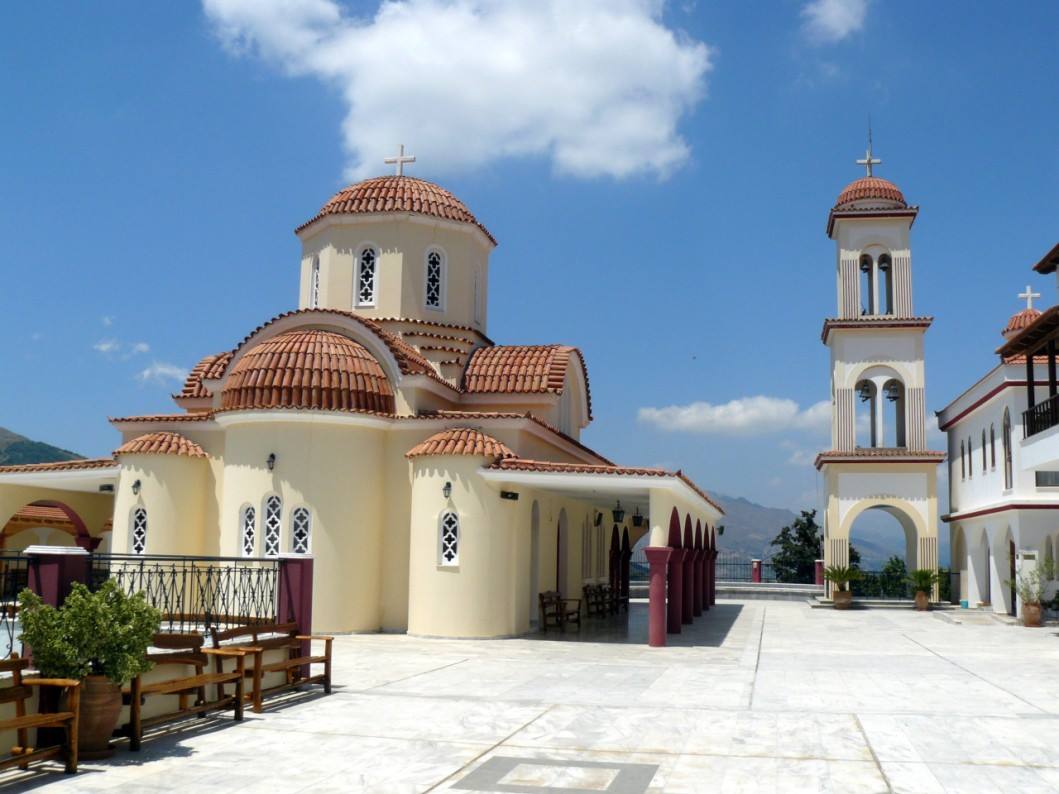
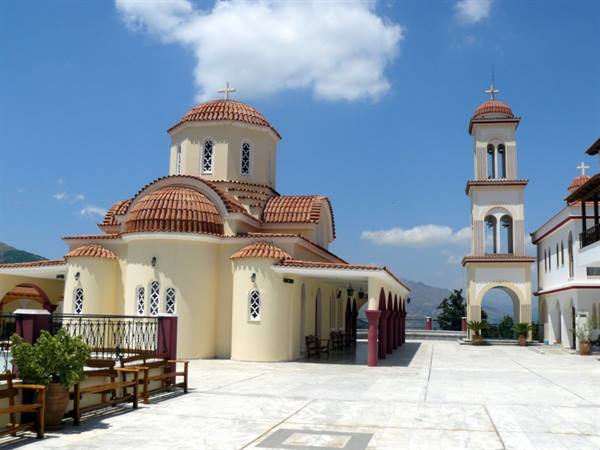
We return towards the north of the island, with a short stop at the mountain village of Spilli, with a beautiful modern church and a characteristic historic centre, where there's a curious fountain surrounded by a nice square. We reach Panormos, where we'll stay for a week at:
Iberostar Creta Panorama
Located in a panoramic position on the sea, in a large stretch of unspoilt coast, the Iberostar Creta Panorama offers its guests a multitude of excellent quality services. The structure is modern and large, with the rooms distributed in the central building and a series of bungalows scattered in a large and very well-kept garden. Available are 6 pools, one of them enormous, with sea water, a buffet restaurant with a large outdoor terrace, various sports entertainments such as tennis, archery and rifle shooting, minigolf, football and basketball as well as an open-air theatre with bar and tables. The rooms are spacious, bright and well furnished, with a well-equipped balcony, LCD TV and every comfort.
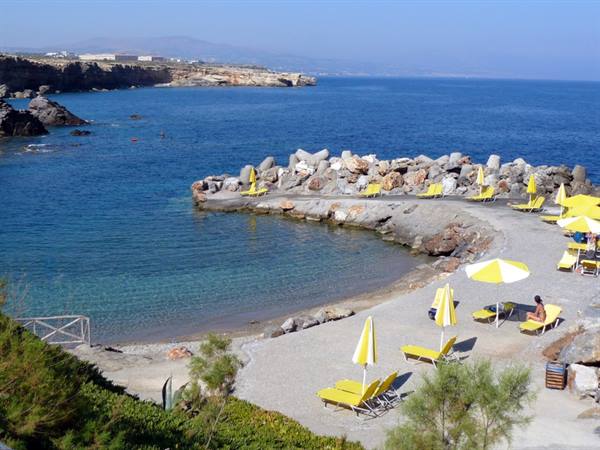
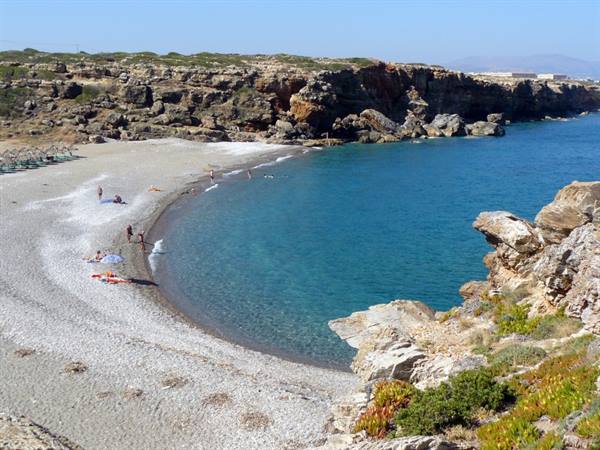
The cuisine is excellent, served buffet-style (themed dinners) with a wide choice of Greek, international dishes and the ever-present dishes of our cuisine, prepared on the spot by a very good Italian chef. Also a show cooking corner with grilled meats and fish, unlimited choice of drinks with meals and all day at the bars (all inclusive). The themed aperitif at the restaurant entrance in the evening is also nice. Good international entertainment staff, many proposals throughout the day for those interested. The hotel has small artificial coves bathed by a fairly clean sea, but the space available is really small, with sunbeds and umbrellas positioned on concrete platforms. A public beach is reachable with a 5-7 minute walk: Very clear water even with rough sea but mainly made of pebbles.
Among the flaws: The decidedly salty water of the pool, the usual morning race to get the best position of the umbrella and the rather small artificial beaches, while the public one could be cleaner. Few people go to the beach; the result is that the main pool is very crowded. During the stay we visit the small town of Panormos, on the northern coast of Crete, about twenty kilometres from Rethimnon, and it presents itself as a pleasant village that develops around the little port. Here there are numerous venues and very well-kept restaurants, with cuisine mainly based on very fresh fish, as well as various characteristic shops specialising in the sale of typical products and souvenirs. From the port it's possible to take boat trips along the coast, discovering the numerous caves. The centre is connected to the various resorts in the area by a tourist train service.
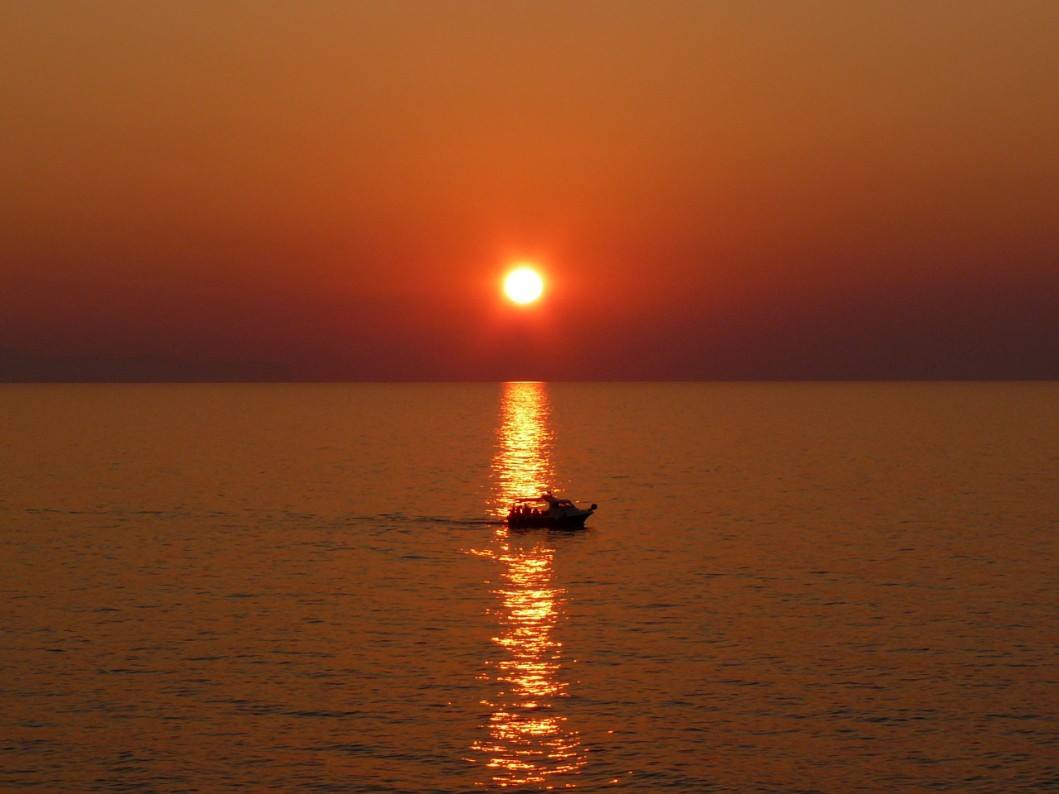
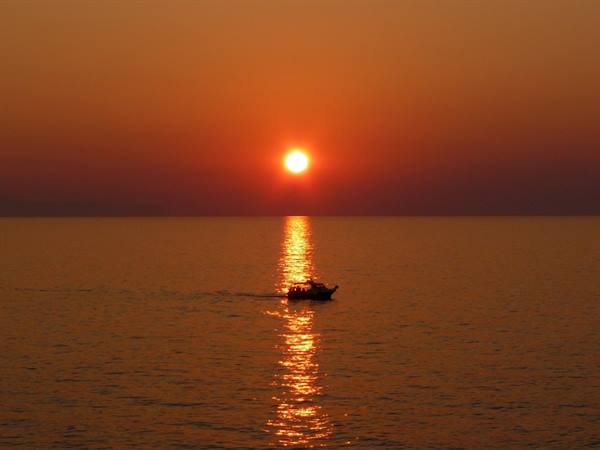
sunset at the Iberostar Creta Panorama
Day 1011 Jul 2010
Melidoni Cave, Arkadi Monastery, Heraklion
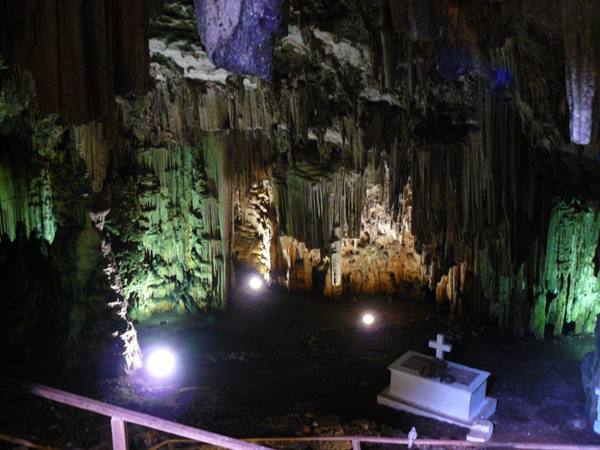
Last day in Crete. We leave Panormos and head towards the monastery of Arkadi, with a stop at the cave of Melid














0 reader comments