The story
A do-it-yourself trip to an island (Tinos - Cyclades) off the usual tourist itineraries. We are two couples, guests of a friend who put his house at our disposal, recently renovated, entrusting us with the keys along with some general directions for finding it. It's 6 August 2009. We manage to find a flight from Rome to Mykonos with the airline Blue Panorama. We land around 10:30 and have to move to the old port to board for Tinos. Great confusion outside the airport to grab a taxi (there are really very few). But we're Italian and we know how to fend for ourselves!! We board; the meltemi (the dry, cool wind that blows in the Aegean Sea area, particularly in summer - Wikipedia) makes itself felt, but after about twenty minutes we disembark at Kora, the capital and port of Tinos. We rent an open-top Jeep and follow the directions of our friend, the owner of our accommodation.
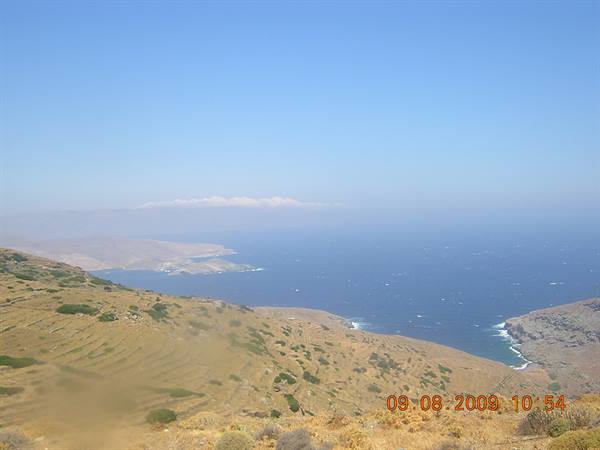
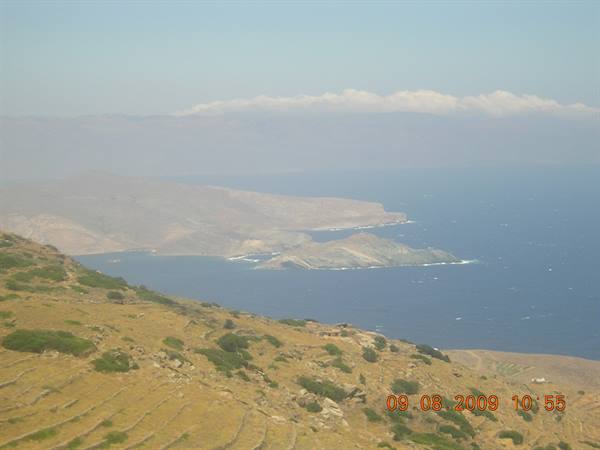
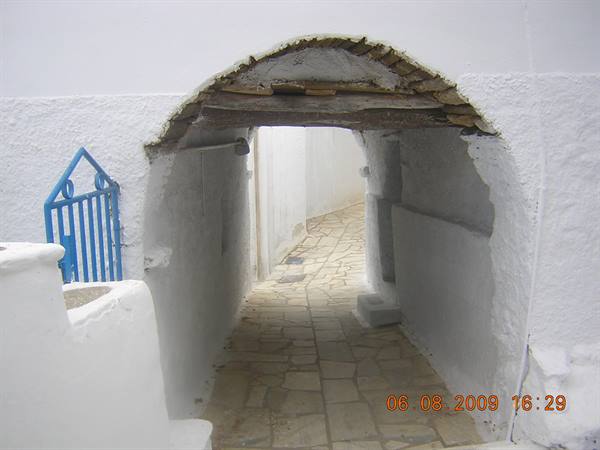
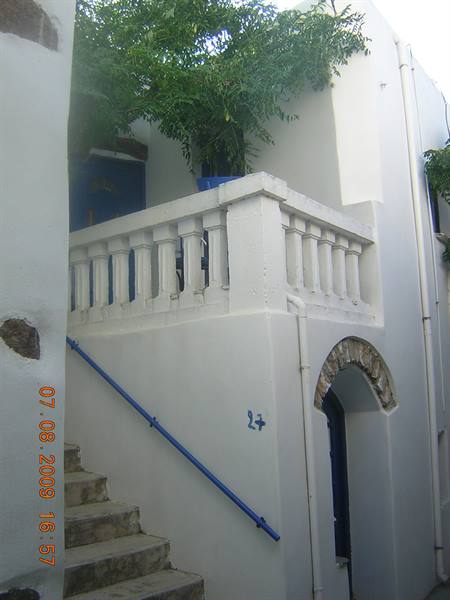
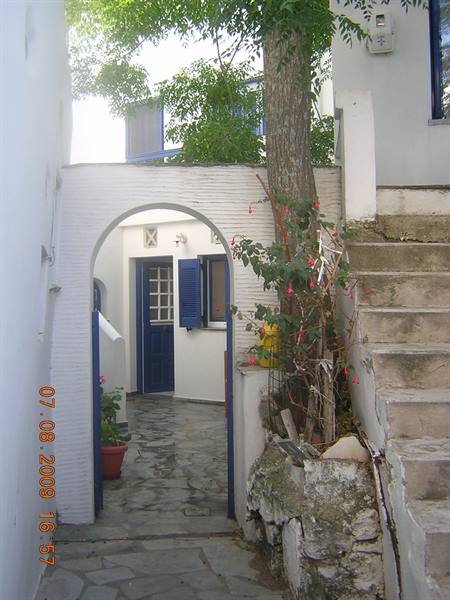
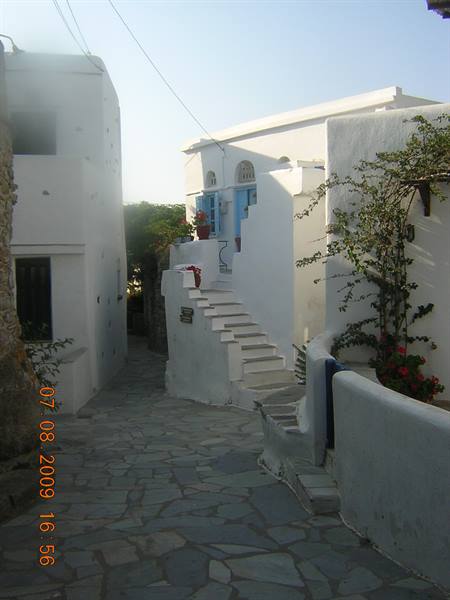
You climb and climb, and after about 6 km we arrive at Dyo Choria, a village perched on the hillside made of white houses and alleys passable only by donkeys and mules. We'd been given a general direction like: you have to go up some steps, the house is the last in the village, the highest. After the first hundred steps, there's a tree-lined little square (in the following days it will host a festival with a big barbecue and folk dancing) from which 4 or 5 flights of steps branch off - which one to choose?? At the fourth flight, and I don't even know how many hundreds of steps, completely drenched in sweat and badly out of breath, we find the house. Until then we hadn't realised what was behind us: seven islands crowned a breathtaking panorama, closer were Andros, Syros, Delos and Mykonos, in the background Sifnos, Paros and Naxos.
The house is splendid; we have two independent apartments renovated and furnished with great taste and skill in keeping with the place, and a well-kept garden with a large marble table from which you enjoy the scents of the Mediterranean scrub that grows wild all around and the enchanted scenes bathed in blue. We start making contact with the local people; most are Greek tourists who have their second home there, and a few locals, among whom stands out a farmer all bent by the toil of the fields, of indefinable age, with a great desire to communicate with us - partly by gestures, partly with the four words of Greek we know - we immediately strike up a lively, joking relationship (afterwards gifts will rain down on us: tomatoes and peppers from his garden, home-made ouzo and various local vegetables).
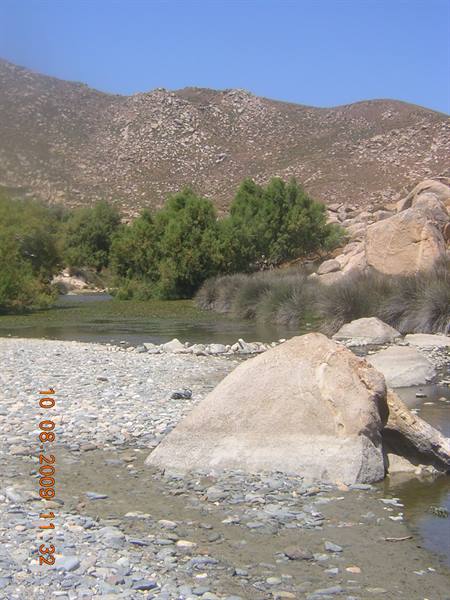
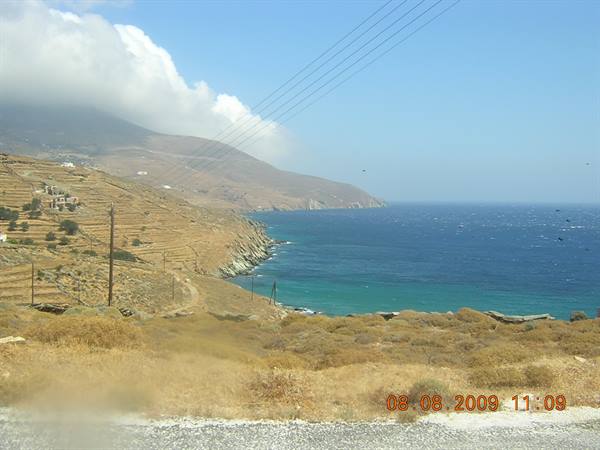
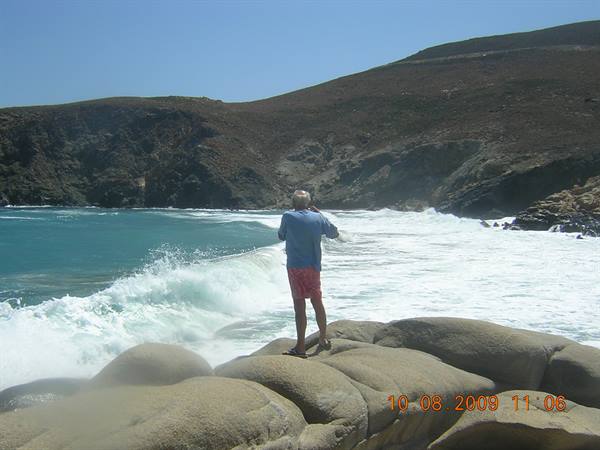
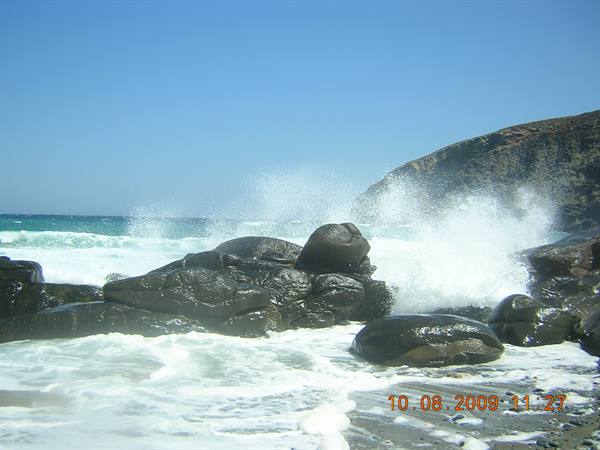
After consulting the island map and hearing from our friend the house owner, who guides us through targeted texts, we visit day after day all the most beautiful beaches of Tinos: 1) the windy Livada with granite boulders sculpted by the wind and upstream a distinctive freshwater lagoon 2) Ormos Aghios Ioannou facing Mykonos 3) the beautiful and sheltered Ormos Panormou with the old port from which departed the famous marbles with which, it's said, St Peter's Basilica in Rome, St Mark's Church in Venice and Buckingham Palace in London were built 4) the fashionable (so to speak) and well-equipped Kolympithra
Picturesque and well-kept are the inland villages, among which stand out Volax (to get there, taking the wrong road, we found ourselves on a dirt track where not a living soul passed, with dense Mediterranean scrub and great granite boulders among which goats grazed freely, numerous all over the island; incidentally we crossed a hare and two badgers hopping playfully in the middle of the deserted road), Komi with its sculptors and its marble museum, and Steni.
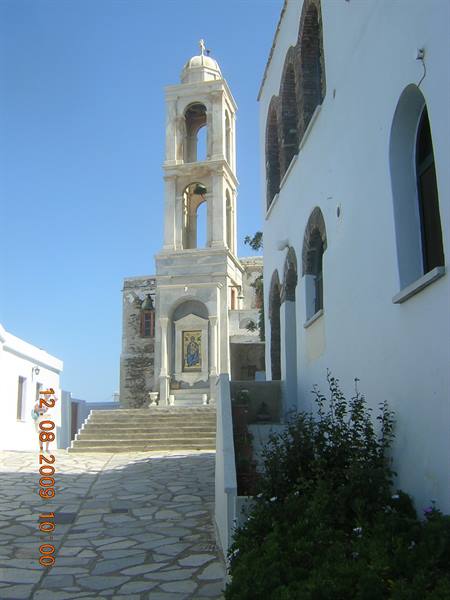
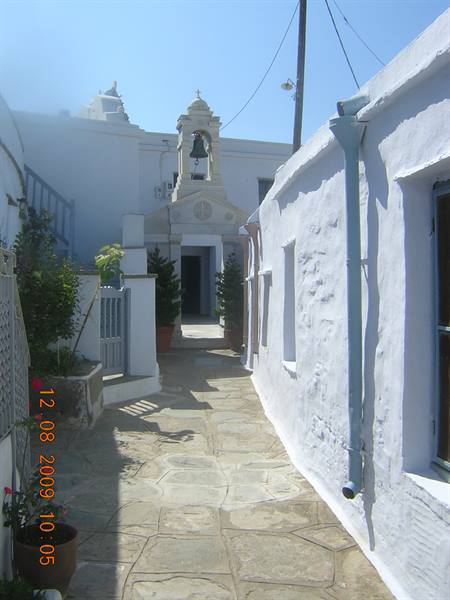
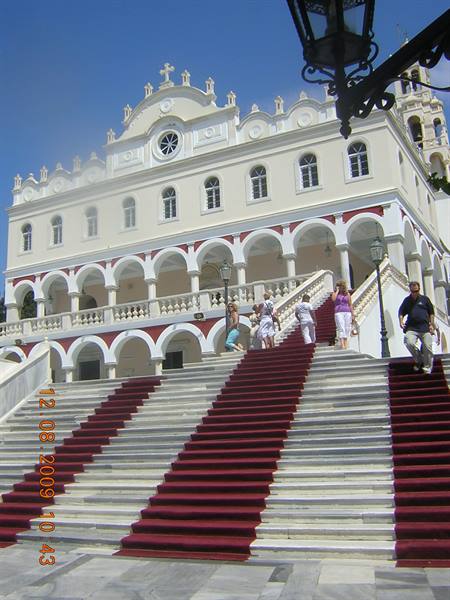
Worth visiting Monastiri: a fortified, self-sufficient Orthodox monastery built to resist the sieges of the infidels, with extraordinary spontaneous architecture made of alleys, stairways and little terraces The renowned and remarkable Orthodox sanctuary dedicated to the Virgin. On 15 August Tinos fills with the faithful, especially Roma who seem to be particularly devout, who storm the island and cover about a kilometre of uphill on their knees to reach the Sanctuary.
You eat well, Greek-style, almost everywhere, and it's hard to spend more than 15 Euros after a real feast. We did however manage to find a gem: an isolated restaurant on the southern tip of the port of Kora, specialising in fish, which looks more like a French bistro than a Greek taverna, though the prices are Italian-restaurant level (40-50 Euros).
It's 13 August and we're about to leave Tinos to return to Mykonos, where we'll spend a day waiting for the flight back to Rome. It's precisely in Mykonos that we manage to appreciate even more the solitary landscapes and hidden beaches for a chosen few that we've left behind. The frenzy of shopping and fun (???) at any cost is not our thing. Thank you Tinos, queen of the winds (by the way, it seems Aeolus lived right around here) for letting us discover another Greece, perhaps harsher and wilder, but rich in charm and mythological allegories that can still move us.
The journey's photographs
21 photographs · click to open them full screen








0 reader comments