The story
Fifteen days in Kos
Over the years we have visited Greece by car, by motorbike or sailing. This year, as grandparents, in the company of a delightful little granddaughter, with a view to a quieter holiday, we accept the welcome invitation of a friend who owns a beautiful villa on the island of Kos, a little away from the capital of the same name. We left at 12 on 8 July, from Rome Fiumicino, one hour late, with Olympic; we land in Athens at around 14. After a long, boring wait in the airport, we take off on a plane of the same company. The flight was postponed, as had been flagged to us by e-mail, so we land at the island's airport late in the evening. Friends are waiting for us and drive us to our destination in their car. Kos is an island that develops mainly lengthwise from WSW to ENE; the airport is, roughly, equidistant from the two ends; Kos town is about 23 km away.
The island is crossed lengthwise by a road of good quality, equivalent to one of our best state roads; the secondary road network consists of asphalted roads of lesser quality and, for good stretches, narrow. Only a few endings are unpaved, in some stretches rather rough. We reach the longed-for destination not far from midnight. The villa that welcomes us was designed by an architect friend of mine, very well thought out and located in a panoramic position, at the centre of a plot planted with citrus trees and olive trees, rich in many flowers. Enjoying the favour of the hospitality described, I am not able to give information or form opinions on the hotel and apartment and campsite offerings, but the impression from the outside is good. There is a small Catholic church in Kos, where services are celebrated in Latin and the readings in the various Western languages.
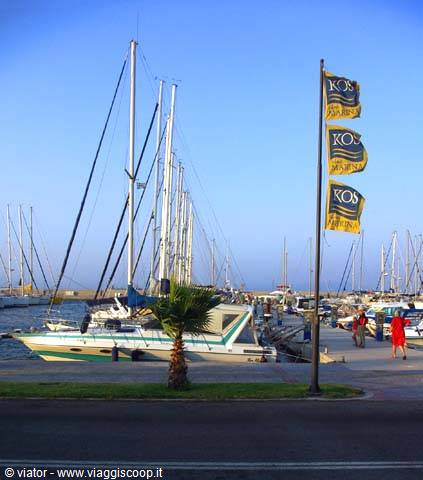
Kos is probably not among the most beautiful Greek islands, but it deserves to be known; discovered day by day it revealed unexpected surprises to me at first glance; moreover it is placed in a central position with respect to many other islands and a stone's throw from the Turkish coast. To enjoy the island you need a means of transport, to cover the distances arising from its size and elongated shape, but there are countless services that rent out vehicles of all kinds, from prestigious cars to mini-scooters. Numerous lines of boats, catamarans and hydrofoils connect Kos with Turkey and the islands. The seas around it lend themselves to pleasure boating, sometimes made hard by the strong winds that often blow there.
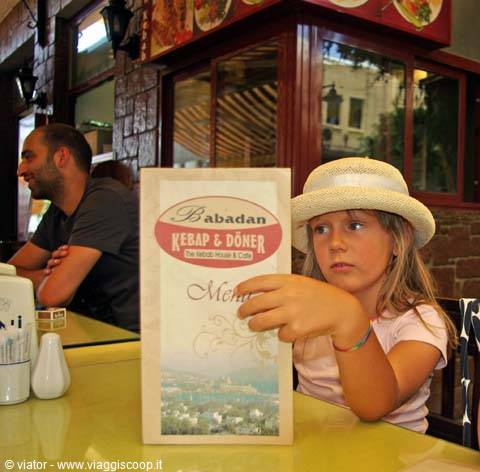
Anyone who knew Greece, as I did, in years gone by will have many reasons for surprise, some positive, others less so: much has become homogenised to the international style, in customs and products, you find a bit of everything as at home. When ordering a coffee you have to specify whether you want it Greek; on offer are pasta with ragu and pizza, but if you want to eat Greek it is still more than possible. The prices, above all, are no longer so extraordinarily convenient, but if you order salsiki, koriatiki salata, keftedes, kalamaria, moussaka and a glass of retsina, you get by on more or less ten euro, though you will pay two euro for a coffee!.
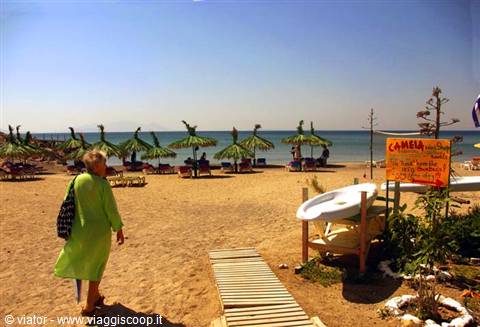
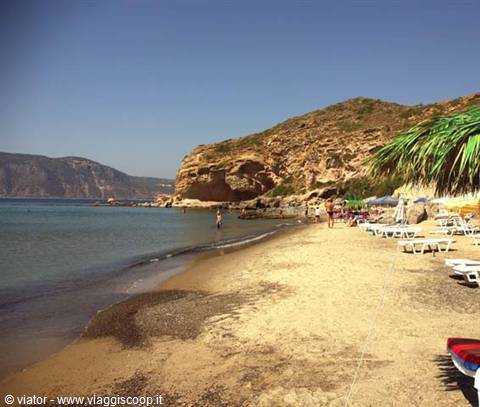
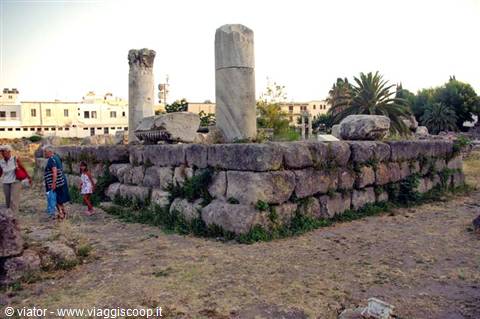
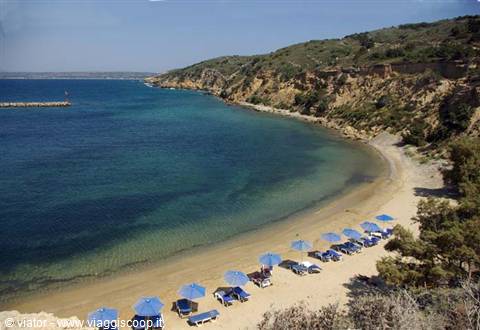
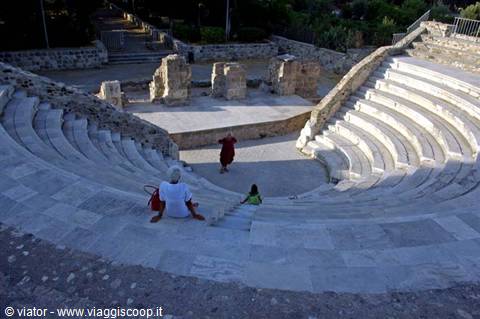
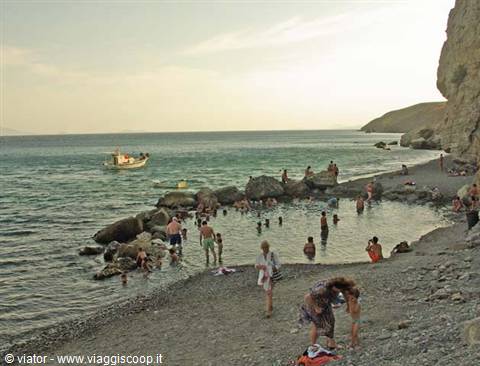
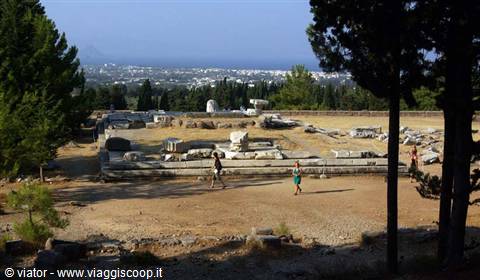
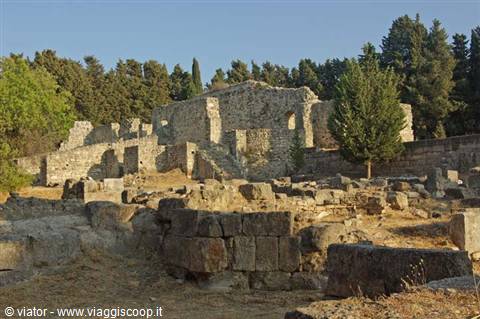
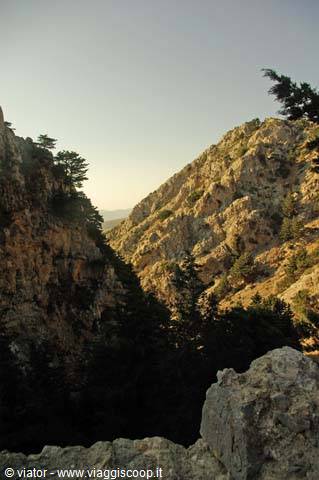
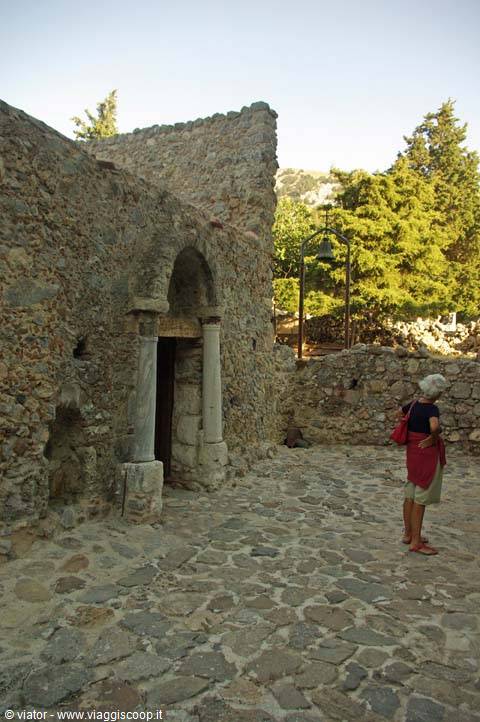
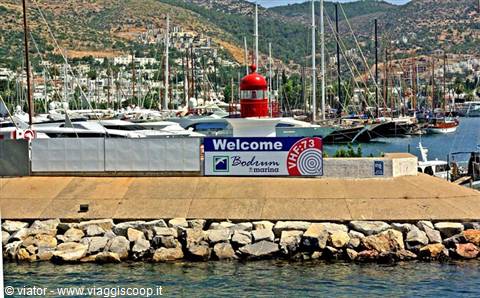
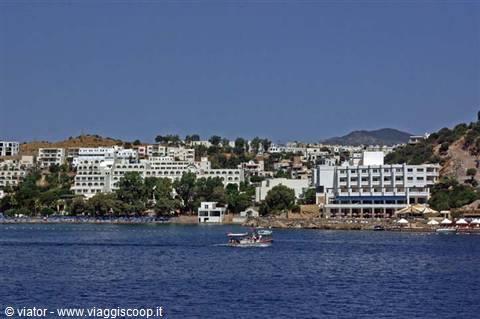
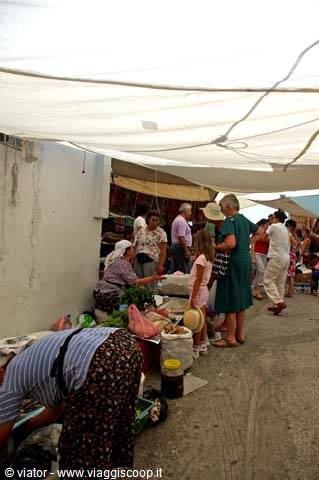
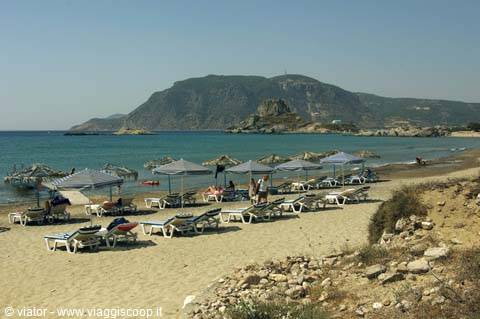
For two weeks, our host drives us all over the island: busy beaches, with umbrellas and sunbeds, wild shores where we are almost the only ones, rocky coasts reachable only with walks of a few kilometres, stony shores that our granddaughter's preference forces on us, inland areas of a mountainous character, evocative archaeological sites. We do not miss a visit to Bodrum, reachable in less than an hour, in which we no longer recognise the town we visited years ago, subject to an abnormal building boom, full of shops passing off branded products at low prices, clearly fake, but which often have nothing to envy in quality compared with the "real" ones, so much so as to suggest they come from the same workshops. The bazaar only minimally offers those products typical of local agricultural production, such as spices, dried fruit and so on.
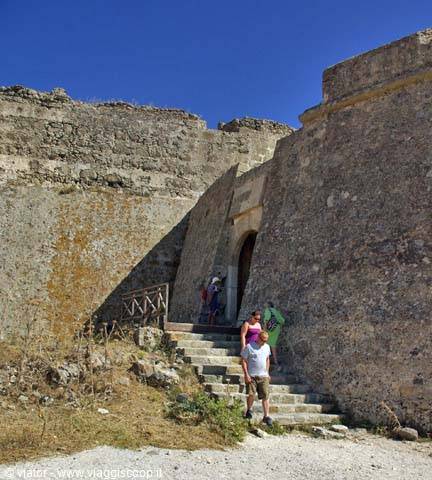
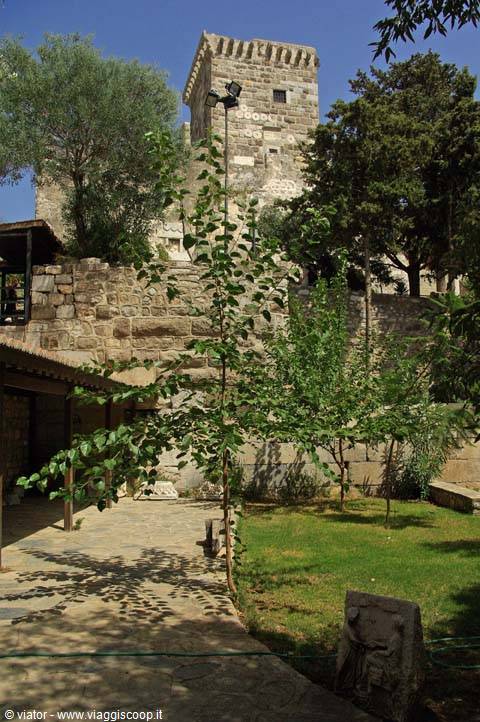
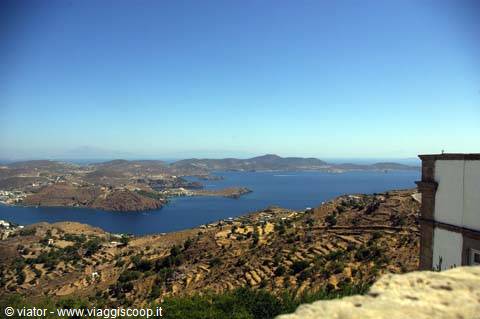
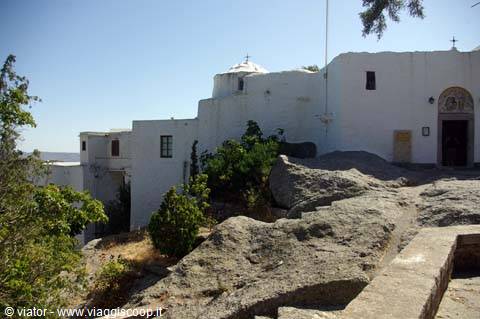
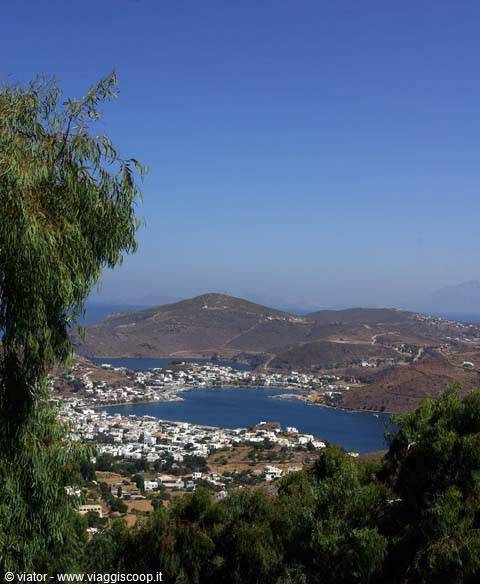
Even the craft products now seem to succumb, often, to the bad taste of cheap trinkets. The castle remains an imposing testimony to a past that has known several dominations. Splendid Patmos, which we reach in about two hours by hydrofoil, survives the assault of invasive tourism. We let ourselves be surprised by the offer of the coach tour to visit the monasteries that arose in the footsteps of St John the Evangelist; we feel a little like the herd-like tourists we know in our own city: Rome, tourists who seem to us a touch ridiculous. As with all proper holidays, the hour to leave descends upon us, with an Olympic flight, this time without a stop in Athens, departure at seven, arrival among the herd-like tourists of Rome in little more than three hours!
The journey's photographs
50 photographs · click to open them full screen





















0 reader comments