The story
Yet another short but intense interlude thanks to Ryanair. The name of the city of Volos at first says nothing to me, but after searching a bit on the internet, I discover that it is only 150 km or so from the famous Orthodox monasteries known as Meteora, and I organise the trip. We rented a car to make the best use of our time and to be able to combine the visit with the chance to spend a bit of time at the sea in the area around Volos, but there are scheduled buses that take you from the airport to Volos and from there to Trikala and then to Kalambaka and Kastraki, the 2 villages that rise at the foot of the mighty rocks of Meteora.
So, if you want, you can avoid taking the car, but I strongly advise against it, because then, even though the 6 visitable monasteries are close to each other, they still spread over an area of about ten km of roads that are more or less mountain roads, so you need taxis or buses to go from one to another. We slept at the Hotel Meteoritis in Kastraki, booked through booking.com, very nice, with an excellent quality-price ratio and an excellent base for the monasteries. Kastraki is smaller than Kalambaka, but in my opinion prettier, the places to eat are far too many and it's hard to choose. There are 6 monasteries, they have different closing times, but basically at the weekend they are all open: if you contact, even by email, the Greek tourist office in Rome, they will give you all the times.
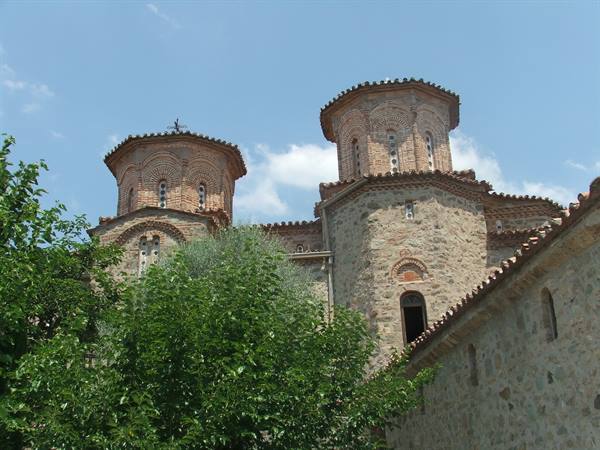
We visited them all in one day, but it must be said that it's not for everyone, because almost always you have to sweat to reach the summit and sometimes, instead of going up, you first have to go down and... vice versa on the way back. The guides recommend in particular at least a visit to the 2 largest monasteries: the Monastery of the Metamorphosis or Megalo Meteoro and Varlaam. It's true, especially the first is very large, so it also offers a small museum and other rooms to visit besides the "usual" 2 rooms that make up the Byzantine Church, but here it felt like being in a circus, because there were too many people and noise.
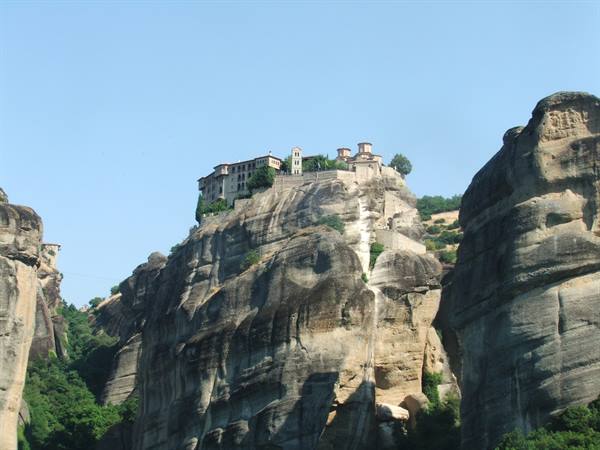
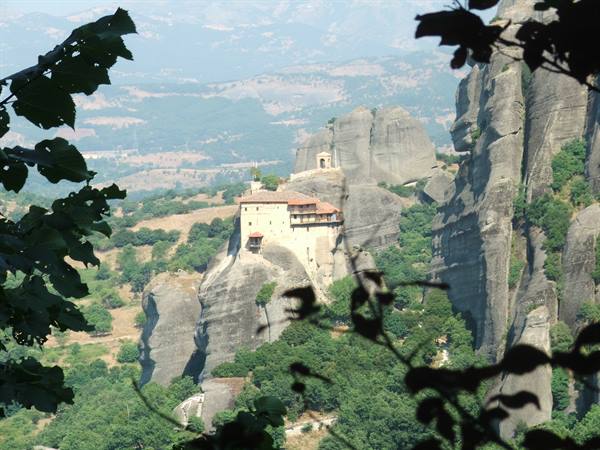
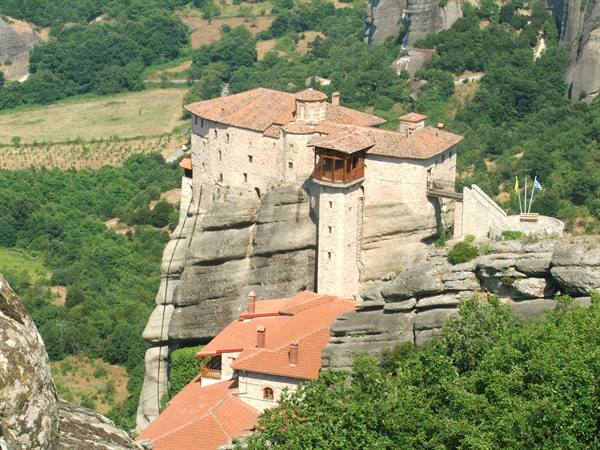
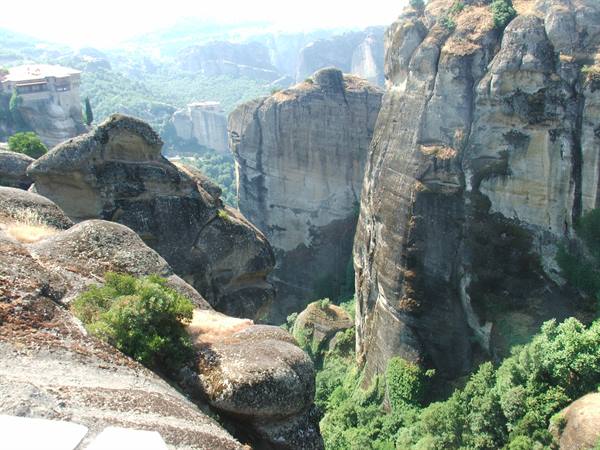
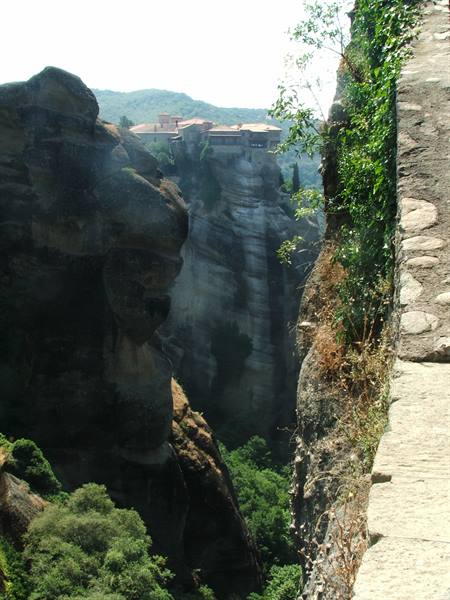
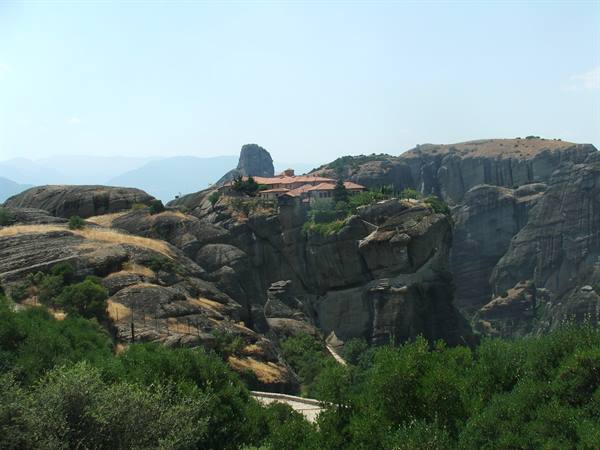
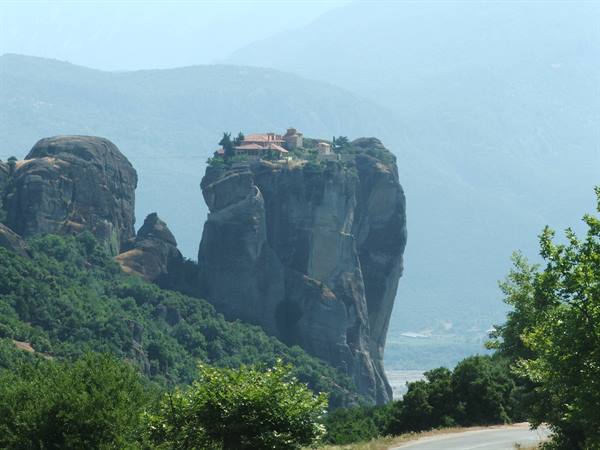
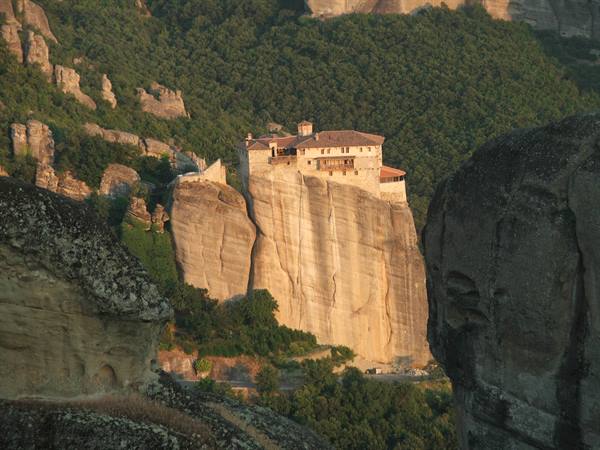
No, in our opinion it's worth visiting them all, each has something special, from each the perspective on the landscape is different and each is a conquest! But, if I really had to point to one more beautiful than the others, for us it was that of the Holy Trinity, Agia Triada, while the least beautiful, also because of its position and the ease of "conquering" it, was that of Saint Stephen. The other two, the smallest, are called Agios Nikolaos Anapafsàs and Roussanou. These Monasteries are something incredible for their position, perched on gigantic granite monoliths and for the way in which, over the centuries, they have been practically shaped to complete, almost naturally, these rocks. The panoramas are incredible and always different, at times it seemed we were observing a painted film set, so grandiose and beautiful were they.
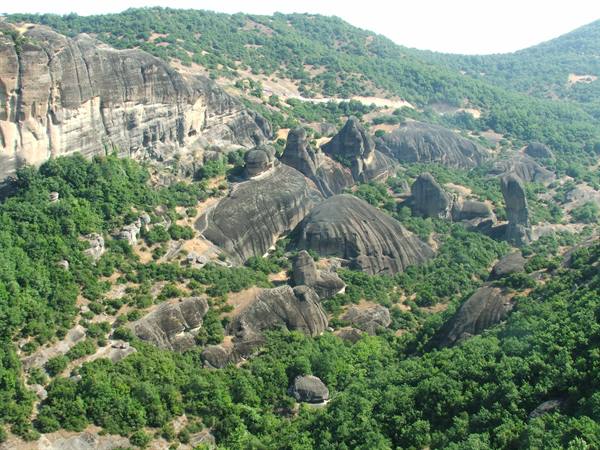
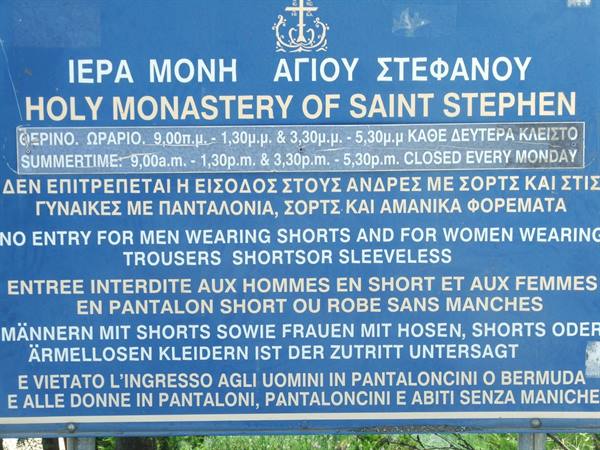
The rocks are also interspersed with and incorporated into a luxuriant and powerful vegetation, which allows you to tackle the climbs even in July, because, when it's there, it offers immediate refreshment compared with the Greek heat. The Byzantine chapels are another splendour, not so much, for me, for the wealth of objects inside them, candelabras, precious chairs and more, as because they are all COMPLETELY frescoed and, to study all the paintings, you would have to spend days there. Entry to the monasteries costs 2 euros per person and women must have a long skirt: for those who don't have one, there are baskets full of sarong-style skirts, in the most unlikely patterns, which you put on and then return on the way out.
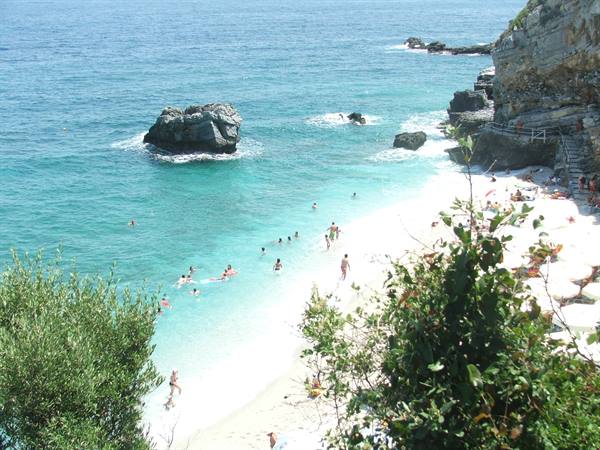
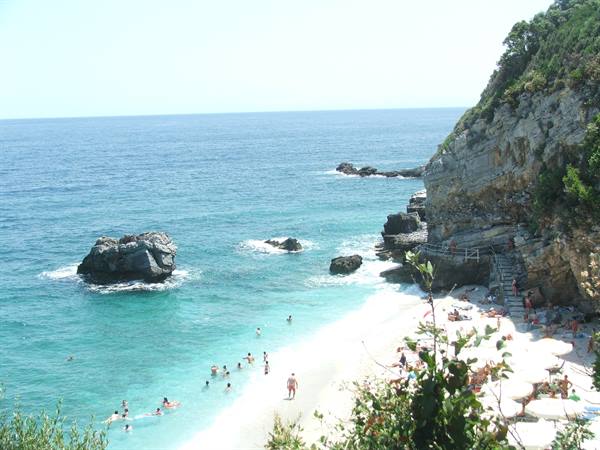
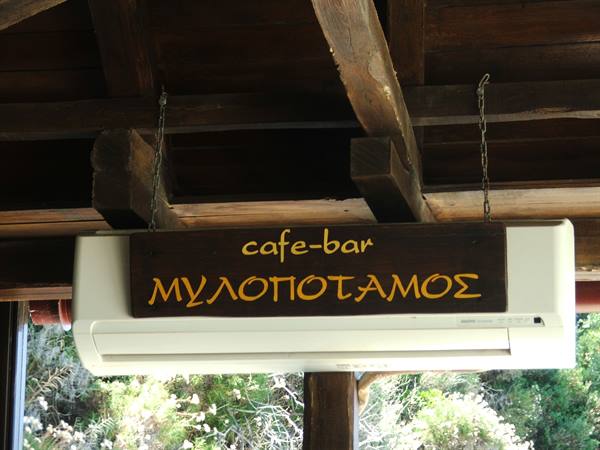
In short, these monasteries, a UNESCO heritage site and reachable via stairs built only from the 1920s (before, the monks were hoisted and lowered inside baskets and hoists), are incredible and very beautiful. Regarding the sea I just want to say that the beaches (a euphemism, they all have little pebbles) that we saw all have a very transparent sea, but the beautiful one, and which I recommend, if you have the time to cross the mountainous Pelion, is that of Milopotamos. So, if you go in summer, 3 days are enough to also get in a bit of bathing in the sea; otherwise, in other seasons, 2 days are even too many.
The journey's photographs
28 photographs · click to open them full screen










0 reader comments