In general A short itinerary that lets you visit one of the most characteristic areas of Europe; beautiful medieval towns, enchanting castles surrounded by unspoilt nature, excellent hotel accommodation at low prices. The centre of Munich is a jewel to be enjoyed on foot, because all the areas of interest are around its main square, Marienplatz. A car, on the other hand, is necessary to travel the Romantic Road, a succession of typical resorts, beautifully restored and preserved, with the neat Bavarian houses surrounded by walls, and with Rothenburg representing the peak of medieval art. The most spectacular area is instead in the extreme south of Bavaria, on the border with Austria, where near the pleasant resort of Fussen there are wonderful castles, the renowned Neuschwanstein, Hohenschwangau and Linderhof, which are the most important in the world.
Finally, the small historic centre of Innsbruck, capital of Tyrol, dominated by the surrounding mountains, which in summer however loses its Nordic charm represented above all by its Christmas markets.
Innsbruck
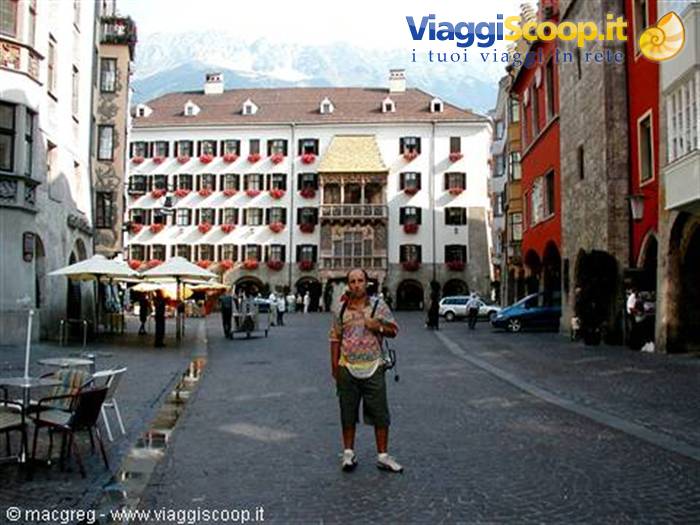
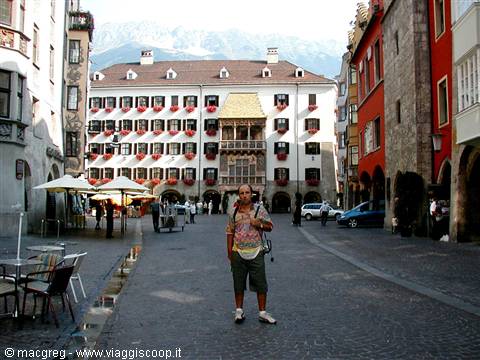
The centre of Innsbruck can be visited quickly: the most interesting street is Herzog-Friedrich-Strasse, a very particular street, completely paved with cobblestones: walking along it you can visit the most important monuments, such as the Altes Rathaus, the old town hall, and the Neuer Hof, on whose facade we find the very famous Golden Roof (Goldenes Dachl): it consists of a balcony decorated with coats of arms and dance scenes, and the protruding part is covered with 2657 fire-gilded copper tiles. All the streets in this area are very characteristic and pleasant to stroll along, also because they are closed to traffic. Nearby is the Hofburg, the Imperial Palace, but the visit is not of great interest and the entrance ticket is rather expensive compared to what there is to see (the Residenz in Munich is much better).
Fussen
Day 211 Aug 2003
2nd day- Munich
Two days are enough to visit the most important city in Bavaria: the beautiful historic centre contrasts with the modern outskirts, incorporated into the large pedestrian area, where in the centre is Marienplatz, the city's living room, where you can sip a beer at the many outdoor tables in front of the New Town Hall (Neues Rathaus) in Neo-Gothic style, waiting for the famous Carillon to play, one of the city's attractions (it can be seen 3 times a day, at 11, 12 and 17).
The churches of Munich are very beautiful, in Baroque style and all easily reachable from Marienplatz: the main ones are the Frauenkirche (the Cathedral with the dome clearly visible from afar), St Peter (a staircase leads to the top of the bell tower, from where you can see the whole city and a beautiful view over Marienplatz and the town hall), St Michael and the Theatinerkirche, one of the most imposing Baroque churches in Germany. One of the most characteristic areas is the famous Viktualienmarkt, a food market in business for almost 200 years; strolling among the neat stalls is a real pleasure for the eyes, all the products are perfectly arranged, and the whole area is full of places with tables where you can eat or drink a beer outdoors. The market is open from Monday to Saturday Another place absolutely not to be missed is the Residenz, the royal palace of Munich.
It is divided into two parts: the treasury room where you can admire the precious goods of the royal family, and the rooms of the palace which strike the visitor for their refinement (the Ahnengalerie, the gallery of ancestors, is very beautiful). Incredible how in mid-August the city is full of people, the shops all open as if it were a normal month, unlike our deserted cities. The best way to visit Munich is the underground: with a single ticket costing € 4.50 you can travel around all day. Accommodation at the Hotel Rivoli (4 stars), excellent position opposite the Harras metro stop (4 stops from Marienplatz), adequate rooms, excellent breakfast, price for a double room with buffet breakfast € 85.00 per day.
Innsbruck
Day 312 Aug 2003
3rd day - Romantische Strasse
Departure from Munich until reaching Augsburg, in the centre of the Romantic Road that connects the south of Bavaria (Fussen) to Wurzburg, interspersed with numerous places of great interest, mostly towns with a still intact medieval appearance. The initial stretch around Fussen also winds through a splendid natural setting, with mountains, lakes and woods, the ideal environment for its fairy-tale castles.
Augsburg. The largest town on this itinerary, the busiest and for this reason the least characteristic. The central square is the most beautiful and the most important, and the characteristic town hall faces onto it (unfortunately we find "work in progress" on the square that spoils the view). With a short walk you reach the Cathedral. A short distance from the centre you can visit the characteristic "Fuggerei", built for the poor of the city. It is the oldest example of social housing in the world, built when the city was one of the most important financial metropolises in Europe. If you have little time available, in my opinion this stop can definitely be skipped. Continuing north you encounter:
Donauwörth. A town on the Danube; the Reichstrasse with its bourgeois houses, one of the most beautiful streets in Southern Germany, forms the axis of the historic centre between the Town Hall and the Fuggerhaus.
Nordlingen. A medieval town, worth seeing is the town wall, which can be walked along its entire length, and the church of St George with its 90 m high bell tower. You can visit the town along the main streets, then return to the entrance walking along the characteristic walls.
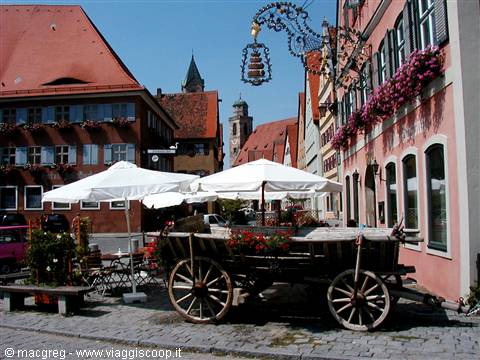
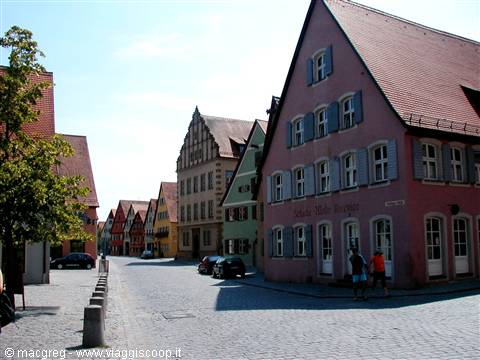
Dinkelsbuhl. A town with all the houses in perfect Bavarian style, with the Gothic cathedral of St George in the centre, the wine market (Weinmarkt), the castle, the picturesque painters' quarter (Malrwinkel), the old town hall and the mill.
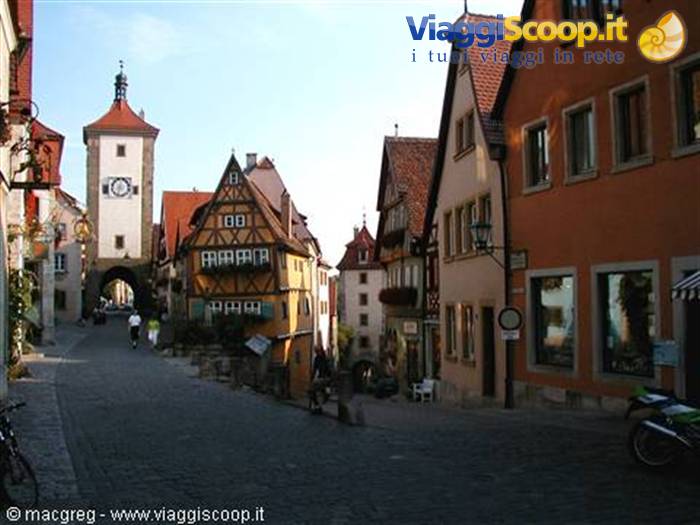
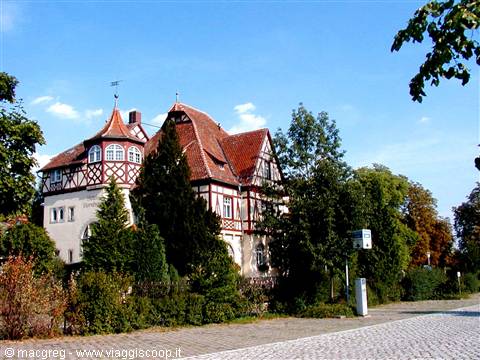
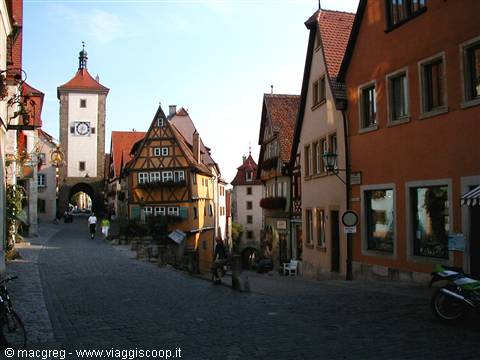
Rothenburg. It is certainly worth the whole trip to Bavaria. The town of Rothenburg is a jewel of medieval art: walls, ancient gates, churches and stately buildings. You can follow several itineraries to walk along all its characteristic little streets, which after a certain hour become pedestrian areas. Entirely surrounded by walls, it is accessible via characteristic entrance gates on the sides of the town; in the centre is the Marktplatz (market square), always the main place of the town's life also thanks to the presence in the square of the Rathaus (town hall). The main street of Rothenburg is the Herrngasse (street of the Lords) which connects the Marktplatz with the Burggarten (castle gardens).
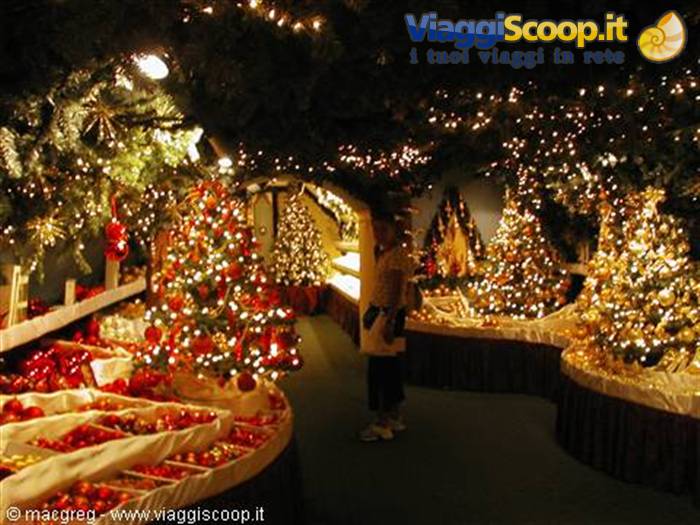
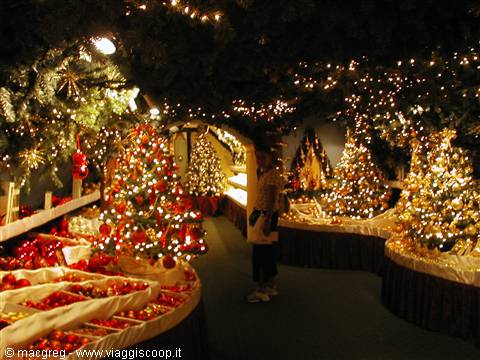
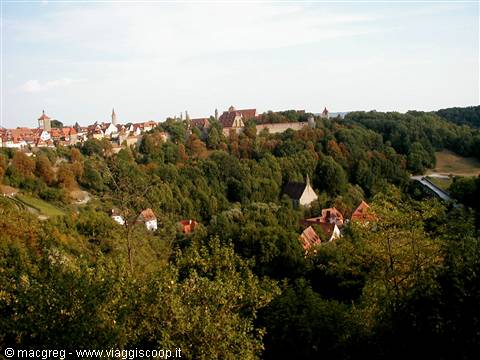
It is a typical street of a Bavarian village: elegant houses with facades made in different styles and colours, balconies full of brightly coloured flowers, many shops and typical restaurants with outdoor tables. From the castle gardens you can admire a beautiful view over the whole very green Tauber valley, and part of the town. Also worth mentioning is a singular shop where it seems like Christmas even in mid-August, specialising in the sale of Christmas decorations. A very strange effect to visit it when outside it is over 30 degrees. The town was completely restored after the serious damage suffered following the bombing during the Second World War
For the overnight stay in Rothenburg I wanted to mention a fairy-tale bed and breakfast: the Hornburg ( From the outside it looks like a mini castle, a lovely garden with outdoor tables, far from the confusion but right at the entrance to the town (less than 10 minutes on foot from the main square). Each room has its own characteristic (and its own price); all very large and very typical. At most I think there are about ten rooms, so never more than 20-25 people. Breakfast is a buffet and you find a bit of everything, and in its own small way, it is comparable to that of the big international hotels. In addition, served at the table, at 7.30 in the morning, a nice tray of cold cuts and cheeses, with the unmissable speck.For a double room in mid-August you spend 74 euros, overnight stay and breakfast, 2 people; excellent value for money. The owners are very helpful.
linderhof
Day 413 Aug 2003
4th day - Fussen and Ludwig's castles
A comfortable motorway takes you in less than two hours from Rothenburg to Fussen, a resort known mainly for its proximity to the two most important Bavarian castles, Hohenschwangau and Neuschwanstein. An excellent starting point for visiting them thanks to the ample availability of accommodation, besides being a typical town with numerous bars and restaurants. First of all a consideration: the castles are very famous so you can expect a lot of crowding, especially to get the tickets, but for a small surcharge you can book them directly online indicating your preferred entry time ( The cost to visit both castles is € 18.00 per person including taxes. The first castle you visit, Hohenschwangau, is absolutely not comparable to the more famous Neuschwanstein, so anyone with little time would do well to visit only the second.
Thanks to its castles, you thus set off to discover this curious historical figure, King Ludwig, sensitive and a dreamer, one of the most fascinating, controversial and mysterious historical figures of modern history.
Hohenschwangau From the ticket office you reach it with a short climb of about 10 minutes. It was not built by Ludwig but it greatly influenced his life. Built in the 12th century, it stands out for the beautiful Hall of Heroes, the largest room in the castle, as well as for the various rooms including the Queen's chamber, the Hall of the Swan Knight and the private Chapel annexed to the Hohenstaufen chamber.
Neuschwanstein We then move on to the visit of the most incredible and most imitated castle in the world (even by Walt Disney), the "fairy-tale castle". The location is already spectacular, perched on a cliff it dominates the whole valley with the splendid lakes in which the mountains surrounding it are reflected. The climb can be done on foot (about half an hour) or with horse-drawn carriages. If the exterior is beautiful, the interiors leave visitors speechless. The throne room, the dining room, the bedroom made in Gothic style is adorned with wonderful wood carvings on which 14 carvers worked for four years. From the window you admire an indescribable panorama, a gorge with a waterfall 45 metres high.
Through a fake grotto of stalactites and stalagmites and passing in front of the winter garden, you enter the royal living room, until you reach the most important room, the Hall of the Singers, once lit by 600 candles. Everywhere splendid paintings, candelabras and objects of great value. At the end of the visit, with a walk you can reach a waterfall, from where you can admire a splendid view of the castle.
The overnight stay in Fussen is the most expensive in this part of Germany: the Hotel Kurcafè, an excellent 4-star hotel well positioned close to the pedestrian area, the usual abundant breakfast and a nice room for 99 euros a night.
Rothenburg, Christmas shop in mid-august....
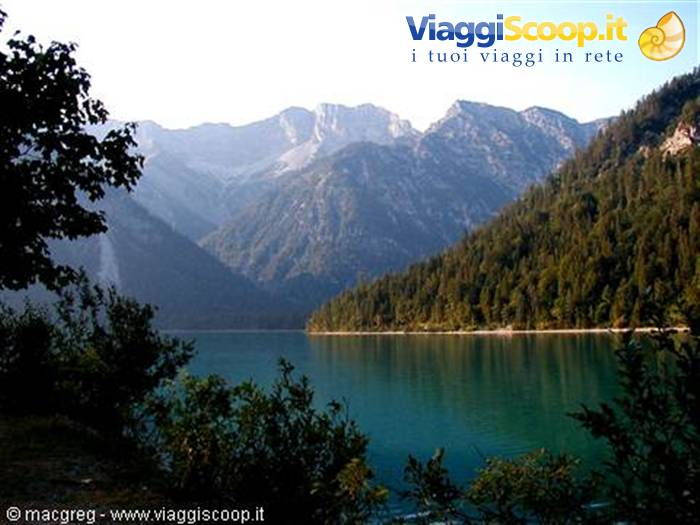
Day 514 Aug 2003
5th day - Lindherof
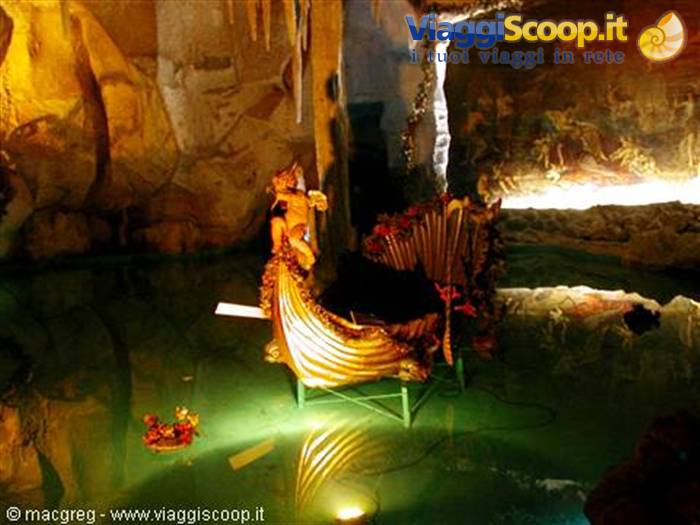
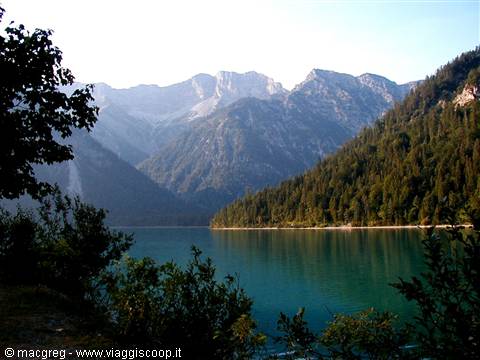
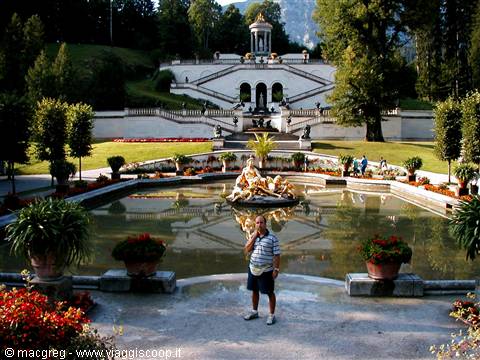
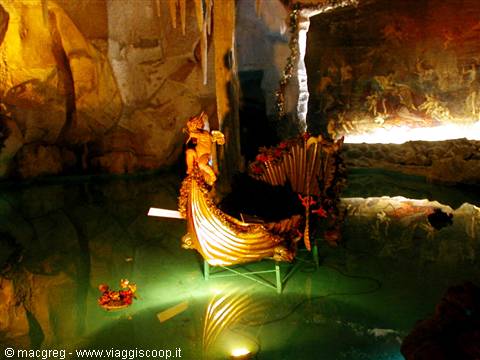
The last castle to visit is Lindherof, reachable from Fussen via a beautiful 50 km panoramic road that runs alongside a lake in the middle of the mountains. It is advisable to visit it early in the morning because you cannot book and lines are easy to find. It is a small jewel built in Baroque style with a fabulous garden full of statues, oriental pavilions and fountains, an invitation to a lovely walk on the slopes of a mountain. The interiors are always very sumptuous, starting from the Hall of Audiences, to the usual grandiose Bedroom with a view of the fountains in the garden, the dining room and the evocative Hall of Mirrors. In the park you can finally reach the Venus Grotto, a totally artificial grotto made of stalactites, where Ludwig loved to spend entire hours dreaming and reflecting, lulled by the water inside a small shell-shaped boat that can still be admired today.





0 reader comments