The story
Normandy has always been a land of fighters: from here William the Conqueror invaded England, from here set off the men who colonised part of North America, here the Allies landed in 1944 to begin the liberation of Europe. Napoleon must have been right when he said that an army marches on its stomach, since it is precisely among these lands stretching towards the Atlantic that you can taste the tastiest cheeses of France, consume the best fish and meat. Vigorous history, excellent cuisine, great open spaces: the region that runs from the Cotentin peninsula to Le Treport, past Dieppe, is perfect for those who love strong flavours and sensations.
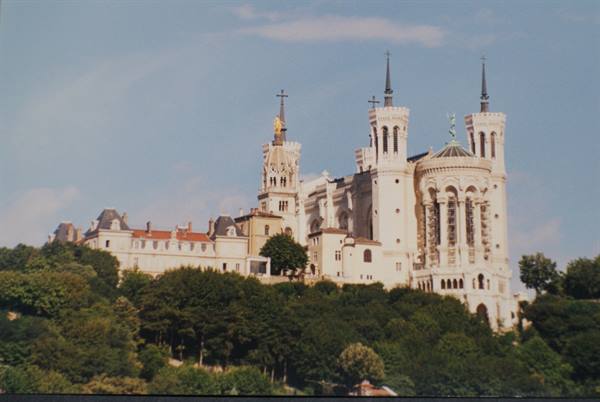
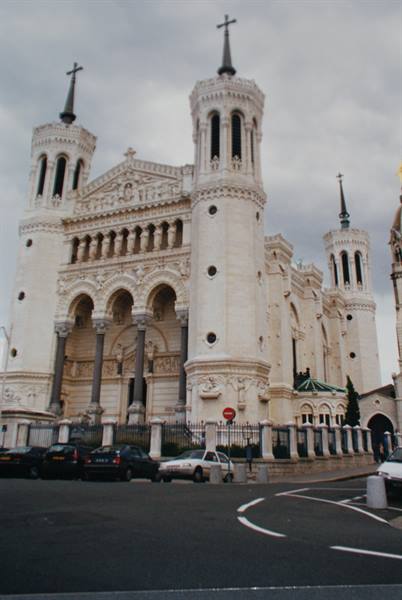
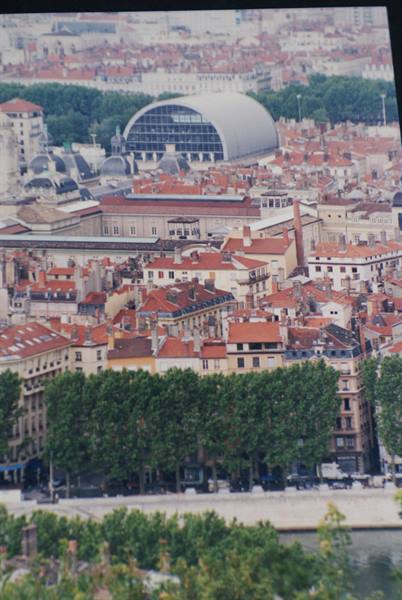
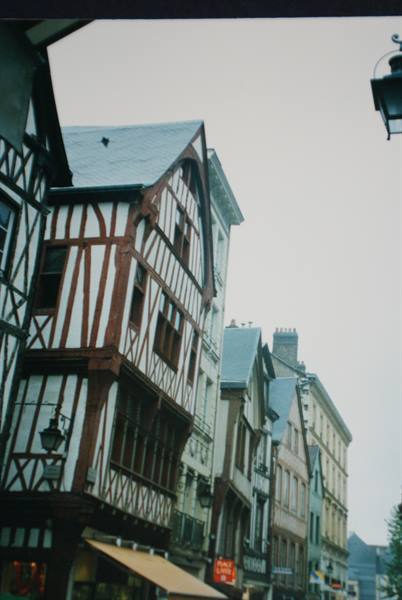
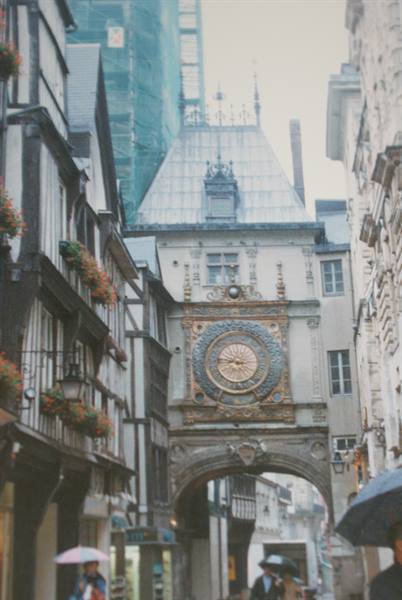
LIONE the city consists of three distinct sections: the ancienne ville, founded by the Romans and developed in the Middle Ages on the right bank of the Saône; the ville centrale, which arose between the 16th and 19th centuries on the confluence peninsula formed by the Rhône and the Saône; the nouvelle ville on the left bank of the Rhône, made up of the university and the more modern residential districts. ROUEN built where the Seine could be crossed by a bridge, Rouen prospered with maritime trade and industries, becoming a rich and cultured city. Despite the damage inflicted by the last war, the city still boasts a series of historical attractions. LE HAVRE strategically positioned at the estuary of the Seine, it was created by Francis I in 1957.
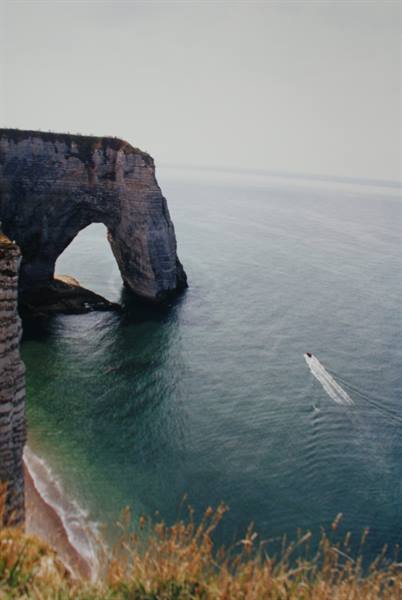
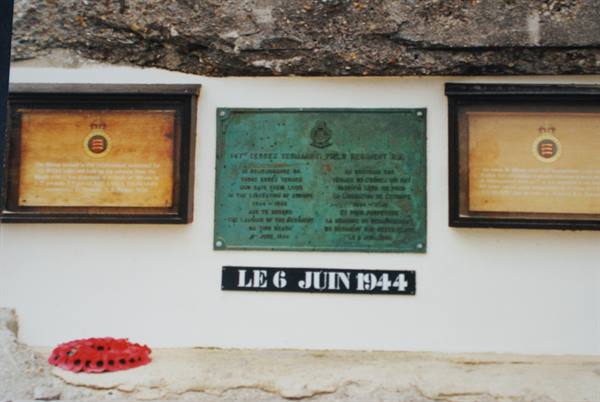
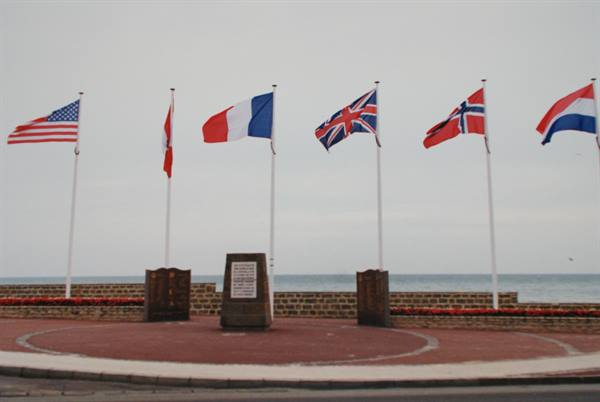
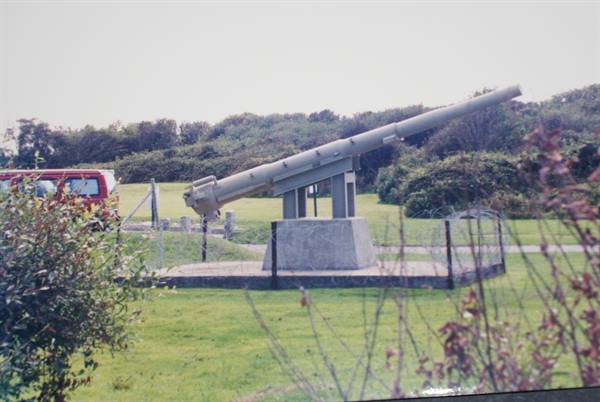
The Allied bombing of the Second World War practically razed it to the ground, but, despite the presence of refineries and industries, it still retains a certain charm. COTE D'ALBATRE the alabaster coast takes its name from the milk-coloured waters and the whitish rocks that characterise the Norman coast in the stretch between Le Havre and Le Treport. It is known for the Falaise d'Aval to the west of Etretat, a natural erosion in the shape of an arch. THE D-DAY LANDING in the early hours of 6 June 1944 the Allied forces began the landing on the coasts of Normandy, the first step of the invasion of German-occupied France, known as Operation Overlord.
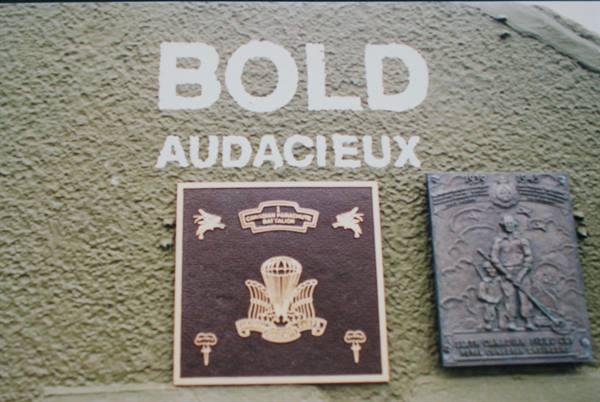
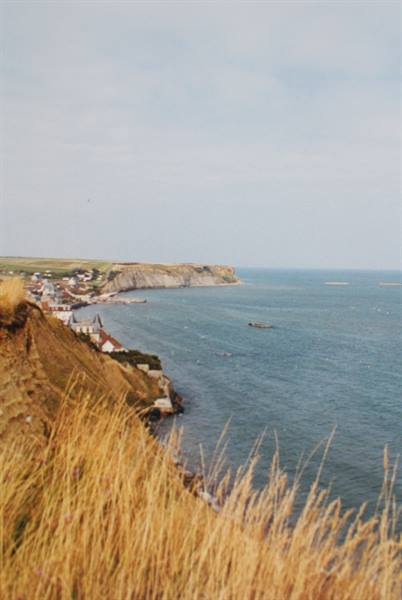
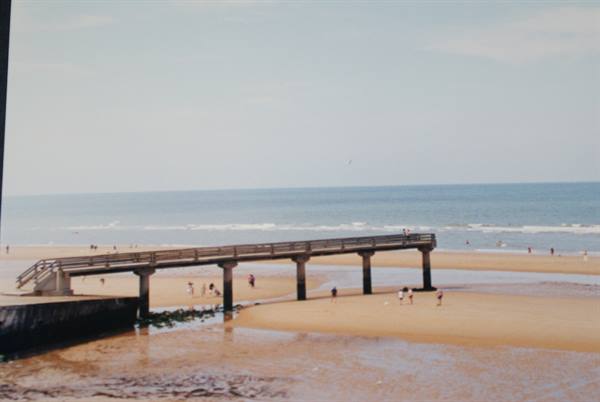
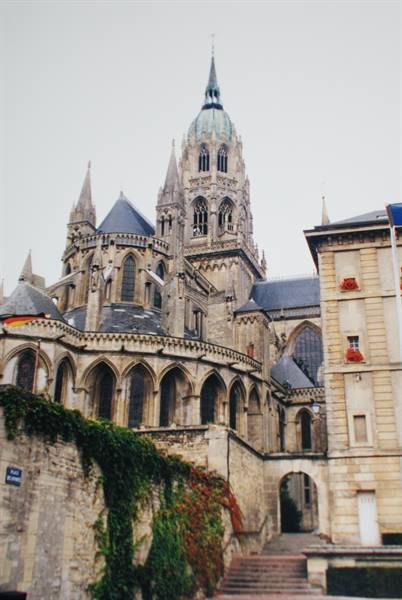
Paratroopers were dropped on Ste Mère Eglise and on Pegasus Bridge, while landing troops came ashore on various beaches with code names: the Americans on Omaha and Utah to the west, while Canadians and British, with a commando of Free France, on Gold, Juno and Sword; after 50 years these beaches are still known by their code names. Pegasus Bridge, where the first French house was liberated, is the starting point for excursions to various places that recall these events. To the west, at Arromanches les Bains, you can still see the remains of the artificial port brought from Great Britain. American, British and German war cemeteries are at La Cambe, Ranville and St. Laurent sur Mer. BAYEUX was the first city to be liberated by the Allied troops in 1944, emerging unscathed from the damage of war.
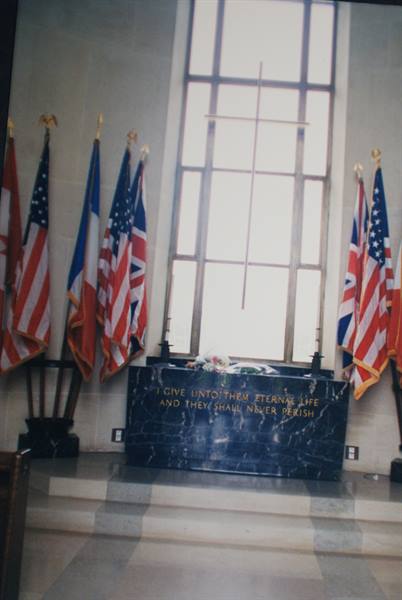
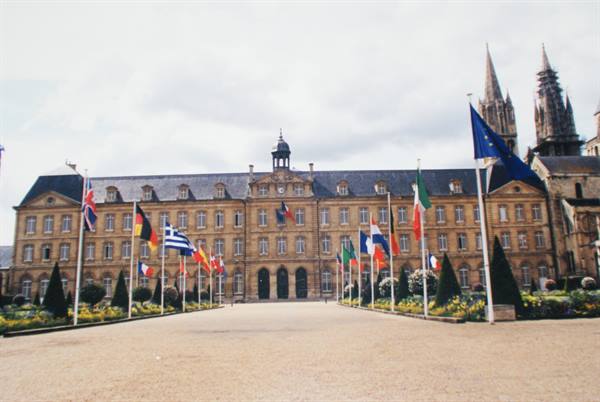
In this little town so close to the places where it took place, there could not fail to be a museum dedicated to the events of the great battle which, between 6 June and 22 August 1944, decided the fate of the Second World War. AMERICAN BATTLE MONUMENTS COMMISSION the mission of the American Battle Monuments Commission is to preserve the memory of the sacrifices and heroism of the American Armed Forces in the places where they fought. This cemetery, extending over 70 hectares, is one of the 14 American cemeteries of WWII existing outside the USA. CAEN in the mid-11th century Caen became the favourite residence of William the Conqueror and his wife Queen Matilda. Despite the destruction of the last war, many of the buildings of their era survived.
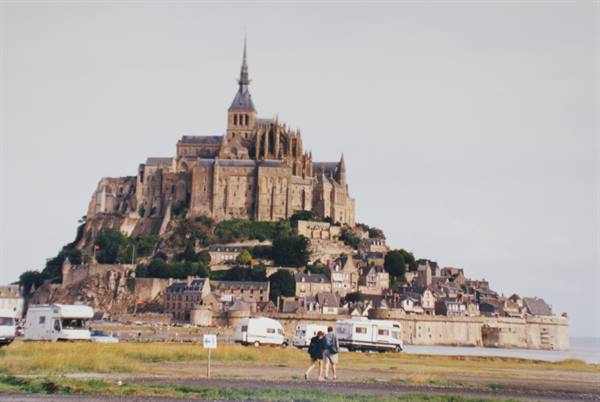
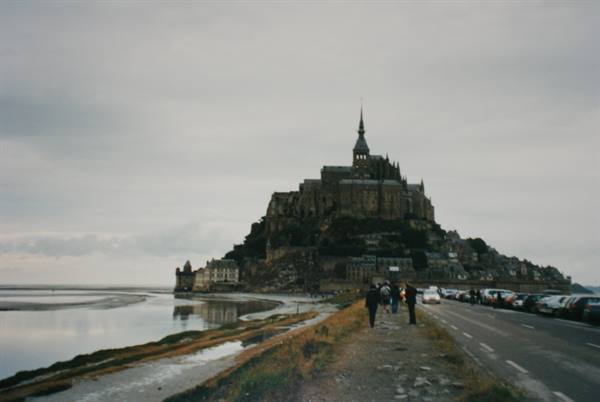
The most recent construction in Caen is a unique museum: the Memorial, a project space for the affirmation of peace, freedom and human rights in the world. THE GREAT BAY OF MONT ST. MICHEL watched over, as if by a sentinel, by the stronghold of Granville, with a past of fishermen and corsairs, and endless tides. Right opposite the Chausey Islands, almost fifty specks of mainland, the coast welcomes us with the festive face of a beautiful seaside resort, and treats us to a few curiosities, such as the house of Christian Dior, but the most beautiful gift is the extraordinary Abbey-Fortress of Mont Saint Michel, "Wonder of the West". A complex of buildings that is an architectural jewel, in a spectacular position on top of a rock in the bay. Tradition holds that it was founded following three dreams that Saint Aubert, bishop of Avranches, had in 708. Mont St.
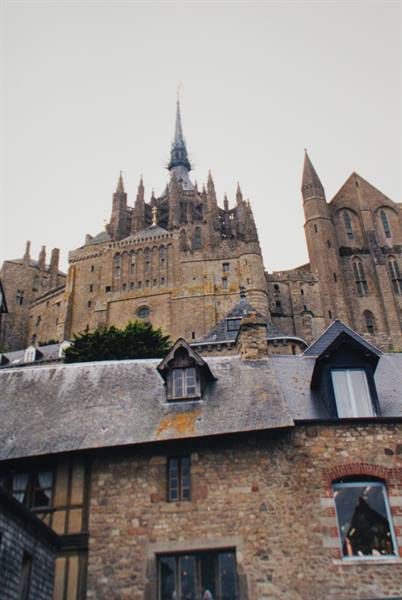
Michel was, from its origins, a great centre of pilgrimage. Before the year one thousand the pre-Romanesque church was erected. In the 11th century, the Romanesque abbey church was built on a set of crypts, at the level of the tip of the cliff, and the first conventual buildings were placed alongside its north-facing wall. In the 12th century, the Romanesque conventual buildings were enlarged on the west and south sides. In the 13th century, a grant from the King of France Philip Augustus, following the conquest of Normandy, allowed the Gothic ensemble of the "Wonder" to be begun: two three-storey buildings, crowned by the cloister and the refectory. In the 14th century, the Hundred Years' War made it necessary to protect the abbey by means of a set of military constructions that allowed it to withstand a 30-year siege.
In the 15th century, the flamboyant Gothic choir replaced the Romanesque choir in the abbey church. Finally, until the 18th century, construction of the abbey lodgings that form the south facade of the abbey continued. Turned into a prison at the Revolution during the Second Empire, the abbey from 1874 was entrusted to the service of the Historic Monuments.
The journey's photographs
21 photographs · click to open them full screen


0 reader comments