The small principality of Andorra lies in the heart of the Pyrenees between France and Spain. Its territory is made up of splendid mountains and green valleys that come alive with tourists in every season. A trekking paradise in summer and kilometres and kilometres of slopes and lifts for the winter tourists who flock by the thousands to this small principality.
We visit this small state on the occasion of a journey of discovery of the Pyrenees mountain range that embraces three nations: France, Spain and Andorra.
From a landscape point of view, Andorra's territory would be a little pearl. Unfortunately the traffic is very chaotic and often jammed; construction, although respectful of the landscape and architectural aspects, still dominates, giving the impression that in the name of tourism a lot has been built, perhaps too much; tourism, together with shopping (duty free) and banking activities, are the country's main resources. If the traffic is chaotic in summer, we don't dare imagine what it can be like when myriads of winter tourists crowd the snow-covered roads of this small country, storming not only the ski slopes but these tiny villages.
It's said that it was Charlemagne who granted the Andorran people autonomy in exchange for an alliance against the Moors. Given its isolated position nestled among the mountains, its history has always been tied to that of the neighbouring countries and their conquests. In 1814, through Napoleon, the independent Republic of Andorra was established, governed by an elected council. Given its position and its 'smallness', Andorra took no part in the world conflicts that raged in Europe, except marginally, remaining tied to the two bordering countries while nevertheless becoming a real strategic point as far as smuggling was concerned. Of its roughly 84,500 inhabitants, only 39% have citizenship of the principality. Spaniards and Portuguese represent the largest groups of foreigners living in the principality.
The official language is Catalan, although Spanish and French are commonly spoken.. thank goodness.. Catalan isn't exactly that easy! The principality is, so to speak, governed by two co-princes: the bishop of the Spanish diocese of Urgell and the President of the French Republic. This makes Andorra, together with the Republic of San Marino, the only country to have two heads of state! In Andorra's case, however, these have no decision-making powers; they delegate these powers to the Prime Minister who, in fact, together with the Government, is the one who governs the small principality. Although it's not a member of the European Union, the currency used is the Euro and it's a good place to shop. Remember also to fill up your car before leaving the country.
If you collect coins, don't waste time looking for euros minted in Andorra, because they don't exist; they use those minted by the two neighbouring countries: France and Spain. Before the Euro they in fact used these two countries' currency.
Day 127 Jul 2009
On the road that leads from France to Andorra there are major roadworks that significantly slow our pace. Once past the border with France at Pas de la Casa (2,075 m), more a formality than anything else, we continue toward the col or port d'Envalira (2,408 m). As an alternative to the hairpin bends that lead to the pass, you can choose to take a tunnel that avoids the climb to the col. Certainly the beautiful panoramas you see climbing up and from the pass itself cannot be enjoyed by going through the tunnel. For the record, the port d'Envalira is the highest pass in the entire Pyrenees.
We choose a quiet campsite in Canillo, and after pitching the tent we go to spend the rest of the day in the small capital of the principality: Andorra La Vella. The traffic on the roads of Andorra and the capital is rather chaotic. La Vella means the old, and besides being the capital it is also the only city in the principality; about 23,000 people live here. The city's economy is based exclusively on trade linked to duty free, as evidenced by the endless rows of electronics, clothing, and perfume shops lining the main streets of the city. Some corners of the city, with their stone houses, are characteristic. Apart from that, the city is not particularly interesting.
Ransol
Day 228 Jul 2009
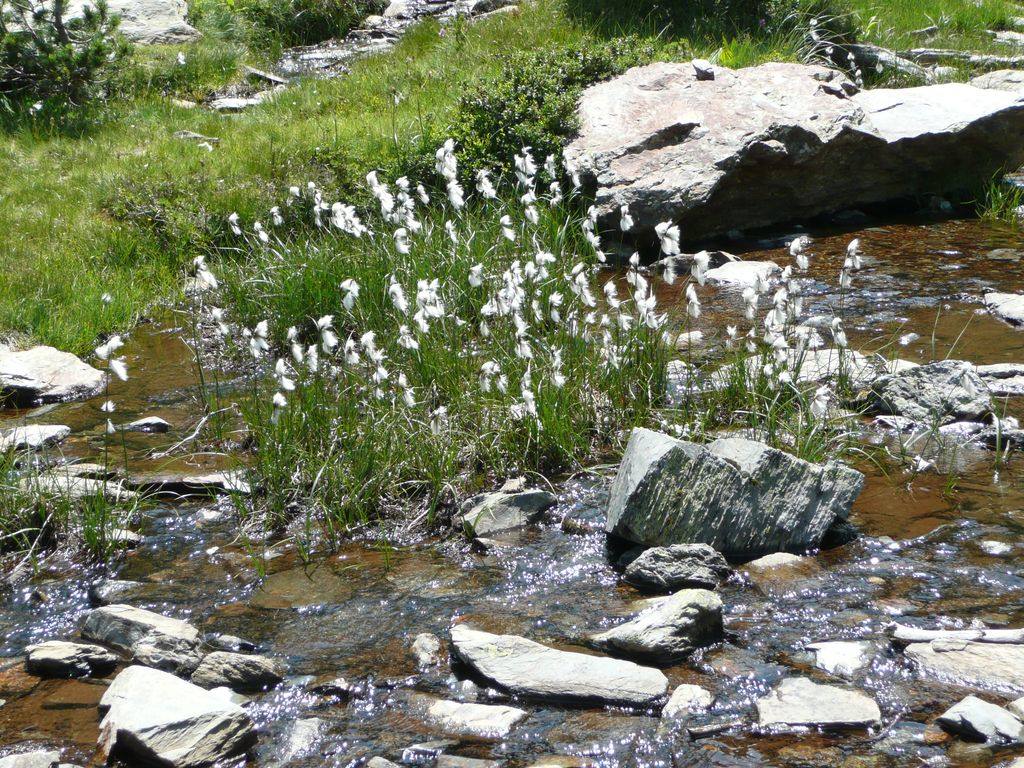
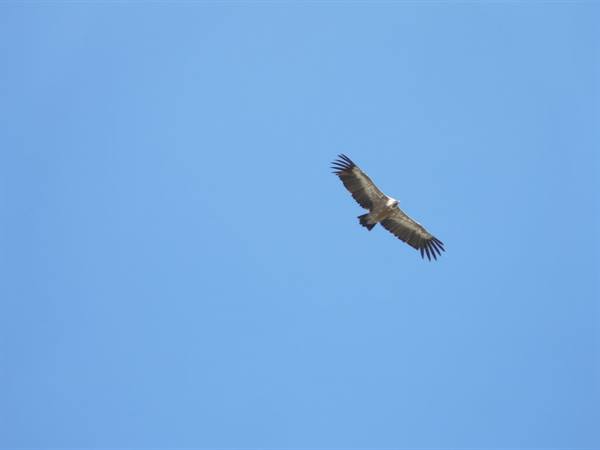
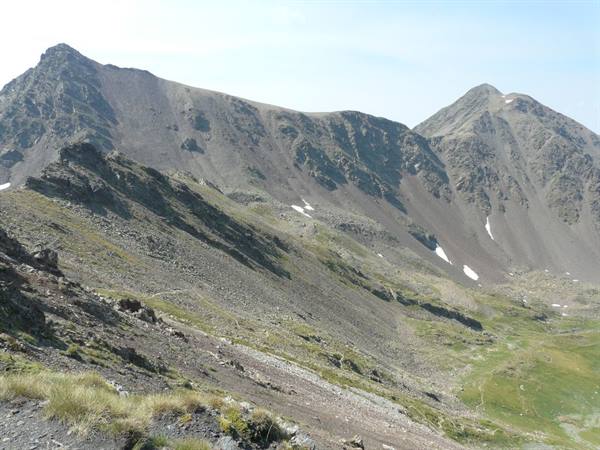
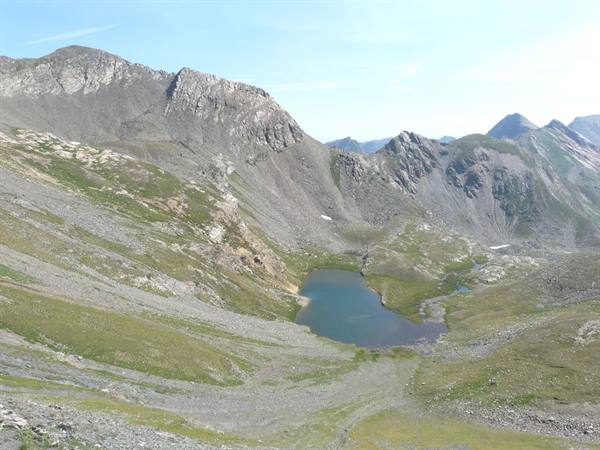
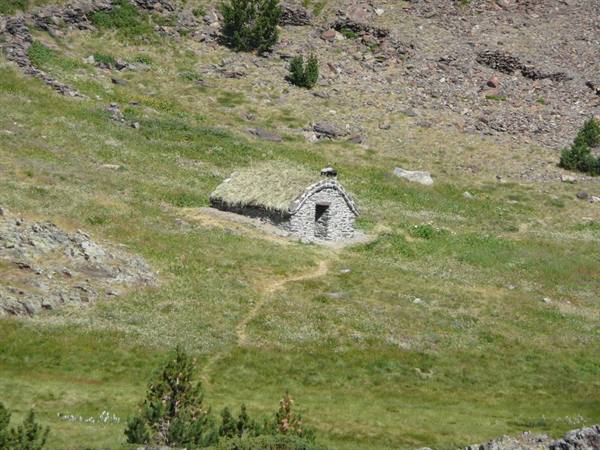
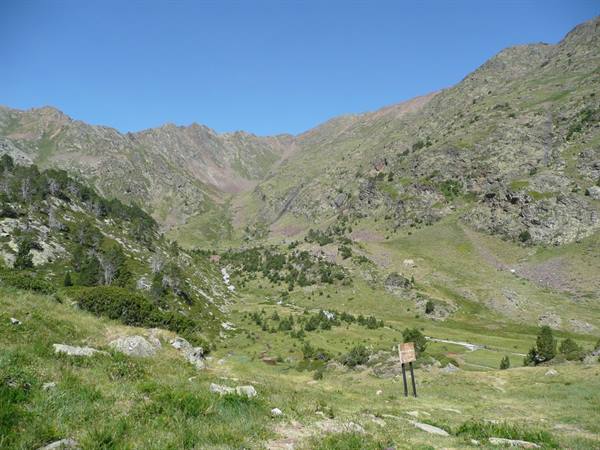
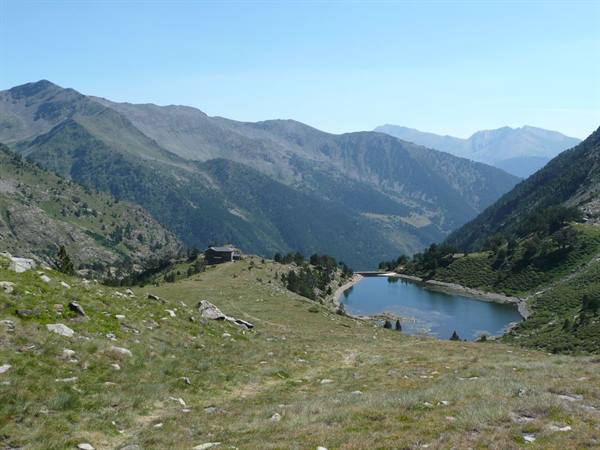
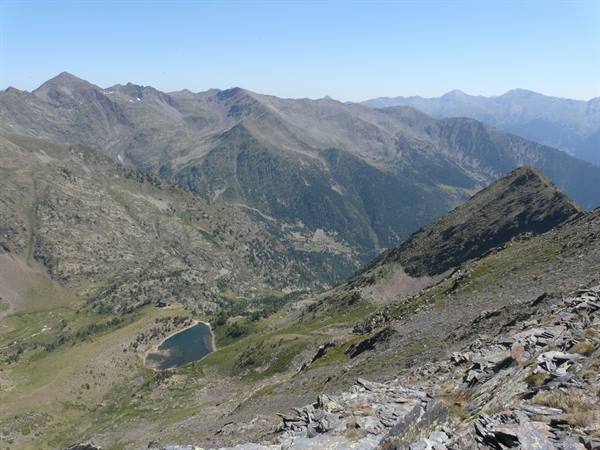
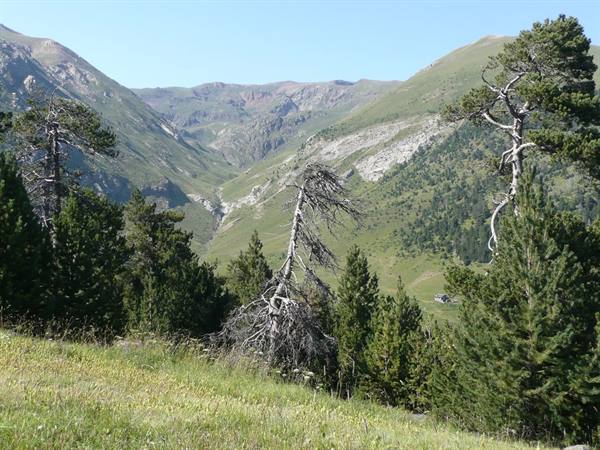
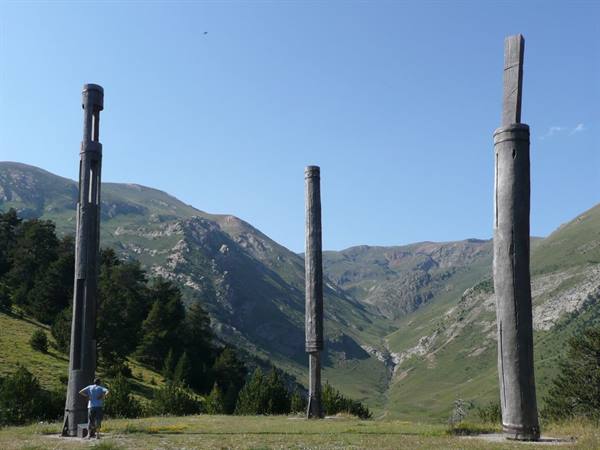
From Canillo we head toward Ransol and then go up along the Coma de Ransol valley. We leave the car near the parking lot at the end of the road. A beautiful stone bridge crosses the river, where there is a large area equipped for picnics and barbecues. The trail that will take us to the top of Pic de La Serrera starts right here. It's a beautiful trail; you cross lakes and beautiful alpine meadows. The panoramas are very beautiful and we get to enjoy this little corner of paradise completely on our own. We don't meet anyone, except at the col. Shortly before the col, there are stone huts with rounded vaults, very well preserved. As we climb to the Collada dels Meners (2,713 m) we are accompanied by the flight of some griffon vultures. From the col you continue to the summit of Pic de La Serrera (2,913 m), marked with a wooden stake. The return is made along the same trail as the ascent.
The day was very beautiful; the trail we chose was pleasant to walk and the places we saw rewarded the effort of getting all the way to the top of the mountain.
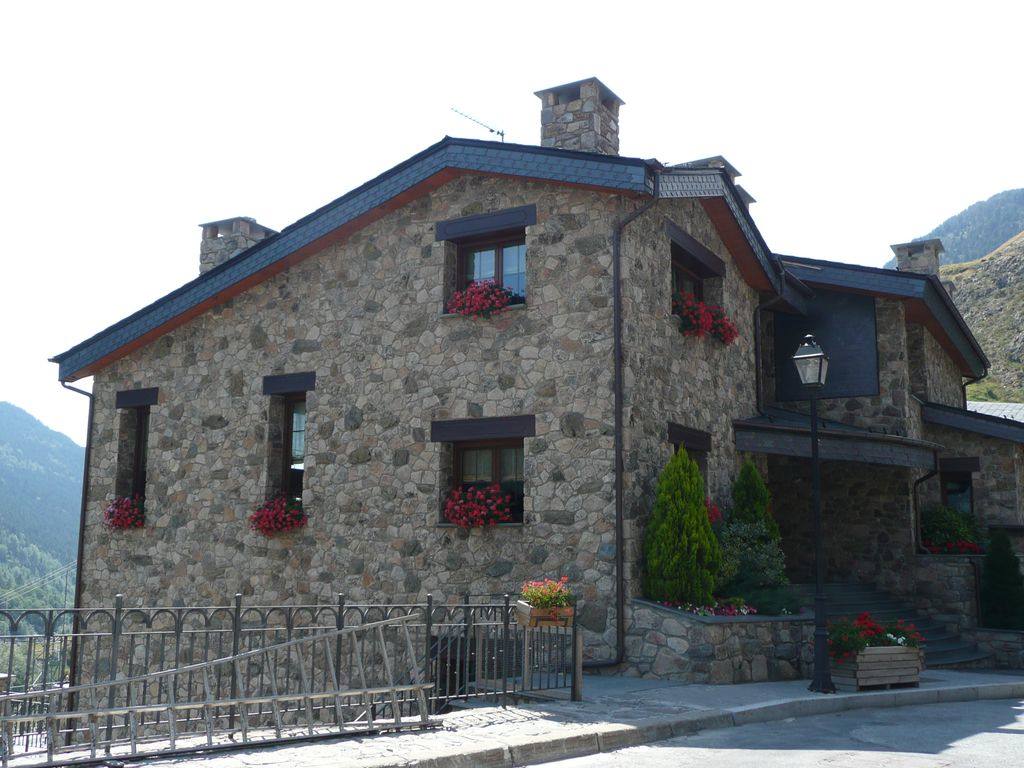
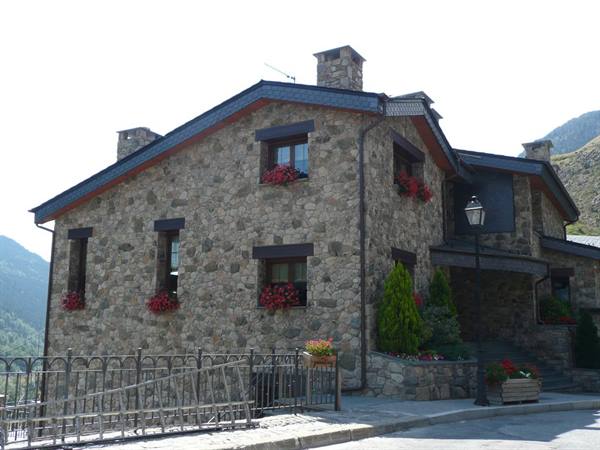
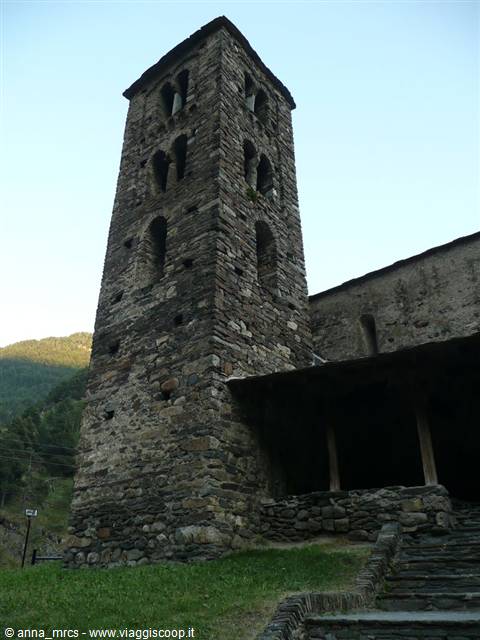
On the way back by car we stop to photograph some houses in Ransol. These houses, all made of stone, are beautiful and create harmony in the landscape where they are located.
Along the Coma Pedrosa path
Day 329 Jul 2009
The summit of Coma Pedrosa (2,942 m) is the highest mountain in the entire principality. Our destination today, however, is the Coma Pedrosa Refuge, located opposite the summit of Coma Pedrosa. This is also the only staffed and managed refuge in the entire principality. We leave the car near Arinsal (after the tunnel) and from here we continue on foot, first on a forest track and then on a particularly sunny trail. As soon as we park the car we realize that the solitude that accompanied us yesterday will not accompany us today. The cars in the parking lot, the people getting ready and those who have already set off are truly many... well... no big deal... we'll be in good company.
The day is very hot and the trail, very sunny, makes us feel and suffer the heat particularly.
From the refuge we continue a bit further in search of a quiet spot to have lunch and enjoy the panorama around us and the view of Coma Pedrosa.
The return is made along the same trail as the ascent.
On the way back by car we take the road that connects Ordino to Canillo, which crosses splendid alpine panoramas and where traffic is scarce. The highest point of the road is the Coll d'Ordino (1,980 m), from which many hiking trails also depart.
In Ordino you can visit the Museu d'Areny i Plandolit, a splendid richly furnished palace belonging to one of the most illustrious families of the principality, namely the Areny Plandolits (what a surname!).
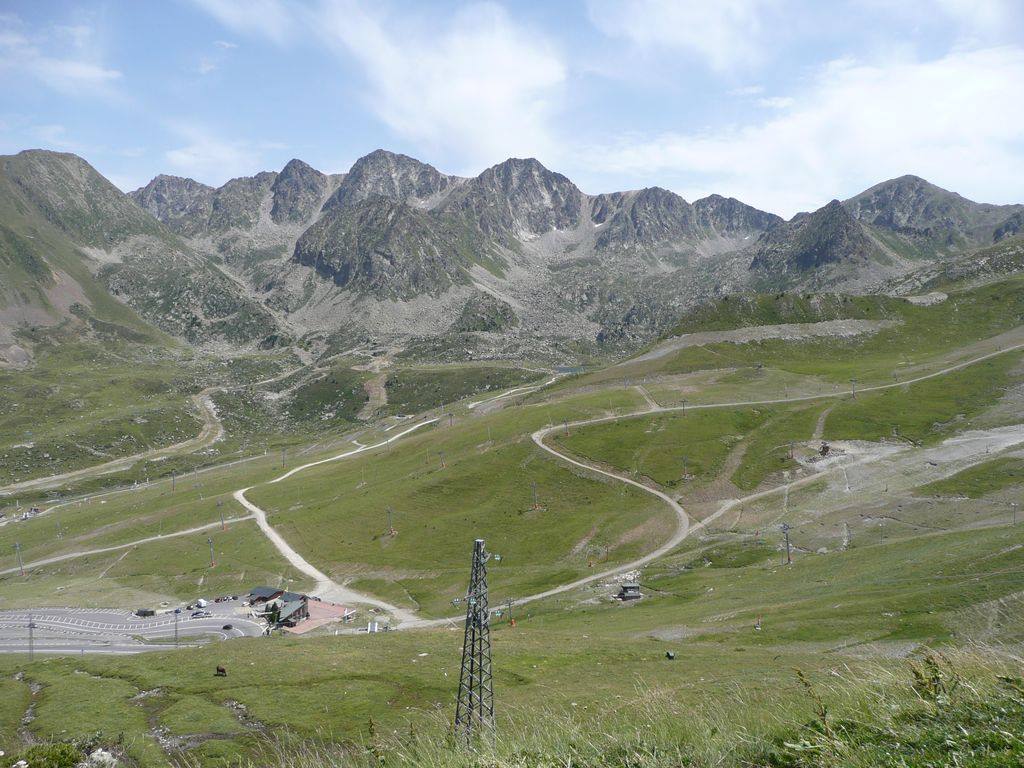
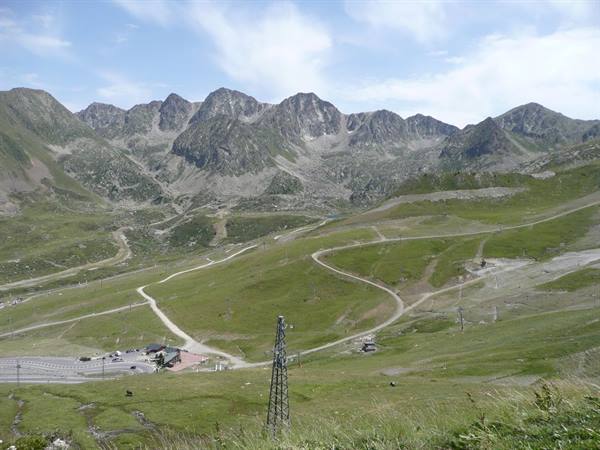
Along the road we often stop to enjoy the panorama, and from above we also admire the town of Canillo. A via ferrata allows you to climb from Canillo up to this panoramic point. Canillo is an important ski resort, and in front of us we can see the lifts standing still, waiting for winter.
With today our stay in the small principality comes to an end. Tomorrow we will take down our tent, organize our things, do a little last shopping, fill up the car (in Spain and France gasoline costs more) and cross the entire principality to pop out into Spain.
We will thus bid farewell to the small principality of Andorra, which gave us two wonderful days of trekking and splendid panoramas; our journey must continue and our itinerary is very packed, so we cannot stop any longer even though these mountains and these places we really liked. Adiós Andorra...
Notes This short travel diary is part of a longer travel itinerary that touched, first the principality of Andorra, then the Spanish Pyrenees and finally the French ones.

0 reader comments