The story
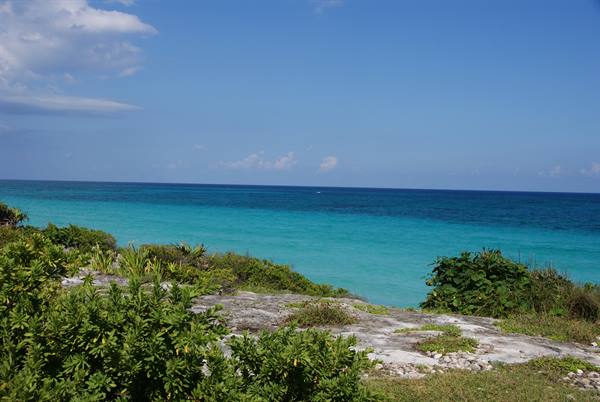
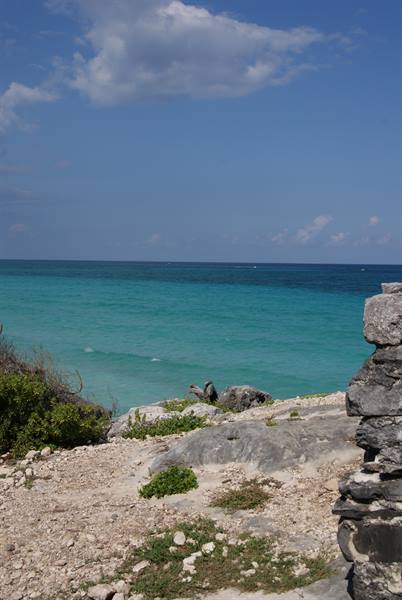
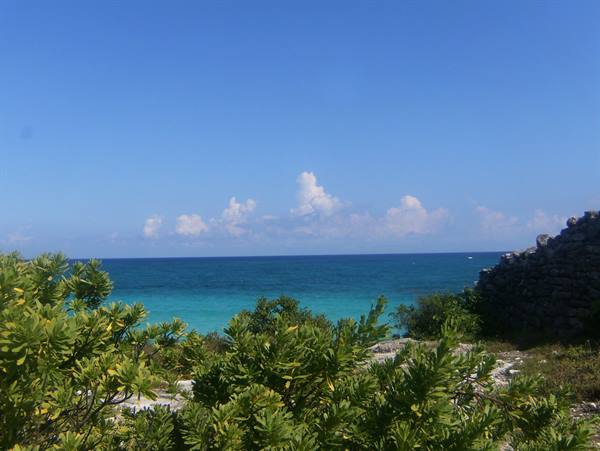
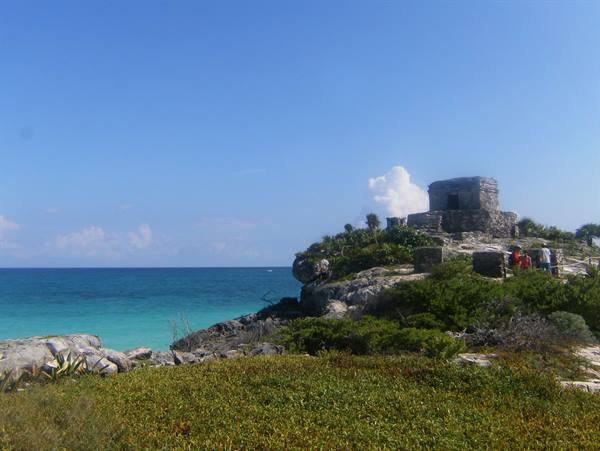
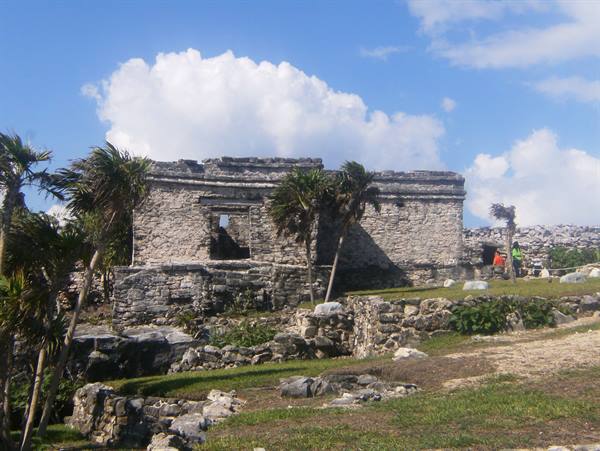
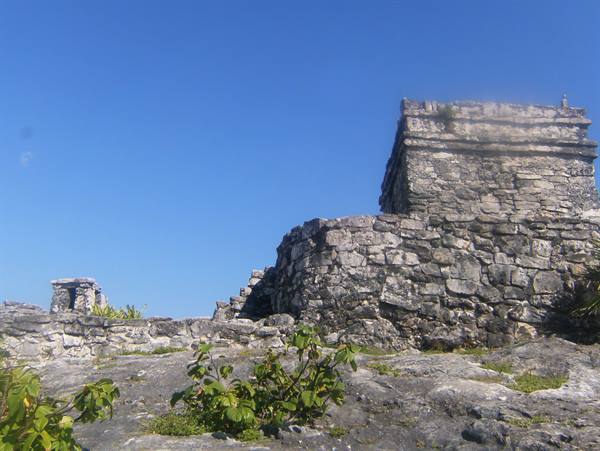
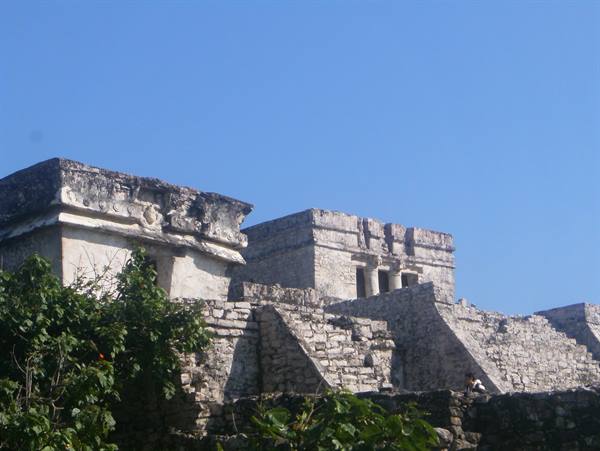
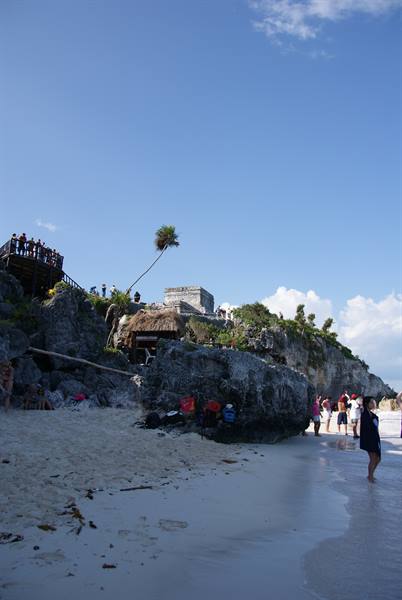
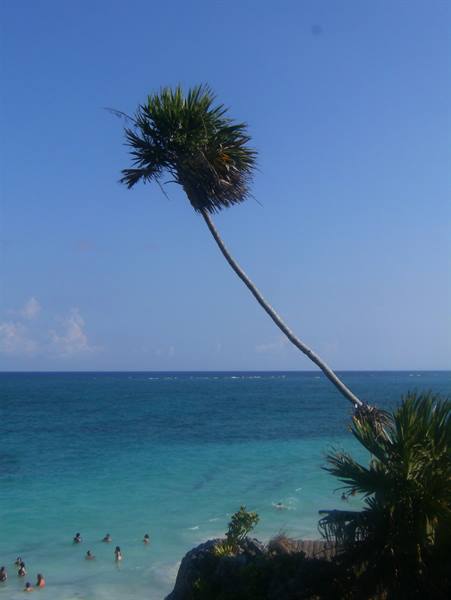
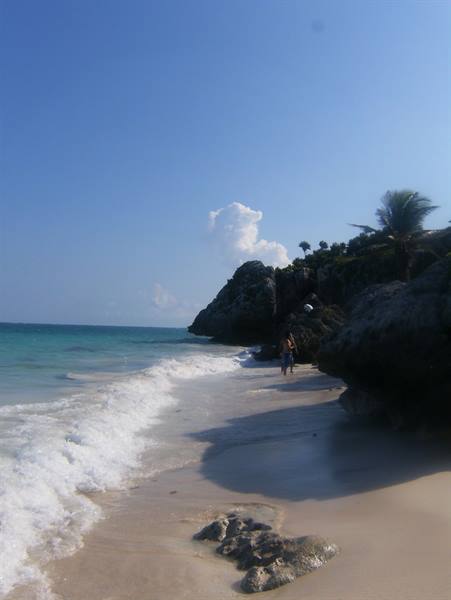
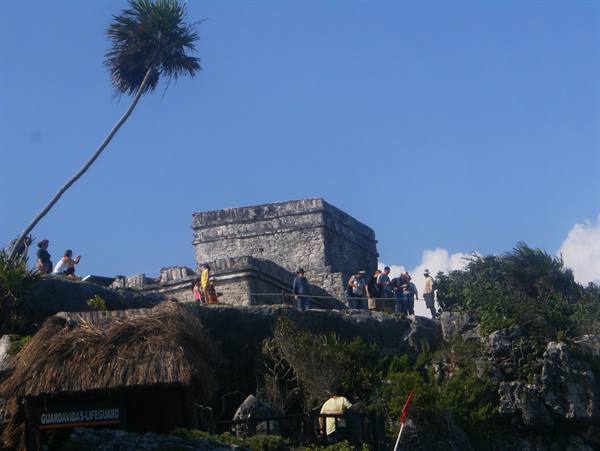
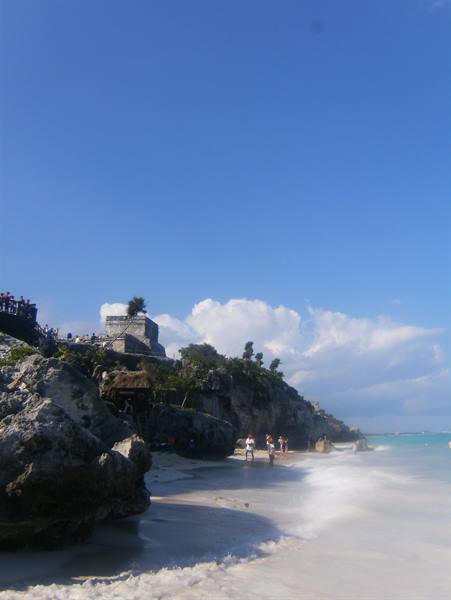
Tulum is an important Maya archaeological complex located on the Yucatan peninsula, in Mexico. Its particular position, on the coast overlooking the sea, meant that it was the first Maya city to be sighted by the Spanish on 3 March 1517. Its favourable geographical position had previously decreed its fortune, making it an important trading port for products such as fish, honey, salt, obsidian and quetzal feathers. The most important building of Tulum is undoubtedly El Castillo located near the landing place, a small inlet that served as a port. A destination for tourists from all over the world, the charm of Tulum is also due to its very fine sand beaches, typical of the Caribbean coast. The coastal position of Tulum, with the tall Castillo building overlooking the sea, meant that the citadel was the first to be sighted by the Spanish.
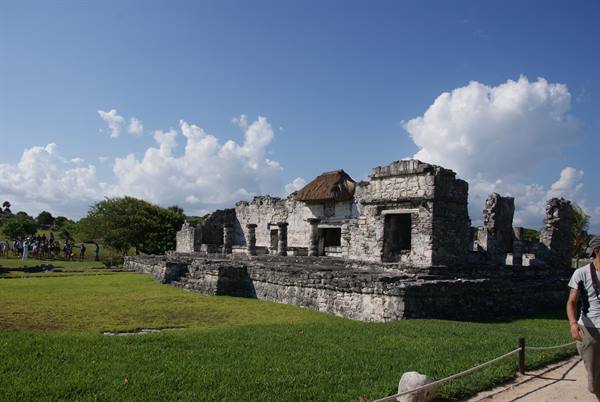
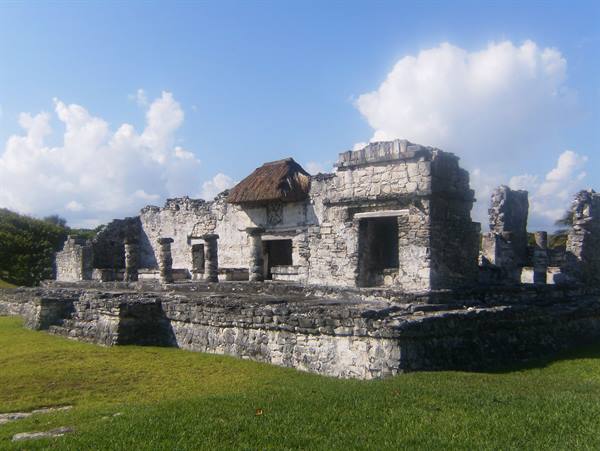
On 3 March 1517 three Spanish vessels arrived near the city and were reached by some Maya canoes. Tulum was the scene of a first clash between the Maya and the invaders, which took place when the Europeans landed and ended in favour of the invaders. [Map above: on the shores of the Caribbean Sea and surrounded by walls that complete the natural defence of the city, the site of Tulum is made up of a series of sanctuaries arranged around the central Castillo. The favourable geographical position placed Tulum on the trade axis that connected the Mexican Plateau and Central America. Trade took place by sea, on large canoes that landed in the inlet near the Castillo unloading goods such as honey, salt, fish, obsidian objects and quetzal feathers. The artistic expression of Tulum reveals influences from distant regions, such as that of the Mixtecs of the Oaxaca plateau.
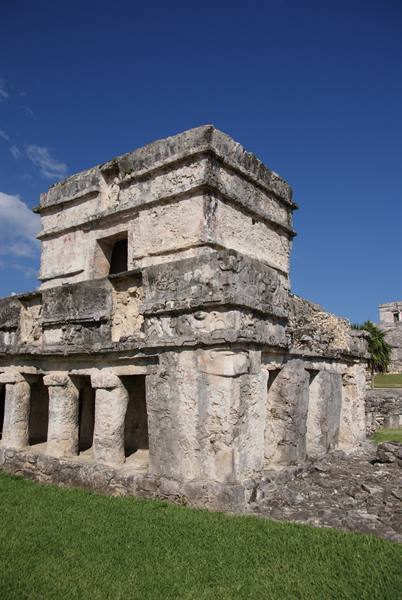
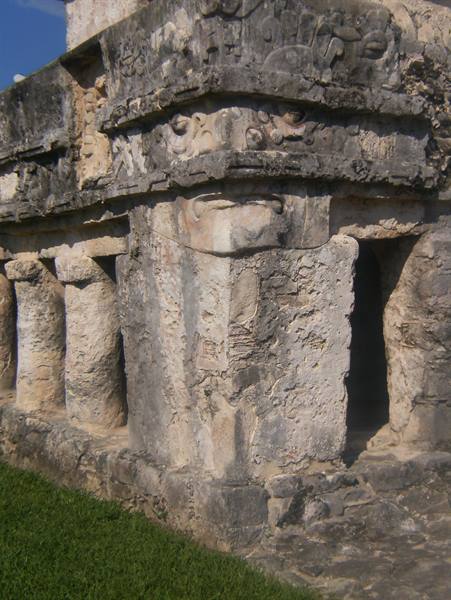
A singular deity, the descending god, perhaps connected to honey or the setting sun, appears represented in many buildings, in the vertical niches above the entrances. It is a mysterious figure, unique in classic Maya art: it is presented upside down, with legs in the air spread apart, a bird's tail and wings. In Tulum frescoes are preserved representing deities, sea animals and serpents, in which the Mixtec influence is recognised. In a fresco with a black background the goddess Ix Chel is accompanied by the god Chaac.
The journey's photographs
23 photographs · click to open them full screen



0 reader comments