19 unforgettable days in Mexico, carefully described across the archaeology, history, nature, the caves and the cenotes of Yucatan + Quintana Roo by car, and a week of sea and snorkelling in Akumal on the Riviera!
For all the hundreds of photos I refer you to my site:
Day 11 Nov 2006
Flight Cagliari - Rome - Amsterdam
At 15:15 the flight from Cagliari to Rome takes off, landing exactly one hour later. There, as usual, before us, as every year, is the square of Terrazza Roma in Fiumicino. Only the Mascot of the trip is missing, which we buy in a toy store: a white and pink unicorn by Nice that we call Maya, just to stay on the Mexican theme. We wait a few hours reviewing a few phrases in Spanish, until 19:00 arrives when we can check in. At 20:55 flight 1608 of KLM takes off for Amsterdam. It's 1,302 km for a duration of two and a half hours. It's the first time we use a KLM route, and the aircraft are very comfortable, as we knew from our friends. On arrival we look for a cozy place to spend the night. The Amsterdam airport, fortunately, to our surprise, is really very nice and well organized, with lovely comfortable little seats to lie down on.
So much for Fiumicino! We find a hidden, intimate corner protected by panels, where no one passes through. We try to sleep a few hours while waiting for the 6:30 check-in. The nearby bar, open 24 hours a day, lets us warm up with some hot tea, since we're wearing light clothing for a tropical climate! We get through the night quickly. After all, you know, the excitement of departure overcomes any adversity! At 8:30 the last takeoff of the long journey: flight 639 of Martinair Holland to Cancun. This time it's a good 8,267 km for almost eleven hours of crossing! Unexpectedly, we don't find monitors in the seats and we think we'll be bored to death. We discover instead shortly afterwards that you can rent the more convenient portable players, far better and individually customizable.
School of gray fish among corals and gorgonians in clear shallow water
Day 22 Nov 2006
Flight Amsterdam - Cancun. Terracaribe Hotel
We land in Cancun at 13:00 local time and move our watch hands to -7. This is the difference from Italy even with the start of daylight saving time, which is likewise applied in Mexico. The disorderly line and the confusion to get out of the airport are overwhelming: it's total chaos! They say Cancun is very Americanized, certainly not in this respect. In the meantime we change the first euros into pesos at the conversion rate of € 1 = 12 pesos. It's not very convenient because it should be at least on par with 13. At the exit, we search, confused, among dozens and dozens of taxi drivers and escorts shouting the most varied names while waiting for tourists and clients. Finally the sign with my surname appears in the arms of the driver of the Terracaribe hotel. We reach the nine-seat minibus and quickly load the suitcases. The transfer is exclusively for us.
In about half an hour we arrive in the city center. We're at the corner with Avenida Lopez Portillio, one of the main streets. And you can tell from the heavy traffic! We're surprised instead by the dwellings: low and small. Apartment buildings don't exist and the streets are in pitiful condition. The modern, Americanized part is in fact on the sea side, in the area called Hotelera. Meanwhile it starts raining in buckets just as we get off the minibus! The Terracaribe is nice, but a bit scruffy. At reception they're friendly and informal and only speak Spanish. The exception is the owner, who manages well in English too and appears to be a very capable person. Our room is on the 2nd floor: nice, comfortable, spacious and clean. I should point out that here in Mexico the concept of ground floor doesn't exist and it's considered as our 1st floor. So the 2nd is, in reality, our first.
The only drawback of the room is the traffic noise, because of the window onto the main street. It keeps raining nonstop and, tired from the journey, we collapse into bed without even having dinner, sleeping straight through for a good eleven consecutive hours!!!
Black gorgonian coral on rocky seabed in shallow water
Day 33 Nov 2006
Cancun
At eight o'clock sharp we go down to the restaurant for breakfast, still incredulous that we slept so much. We're surrounded by Mexicans; there don't seem to be many tourists in these parts. The breakfast selection is decent, and it's paid separately. Another clarification to make, in fact, is that here in Mexico the price of accommodation is exclusively for the overnight stay. Unless specified otherwise, breakfast and meals are never included. We have a safe in the room but someone before us, not very careful, left it locked with their code before leaving and it can't be opened. It's not a problem anyway because there are also some available at reception for free, next to the desk. We leave our valuables and passports and think about what to do.
The sky is covered with heavy clouds and the initial idea of going to Isla Mujeres quickly fades with some regret, since we chose the Terracaribe also because the ferry to the island is reachable on foot in just a few steps. So we dedicate the day to visiting Cancun. There are several buses that pass in front of the hotel, but to not waste time we get into a taxi that for 80 pesos takes us near Playa Caracol, in the Zona Hotelera, in front of the Hard Rock café. It already feels like being in another world, compared to the low, decaying little houses of the city centre. We stroll in fact among buildings and bizarre shops that are an attraction in themselves. The main square with the enormous monument of an electric guitar is very beautiful, where the Coco Bongo rises alongside and inside you enter the shopping centre.
Here, among restaurants and various shops, the Hard Rock Café stands out at the centre of the large covered two-storey structure. This really reminds us of Orlando with the Disney parks! After a brief reconnaissance, we walk along the main road reaching the beach near Punta Cancun. We find a free access with some difficulty, since the entrances almost all go through the hotels. These in fact reserve a nice slice of beach, which in this stretch is anyway rather narrow. Those who don't have one equip themselves with equipped pools to compensate. The sea is truly very beautiful even with the grey sky, and it colours itself splendidly in green-blue as soon as a ray of sun comes out. And when it comes out, it's so hot that the backpack on your back is almost unbearable! After a long circular tour, we return to the Hard Rock café square.
We have lunch at the Rainforest, a famous themed restaurant chain, for the overpriced sum of 550 pesos, ordering a huge plate of Mexican appetisers and a first course of spicy pasta rich in spices that we can't even finish. The place is really cute and singular, with those waiters dressed as Indiana Jones-style explorers and the fake dense jungle that comes to life at repeated intervals! We wanted to treat ourselves to this since we didn't do it at the Rainforest in London… In the afternoon we stroll again along the coast, rounding Punta Cancun and heading south. Access to the beach is always difficult from the main road and the entry points are few. You'd have to take a taxi and get taken further south to the more famous free beaches. But we prefer to turn back given the perpetually cloudy sky.
We buy a phone card in a market for 100 pesos valid for over eighty minutes for calls to Italy, along with some postcards and a road map more up to date and detailed than ours. We return to the Hard Rock café, of which we remain a bit disappointed because the shop is too small, and we take some photos in front of the Coco Bongo. We're tempted to come back after dinner for the 10:30 pm show that costs 43 dollars. Right behind the venue's eerie entrance (dark because we're in the Halloween period!), there's a convenient access to the beach, which on this side is much wider and longer. You can see a beautiful stretch of the gulf, and the sea is always stupendous even though more open, with big and powerful waves where surfers give their best. There's almost no one and the lack of sun and the strong breeze certainly don't encourage you to stay in a swimsuit.
A man with a funny gadget in his hand, completely similar to the one for finding metal objects, scans the sand. Could he be looking for gold in Cancun? To get back to the Terracaribe we flag down another taxi, but this time we fall into the first rip-off: 160 pesos the cost, that is exactly double the outward trip!? The driver says the price is different from the centre to the Zona Hotelera and vice versa, even though the route is the same… but can that be true? He might even be right, but we were so naive not to read the sign in front of the square that officially publishes the cost of taxi rides for the different zones of the city. A mistake not to repeat again! The heavy lunch is still intact in our stomach causing an unbelievable tiredness. Maybe the heat and the time difference don't help at all either. So we collapse into bed again… so much for CocoBongo!
Chichén Itzá pyramid illuminated at night with colorful lights
Day 44 Nov 2006
Transfer to Chichen Itza. Dolores Alba hotel. Cenote Ik-Kil
Today's first thought is about renting the car so we can start our on the road trip. The manager at reception already offered yesterday to call a local agency, Executive, claiming that the prices are competitive and they can come pick us up directly at the hotel. We take the opportunity to book an Atos, the economical compact car most widespread in these parts. The price of 300 pesos per day (€24), including insurance and air conditioning, seems incredibly convenient. It's practically half of what the most widespread international agencies offer, like Avis to name one, from which we asked for a quote yesterday to have a comparison. Could there be a catch? The driver arrives after only ten minutes (he'd said twenty on the phone!), while we're having breakfast at the Terracaribe, catching me therefore completely unprepared.
I leave Stefania at the table and get into the car to reach the Executive headquarters. The only thing I think about on the way is taking landmarks to remember the way back! Once at the agency we handle the usual rental formalities and check the car, which has a few little scratches that are promptly noted in the paperwork. I ask if I can return the vehicle in Playa del Carmen and I'm handed a city map, where three Executive branches are active. You just go to any one of these. The drop off for the distance from Cancun is 16 dollars. The price really seems like a deal and I accept. Here I am then at the first drive of the light green Atos through the busy streets of Cancun. Luckily I immediately remember the direction and I'm grateful to have chosen the Terracaribe on Lopez Portillio, a street well signposted by road signs. I also stop to fill up with petrol at a PEMEX station.
They're the same throughout Mexico and the petrol price is fixed too. There's no self-service like back home: the petrol attendant is always present at the pump to serve. The fuel gauge is at about a quarter, and the "lleno" (that's what a full tank is called) comes to 160 pesos (about €13). If only I could fill up at this price in Italy! I return to the Terracaribe, noticing that in the hotel car park the other rental cars, unlike our Atos, all have the brand or the sticker. I've read in some accounts that sometimes it can be a disadvantage because you're easily recognisable as tourists, and someone can take advantage of it. Unfortunately, it even happens with the traffic police, of whom the Keyguide also advises to possibly never have anything to do with: it's happened that people have received non-existent fines to squeeze a few dollars out of them.
Happy to be able to drive around anonymously, we load the suitcases and start our on the road trip! We follow the same Avenida Portillo Lopez to leave Cancun and merge onto the 180 road, which splits into two. One is called cuota, it's tolled and fast, the other is free and is the old connecting road that passes through Valladolid and into the towns. Shortly before Mérida the two roads rejoin and become the same one (toll-free, free access). We want to reach Chichen Itza and to save time we choose to take the cuota. Getting to the entrance from the centre of Cancun is as easy as it is direction-wise traumatic, due to the pitiful conditions of the asphalt.
Not only is it a continuous succession of the famous topes, that is the speed bumps that are really high and force you to stop as at a stop sign to get over them (if you want to keep the car intact!), but on top of that there's a myriad of potholes, more properly chasms, caused by the rains. Carelessly hitting one means ending the on the road trip directly at the body shop! At a speed of 40 km/h you run more risks than going at 200 on one of our roads and you absolutely cannot take your eyes off the road for a second! We finally merge onto the 180 cuota and the road radically changes, allowing you to easily reach the speed limit which goes up to 90 / 110 km depending on the stretch. All this though has a decidedly high price.
A good 230 pesos (almost 20 euros) to pay at the toll booth of the Chichen Itza exit! Among other things the road is rather monotonous and the car radio receives no signal. Initially we're struck by the dense vegetation of the jungle around, but once used to it there's nothing else to see, because the route is perpetually straight across the immense Yucatan plateau. There are no hills, houses, elevations, changes of landscape: the panorama is flat! The only exception: a few Mexicans on foot dragging a cart with firewood. The question arises spontaneously: where do they come from if there are no branches, towns and signs of civilisation for dozens of kilometres? We pass through Pisté, a small town that sprang up near the archaeological site of Chichen Itza, exploiting its huge tourist demand. We're about 220 km from Cancun and 120 from Mérida.
We observe the houses, always very low and small, the Mexicans on the street, some curious children, several skinny stray dogs in bad condition, who make you feel a bit of pity and tenderness. Past the topes, we arrive at the entrance of the site, but we continue past it to look for the Dolores Alba, a hotel that Lonely Planet describes as having excellent value for money. We find it a few kilometres later without any detour on the main road (which is the 180 free, which goes from Valladolid to Chichen and continues to Merida). It's right in front of the Ik-Kil cenote and a stone's throw from the Balankanche caves, both places we want to visit. The hotel is characteristic and really cute, in the middle of nature, with a beautiful pool and forty rooms arranged in a row on the ground floor at the back of the jungle.
One night (without breakfast) costs 420 pesos (€35) and you can also pay in dollars or euros and by credit card. We accept immediately because the place deserves it. The owner, with the look of a Mexican cowboy, is a character in himself. He hands us the keys to room number 24, which is pleasantly right in front of the pool. It's clean and customised in true Mexican style. It doesn't have luxury comforts but it's fully worth the price paid. And there's also a convenient safe. By now it's too late to visit Chichen Itza, so we leave our luggage and walk towards the Ik-Kil cenote. We just have to cross the road and we're at the entrance. Admission costs 60 pesos each. We cover a beautiful evocative stretch through the vegetation between stupendous cottages that are also rooms (they'll cost a different amount from the Dolores Alba I suppose!).
We arrive in front of the car park and notice that there are only a bus and a few cars. Better this way, we thought it was much more crowded. We have lunch at the splendid open-air restaurant in a great sense of relaxation and peace, spending 300 pesos for two with a buffet menu. The visit to our first cenote is quite exciting. We go down some illuminated steps that lead to a panoramic point, a large opening in the rock that overlooks the deep crater with a pool of water inside: it's a great sight, beyond expectations! The staircase descends further in a circle for several dozen metres until reaching the bottom where the natural pool lies. There's almost no one around, even fewer in the water: only a few brave ones who dive from above and seem to be having a lot of fun! Having just eaten it's not the case to swim in the cold water, where numerous nice and visib[le]...
Pyramid of the Magician at Uxmal, limestone steps under white clouds
The tranquillity of the Dolores Alba pushes us to confirm the room for another night, right after breakfast. This way we can have time to visit Chichen Itza and the caves in the afternoon without rushing and stay another day in this splendid place. We take the car and in a couple of kilometres we're in front of the most famous archaeological site of the Yucatan. You pay 10 pesos for parking (valid for the whole day, even if you leave and come back later). Another 100 pesos each for the entrance ticket (you're given a wristband, also valid for the light show that takes place in the evening). Since this is the visit to our first archaeological site, we think about getting a guide to have a grounding in the history and culture of the Maya more in-depth than what we read from the paper guides.
We couldn't be luckier, because immediately in front of us appears a nice man with a good-natured look who also speaks Italian, who introduces himself with the name of Arturo. The cost for a tour of an hour and a half within the site is 450 pesos (and they're not negotiable because at the entrance there are signs displaying the official prices). Lonely Planet in fact also mentions a cost of about 40 dollars. So we accept without thinking too much about it. Arturo begins with congratulations for having come so early (it's not even 8:30), since it's much less hot and there are very few tourists. This will allow us to visit the site in the best way. The buses in fact, as read in other accounts, arrive around 11:00 in the morning with the bulk of visitors, and from that moment Chichen Itza becomes a madhouse.
In the entrance hall there are some souvenir shops, a market, a very useful ATM (the only one in the area) for withdrawing cash, the toilets. A little further on we start the tour, stopping near the scale model where the heart of the site is reconstructed in miniature, with a splendid view of the Castillo and the main surrounding monuments. Arturo explains the basics of Maya history and the construction of Chichen Itza. To give a brief summary, the Maya civilisation has very ancient origins: the first settlements can be attributed to 1500 BC, although it's in 300 BC that the first big cities begin to develop. The empire was located in the current territories of Veracruz, Yucatán, Campeche, Tabasco and Chiapas in Mexico, as well as in most of Guatemala and in some areas of Belize and Honduras.
The classical period, roughly between 300 and 900 AD, is characterised by the spread across all Maya territories of an almost uniform culture. The major Maya cities then were Tikal, Copan, Bonampak, Piedras Negras, and Palenque. In this period the civilisation shows its most interesting development in cultural, political and technological organisation, culminating in a scenario where each city was a small state that had contacts with the others only for commercial exchanges. Around 900, the cities were abandoned, probably due to famines and natural causes, although there is no complete certainty. Part of the population moved to the Yucatan, and here the Maya civilisation of the following period had its centre. The New Empire culminated in the cities of Chichen Itza, Uxmal, Mayapan and Labná.
The peak of the Maya people was around 1000 AD, but internal problems and wars between the various cities caused their decline. One of the most relevant and studied characteristics of this people was the high degree of technical knowledge, represented by the water network, made up of very small canals that channelled into large cisterns used for collecting water for daily use and for irrigation in the fields, and the construction of very long roads that connected enormous distances. But perhaps more than anything, what astonishes about the Maya is their knowledge of astronomy, of the stars and of the calendar, here at Chichen Itza represented excellently through the study of the blocks of the most famous monument: the El Castillo pyramid. We continue a few metres along a tree-lined avenue, reading the original inscriptions in the Maya language, made up of an alphabet of hieroglyphs.
A few more metres ahead and suddenly El Castillo appears on the green lawn, with its 30 metres of height! Finally! Solemn and spectacular, it's a great emotion that transforms the dream of Mexico into a real vision before our eyes! And even more intense is the excitement of being here alone with no one around! Arturo begins with the explanations and our photos are wasted in every pose. But he advises us to wait because we're on the west side in shadow and the best images are obtained on the other facade of the pyramid, illuminated by the warm rays of the sun that today shines without a single cloud in the blue sky. We walk alongside the pyramid while learning the historical notions. It is a true representation of the Maya calendar, with 9 levels and 52 panels, and four stairways with 365 steps in total.
We observe the facade from which, during the spring equinox of 21 March and the autumn equinox of 21 September, twice a year, the sunlight magically visualises on the stairway through a play of shadows the shape of a serpent, created in honour of the god of the Feathered Serpent. Thousands of people gather on those days to see the event, shown in numerous postcards. Unfortunately you can't climb the stairway for more than a year now, since an American woman got hurt and, in any case, the pyramid wasn't built to support the weight of thousands of tourists who come every day to visit it. We also notice the substantial difference between the two restored facades brought back to their former splendour, compared to the other two original ones that are much more ruined.
Some people start appearing and it's even better, from a photographic point of view, than when there's no one because, as per the manual, to immortalise the grandeur of a monument it's necessary to have a reference subject in the photo, to attribute greater impressiveness to the work itself. We move on to visit the group of a thousand columns and cross the green lawn on the opposite side towards the Juego de Pelota court, the largest ever built. It measures a good 170 metres in length and 50 in width, with side walls up to 8 metres high. In reality it was used a few times for the game, which among other things was extremely difficult, while more often it was the site of theatrical performances, having a stunning acoustics.
Arturo claps his hands to give an example, and it's literally jaw-dropping! The game back then consisted of a rubber ball, with the hefty content of 'just' two kilos (but was it a stone or a football?), which you bounced on the ground and between the walls of the court with the aim of putting it, like in basketball, into a special side hoop. You could use your elbows, knees, shoulders and hips but not your hands or feet. So it was practically impossible, given that the hoops are about seven metres high. So much so that if someone succeeded in the attempt, they were considered an exceptionally strong man.
And so, how better to reward him than by sending him directly as a messenger to the Toltec god with a nice blood sacrifice? You have to consider that, at the time, this was considered a supreme honour and the concept of death was very different from ours… In any case, the practice of sacrificial rites was not customary in the original Maya culture. It became a brutal reality in the last decadent phase of the history of this people, between the 10th and 12th century AD...
Pyramid of the Magician at Uxmal, limestone steps beneath white clouds
Day 65 Nov 2006
Chichen Itza. Balankanchè Cave. Light & Sound Show (2)
To give strength to their god and venerate him, the brutal rite of sacrificing human hearts was performed, which consisted of drugging the poor predestined victim with belcè and tearing out their heart while still alive. The belcè is naturally obtained from the trunk of some trees, present here on the site itself. In low doses, it became more or less a common beer, but in concentrated quantities it takes on the features of a real drug. The obsession with this rite also and above all entailed the use of prisoners in battle. Among these, the strongest were always chosen, to bring a greater 'contribution' to the sacrifice itself. We also discover another curious truth of the Maya: sometimes, some punishments consisted of diet, which however didn't mean not eating as we intend it now, but simply not being able to use spices, in particular chilli.
The latter was used abundantly in the cuisine of the time and eating a dish without its presence was considered tasteless, therefore like not eating anything. A little beyond the Ball Court the Toltecs built the platform of the Tzompantli, the "wall of skulls", and that of the House of the Eagles dedicated to the elite military corps. On the "wall of skulls" the Toltecs displayed the skulls of the sacrificed players, a practice that had never reached such gruesome levels in the previous Maya people. The importance of shed blood as a contribution appears clear also in the reliefs that decorate the House of the Eagles where jaguars and birds of prey, emblems of the two most important military orders, as well as symbols respectively of the nocturnal Sun and the diurnal Sun, devour human hearts.
It's 10:00 and you can see quite a few Mexicans starting to open and set up their stalls, waiting for the tourist boom. So we take a fleeting preview look at the stupendous handicraft objects of various kinds. We reach the Temple of the Jaguars, with interesting reliefs and depictions, and then the Caracol, the circular observatory. The astronomical studies were done here, in one of the few spiral circular buildings of the Maya culture. On a double base with bevelled corners this masterpiece was built in smoothed stone blocks marked by four doors, while on the upper drum masks of Chaac were applied in correspondence with the openings. A further level of the Caracol instead has little windows from which the priest-astronomers leaned out to scan the sky.
Here, without instruments other than two crossed wooden slats, the priests could follow the path of the sun, the moon and the constellations. With great patience they recorded the passage of time and created a solar calendar of 365 days, with a minimal deviation from that established by modern astronomers. The solar year in fact was divided into 28 weeks of 13 days each. From this knowledge of time also derived their power, being able to predict the changes of season and many of the repetitive events today commonly known, but then unknown to the majority of the people. Here the guided visit also ends, lasting almost two hours, even more than agreed. Arturo was very kind and thorough and we're truly satisfied to have met him because he gave precise and detailed information not even present in the Lonely. We're now free to wander around the remaining parts of the site.
At 11:00 it seems like being in a different place from the one seen two hours ago: hundreds of tourists and groups crowd the main square of the Castillo and it's blisteringly hot! We reach the Sacred Cenote, in which other sacrifices were made to the rain god. We thought we'd find little more than a pool of water and instead the cenote is really big. A real deep open-air crater! Could that be why they discovered inside it over 200 human skeletons and about 4000 various artefacts? We then stop for a few minutes at the convenient kiosk where we buy something cold to quench our thirst. Heading back towards the main square, we stop among the endless stalls now swarming with tourists haggling for any purchase. All travellers advise buying here because it costs much less than in the rest of the country and you can push the prices down more.
The choice of souvenirs to take home is practically unlimited. So we tackle several negotiations for some of the things we're most attracted to. The first negotiation is for wooden musical instruments, like flutes and drums built on canes, obviously all handmade. Then we move on to negotiating a magnificent jaguar head in superbly finished cedar wood, the most beautiful of all the stalls. The Mexican wants 600 pesos for it, but in the end with 500 we get the head, a beautiful star-shaped little picture (also in wood, on its own it was worth 150 pesos) and various bracelets and little necklaces. An Italian guy even expresses sincere compliments to us, saying that he couldn't get below 500 for the head alone.
For the Americans, the price was even 800 pesos non-negotiable because, states the Mexican (and he's not the only one to say it!), they're richer and can afford it! We also look at some hammocks but we're not totally convinced. Once the purchases are done, we return exhausted to the Dolores Alba, worn out from the hours of walking under the scorching sun. We have lunch outdoors in front of the pool to regain our energy. Here the feeling of peace is even more amplified after the crowds of Chichen Itza! At 14:40 we're at the car park of the Balankanche cave, very close to the hotel, reachable on foot if you want. Admission costs 35 pesos each and the visits take place every hour. So while we wait for 15:00, we quickly visit the small museum below that talks about the historical finds found inside the caves.
The guide is ready and the group gathers, made up of us, a few Mexican tourists plus a European couple probably French. Some signs warn about the difficulty of breathing deep in the cavern, as the complex is completely closed with no outlets. We don't give it the right importance initially, but we have to think again after the first two hundred metres, on a route that goes into the depth for a good 800 metres for three quarters of an hour of walking. There's a lack of oxygen and the heat and humidity are at the limit of endurance! Every extra step weighs like a hundred-metre sprint… The caves though are stupendous, truly worth it! Inside they have archaeological remains such as vases and sculptures of notable interest, as well as rooms full of stalactites, stalagmites, and a final pool of crystal-clear water in which the tourist tour ends and that of the underwater cavers begins.
The water is so crystal clear that it blends with the air and the bottom appears extremely sharp. The return is done more quickly, in a desperate search for oxygen that at the exit seems to burn your lungs! At the car park we find a Mexican man who is unexpectedly washing the windows of our Atos, earning his tip. We return to the Dolores Alba but the day isn't over yet. At 18:30 we're back at Chichen Itza for the Light and Sound Show, the evening light show at 19:00. We enter and walk again along the tree-lined path that leads to the square in front of El Castillo. It has quite an effect with the darkness all around. We immediately take two chairs among the many arranged specially in front of the pyramid that give an evocative view of the site at night.
The show lasts about forty minutes and consists of a narration in Spanish that explains notions of history and customs, while the monuments pr[oject]...
Mayan stone ruins at Uxmal under blue sky with clouds
Day 76 Nov 2006
Mérida.
At 8:00 we have breakfast and right after the check-out of the room, paying directly in euros. We've thought about the brochure of the homonymous Dolores Alba of Mérida, which looks very nice. And since we've been very well here, we book a room for tonight through the reception itself. We load the suitcases in the car and on the way we briefly stop at Chichen Itza to withdraw cash in pesos from the ATM with a credit card. A little further on, at the exit of Pisté, we fill up with petrol entering a deserted station. The tank is a little less than half and the petrol attendant boy charges 260 pesos. I'm perplexed and a bit confused thinking that Magna petrol is the most expensive. In fact there are two types in Mexico: the green and the red.
But checking a few minutes later on the Lonely, it's exactly the opposite: the green, that is the Magna, is the cheapest! The petrol attendant pulled a fast one, because the first fill-up done in Cancun was 160 pesos with the gauge at the same level. And to think I even watched him reset the meter, but I didn't see the price written anywhere. The advice I read was all true and the rip-offs are there, you have to keep your eyes open! We skip the cuota and continue on the 180 (free) which goes towards Mérida, hoping that at least this one is more characteristic and there are more interesting things to see than the first. In reality it doesn't change much. The landscape is always the jungle, with no elevations, flat and straight for dozens of kilometres. You pass through some tiny villages, few houses, again stray and sick dogs, a few Mexicans on the roadside.
The topes are never missing, and not all are marked and clearly visible since they blend with the colour of the asphalt. Where even a single house is built, you have to expect it! Never exceeding 40 km/h near a populated centre is the number one rule to safeguard the on the road trip... luckily at least the road is overall in much better condition than those of Cancun. The entrance to Mérida is rather traumatic. From the green jungle you pass to that townish. But certainly not because of the asphalt or the concrete (since the houses are always exclusively low and small, 90% single-storey and the remaining 10% at most two or three - practically buildings don't exist), but because of the people. A human flood swarms through the main streets going everywhere amid an intricate traffic of crazed vehicles.
Now you have to be careful not only of the cars, the topes, the road signs, the traffic lights (which are positioned differently from ours, that is American-style on the other side of the intersection), but also not to run anyone over! Luckily the Dolores Alba is near Calle 65, which is the main access road to Mérida coming off the 180. I stop the car in front of the hotel's rickety door and ask if they have parking inside. The entrance is a few metres further on, in a small and narrow lane. We park and handle the check-in formalities. The hotel has two different parts around two adjacent courtyards. The first is in perfect colonial style, very evocative, where there are outdoor tables for eating and some more 'Mexican' rooms upstairs. The other instead is the modern part, with rooms on two floors with mirrored glass windows directly onto the pool. We take one of these, no.
255 on the 2nd floor, for 450 pesos (€37). The colonial-style rooms cost just a little less, 430 pesos. The hotel is truly very beautiful and the accommodations stupendous, very spacious, clean, shiny and new, with comfortable tables and small armchairs and the safe: an oasis of paradise in the hell of Merida! I would never have said it looking at the crooked entrance gate and I must confess that Lonely Planet has once again hit the mark, since it cites the Dolores as a true institution of the city with excellent value for money. We leave the suitcases and walk around the centre of Mérida, which retains the nickname of "White City", since it was once a clean city and the inhabitants always dressed in white. Today it's a busy city, not particularly characteristic but in continuous ferment and always celebrating.
You almost have to walk by pushing! The historic centre doesn't say much and is mostly limited to the main square El Zocalo, where some colonial buildings stand such as the Casa de Montejo, built in 1549 and inhabited by the homonymous family. Today it's a bank, one of the best examples of secular plateresque. Nearby stands the Palacio de Gobierno (Government Palace), which instead dates back to 1892 and was built where the palace of the colonial governors once was. Around it there are many souvenir and handicraft shops. Mérida is in fact particularly famous for textile work, especially for the hammocks in Yuta and the Huipiles, the indigenous female garment (a kind of blouse decorated with brightly coloured pre-Hispanic designs), as well as for the Panama hats made with the leaves of the Jipiapa palm. Following the Lonely's directions, we stop for lunch at the Café Lucia.
They serve Italian food, but relatively speaking. The food is good, but the pizza has the dough of a flatbread and the pasta is overcooked. We're alone in the entire restaurant and probably the reason is the somewhat high price: 350 pesos. The Lonely should update on this... on the other hand the restaurant is still beautiful and with a pleasant atmosphere with an exhibition of authors' paintings on the walls and impeccable and classy service. The garden at the back is also stupendous, since Café Lucia has recently also become a hotel with rooms from 120 dollars a night! We return through the streets of the city, meeting by chance a professor who makes a joke hearing us speak Italian. He's been to our country for his honeymoon and tells of Venice and other cities with memorable memories. It seems there are many Mexicans who choose Italy as their wedding destination.
They consider our people similar to theirs in culture, friendliness, warmth and the inevitable tradition of the afternoon siesta! While walking he shows us the street of the university where he works. He says tonight there's a big party in the square and suggests we go. He then takes us to a shop of hammocks, panama hats and clothes named "Casa de Artesanias Mayas LOL-BE", at Calle 62 no. 486 X 59 Y 57. A cheerful guy with cowboy boots introduces himself with the name of Errique and begins a long, funny and entertaining Italian conversation full of jokes. He begins by saying that here there are products originating from local families, entirely handmade, and by buying them you have the chance to directly help these people without intermediaries. All things already heard to entice tourists to buy obviously.
But Errique turns out to be extremely likeable and continues to enthuse showing the difference in the quality of the various hammocks. Mérida is in fact commonly renowned as the absolute best place to buy hammocks in Mexico. The wide-mesh ones, he states, are useless and to be avoided because they also irritate the skin. The cotton ones with a tighter mesh are better, but they fray and break easily if you carelessly catch the belt, keys or shoes. The real Mexican hammocks are in yuta, with the unmistakable fabric that has a pleasant smell for humans but not pleasant instead for mosquitoes. That's why Mexicans never need Autan! Resistant to rain, to the washing machine, to weight, to tears and fraying: prac[tically]...
Stone Maya temple at Sayil, carved columns on green hill under white clouds
Day 86 Nov 2006
Mérida. Dolores Alba hotel
We try at our leisure both the medium one (which is valid for two Maya people or one European) and the large one (for four Maya people and two Europeans – if you want even with a small child in your arms) while Errique volunteers to film us with the camera. It'll make a very hilarious and lively little film, that's for sure! The top comes when he pulls out of a drawer the booklet of the Amakasutra, with the positions clearly of the more famous Kamasutra adapted for the hammock. From here follows a series of unforgettable jokes and Italian clichés that Errique knows perfectly, as well as the most 'refined' swear words.
And he especially fires back about the nightmare of mothers-in-law, who here in Mexico keep their daughters' husbands on a tight leash and are deeply hated! It's something we've already heard often at the stalls, where to win the customer's sympathy they shout: "Gift for the mother-in-law?". We start 'furious' negotiations with Errique, who once again reiterates his willingness to accommodate two Italian guys compared to those rich Americans who buy without caring about the quality of things. From the exaggerated initial price of 4,200 pesos (350 euros!) for a large hammock, after twenty minutes we finally reach that of 100 euros for the large hammock, with splendid and bright colours, plus the panama.
This too is of excellent quality: very light, it folds into a pocket, goes in the washing machine, you adjust the size of the head with your knee or with the band, and it always becomes perfect again in a few moments! Never seen such a flexible hat… We don't have the money with us but Errique has no problem at all and is willing to accompany us back to the Dolores Alba to go get it. We walk quickly through the streets of Mérida, increasingly crowded, while we exchange with Errique various opinions on politics, culture, sport and economy to trace the differences between Italy and Mexico. Conclusion: it's a small world and the underlying problems are pretty much the same.
We talk about serious topics and funny things and, although this afternoon was initially planned for visiting the city, it turns out to be extremely interesting with Errique because we learn the way of life of Mexicans from a real Mexican. And it's always said, solemn truth, that mixing with the local population is the only real way to get to know a place you visit. Back at the hotel, we go up to the room to get the money and once downstairs we find Errique chatting with other Italians: the merchant spirit is inherent in his character! We pay him, but it's not over: at this point we raise the offer again asking for another large hammock for 50 euros to give, obviously, to the mother-in-law. Taken by sympathy, he doesn't bat an eyelid and we return again to the shop amid general laughter.
Limestone cave with stalactites and two light openings above
Day 97 Nov 2006
Ruta Puuc: Uxmal archaeological site
At 7:30 we are again in the courtyard of the Dolores Alba for a quick buffet breakfast, very varied and good. We load the suitcases into the car and resume our road trip, following calle 261 and leaving Mérida behind. Our intention is to travel the famous Ruta Puuc, an itinerary dedicated to the Maya civilization that flourished between the 8th and 10th centuries. This name refers both to the hills of the same name that characterize this region, which finally give greater variety and charm to the landscapes so far rather flat due to the endless Yucatan plateau, and to the flowery archaeological style, characterized by large complexes of rectangular-plan palaces, groups of columns alternating with framed panels, masks of Chaac on the facade, and stone mosaics.
We follow the indications on the map and arrive at Uxmal at 11:00, after about 80 kilometers of almost desolate road, evocative and immersed in the jungle. We first look for accommodation, so as to settle the suitcases and have the rest of the day available to visit the archaeological site. The offerings are not very varied and are concentrated in a few isolated accommodation facilities on the main road. No inhabited town rises nearby, in fact, as happens for example at Pistè for Chichen Itza. On the right
Swimmers and visitors inside a cenote cave with stalactites and artificial lights
Day 107 Nov 2006
Ruta Puuc: Uxmal
We pass the pelota ball court, drastically smaller than the one at Chichen Itza, and climb a small hill where the Governor's Palace stands, a building almost 100 meters long that rises above a vast terraced platform and served as a residence for the highest authorities. The palace is oriented toward the rising of the planet Venus and has a simple, linear lower section, while the upper cornice is decorated with symbols of Mayan culture and on the frieze you can count as many as 260 masks of the god Chaac. At the back of the palace there is a series of narrow arrowhead-shaped doorways, which lead into a tiny chamber whose use remains unknown. The elaborate mosaics that decorate the four facades are made up of around twenty thousand pieces! Also at the back of the palace, you come out with a beautiful view halfway up the very steep steps of the Great Pyramid, which is attached to the hill.
Before visiting it, we do the loop route back to the edge of the terrace where the House of the Turtles stands, a building named for the frieze on its upper cornice decorated with small carved turtles. It seems it was built as a tribute to the water god. From here you can take in a decent panorama of the site, with the Pyramid of the Soothsayer rising majestic and overpowering from the jungle. On the left, we continue a few meters, descending a level, and reach the aforementioned Great Pyramid, about 40 meters high. It is almost entirely ruined and climbing those very narrow steps takes considerable effort, amply repaid though by the superlative panorama from the top. You can relax here sitting down while taking in the whole archaeological site in all its grandeur and the dense jungle stretching as far as the eye can see.
The descent is even harder and must be done diagonally to avoid vertigo. We stroll to nearby El Palomar, the "dovecote," a curious structure with a ridged roof that recalls Arab pigeon houses. At the back there is also a small path whose destination we don't know and which we follow only for a short stretch. We have seen more or less everything in a good three hours of visiting Uxmal, which I personally find more fascinating than Chichen, being more isolated, vast, and with a more interesting landscape thanks to the stepped terraces that allow a progressively growing view of the whole place, as well as thanks to the numerous iguanas and butterflies present everywhere. The comparison is difficult anyway because we are talking about two very different places.
We head back to the entrance, where there are some shops and the ATM for withdrawing cash, and a Mexican cuisine restaurant where we have lunch practically by ourselves. The food is good and the prices are low. A few minutes later we find ourselves in our swimsuits relaxing in the splendid pool of the Uxmal Lodge, unfortunately without swimming because the water is colder than expected. Here too we are alone, after greeting an English gentleman who didn't have an extra towel. He would gladly take a swim, accustomed as he is to temperatures quite different from ours. This place is truly a Garden of Eden! Once we've regained our strength, at 19:00 we are back inside the site to attend the Light and Sound Show. After an elaborate semi-lit route, we climb some stairs that lead to a panoramic terrace above the Quadrangle of the Nuns.
Apparently there are only two rows of chairs and we manage to settle into an excellent position with an excellent view. A few minutes before the start, however, a large group of people arrives and creates a commotion. More chairs are brought but they turn out to be insufficient, so many sit on the ground in front of us, partially blocking the view and canceling the charm and atmosphere of the show, which is already rather monotonous in itself and less interesting than the one at Chichen Itza. Although it is beautiful to see the quadrangle and the great pyramid illuminate in the background, the noise of the tourists and the continuous flashes of the compact cameras distract from the narration.
Even the professional photographer sitting next to us, who paid a fortune for a front-row seat with a dedicated tripod, is quite annoyed by the situation and doesn't hesitate to make it known with eloquent 'gestures' of the middle finger at those shooting behind him. We can only agree with him, since the organization unfortunately turned out to be badly managed. They should ban the use of flash, especially since it is completely useless. Only beginners who don't know any basics of photography can dream that the flash of a compact camera can be of any use when photographing subjects in the dark dozens of meters away, barely lit by spotlights. And indeed, looking at the screen of their digital camera and seeing only a black photograph, they persistently keep shooting into the void...
At the end of the show, we leave the beginners aside and before leaving the site we try to shoot something sensible instead, resting the camera on a pile of stones in front of the magnificent Pyramid of the Soothsayer, artfully illuminated to create a halo of pure magic. We return to the bungalow utterly exhausted and Stefania, feeling a bit unwell, even skips dinner just to lie down. So I get something at the small outdoor restaurant of the Lodge, quite atmospheric if it weren't for a few too many annoying insects, and a chamomile tea to take to the room...
Ancient stone ruins of Tulum overlooking the turquoise Caribbean sea
Breakfast at the Lodge at 8 in the morning is more expensive than average (200 pesos) but excellent. You only hear the birds singing around and there is great peace. Before leaving, we spend about half an hour in the parking lot at the entrance to the Uxmal site, to feed a few crackers to the poor skinny dogs, which Mexicans seem not to care much about. At 10:30 we are on Route 261, continuing as planned along the Ruta Puuc itinerary. We arrive at the first archaeological site in the sequence: Kabah, which means "the hand that chisels" or "the lord with the strong and powerful hand." The difference from the sites visited so far is stark. The parking lot, meanwhile, is nonexistent: a small square where there is only another Atos.
Admission costs 45 pesos per person and the ticket is bought in a spartan shack with a man who doesn't speak a word of English, but is surrounded by dogs that for once seem to lead a dignified life. A lovely large square with green lawn immediately gives an overall view of the archaeological remains, which are rather dilapidated compared to the major sites. A multitude of butterflies and bees pop up everywhere, which must be the famous Mayan bees mentioned in the guidebook... before coming to the Yucatan, I had no idea that the cartoon of the same name referred to a actually existing species of bee! Reading a bit of history, the city dates back to a period between 750 and 950 AD and at that time was the most important after Uxmal. The two were joined by 20 km roads, unfortunately invisible today since the white stone-paved avenues are buried under the jungle vegetation.
On the right (relative to the entrance), we start by climbing the staircase that leads to the most interesting building: the Palacio de los Mascarones (Palace of the Masks). It is a stunning example of an exacerbated Baroque pre-Columbian style, built between 700 and 900 AD. 46 meters long, with two rows of five rooms connected in pairs, the Palace has a beautiful facade adorned with 300 masks of the rain god Chac Mool. Unfortunately most are ruined and the best ones, the only almost intact ones, are at the right end of the palace, which is also the visitable boundary of Kabah. At the back, you notice the two Atlantes, architectural structures of human form that take on particular importance, being the only three-dimensional human figures found in Mayan sites. We observe them standing out against the blue sky of this splendid day, which only at times becomes slightly partly cloudy.
We continue strolling, climbing onto a terrace, until another steep and rather ruined staircase leads to El Palacio, a building in the Puuc style of sober elegance: it has a series of porticoes with small columns on the upper part of the facade. We are back in the large lawn square at the end of the main entrance. At the back, keeping the palace on your right, a path leads in a few minutes to the Templo de las Colomnes, in a relaxing solitary nook surrounded by jungle. You have to watch out for the numerous mysterious natural holes that plunge into the void, barely covered by a few wooden beams. You can't see the depth and who knows, maybe down there lies some hidden cenote... Back at the parking lot, we visit the second part of the site, following the directions of another path.
We walk alongside a pile of stones that once formed the Great Pyramid and arrive in about ten minutes at the restored monumental Arch. There are also other side paths without signs and we try to follow one for about ten minutes. Seeing no signposts though, we return to the car and leave Kabah. We continue on the road toward the next site of Sayil, the "place of ants," which we reach after a few kilometers of desolate road, immersed in a suggestive jungle landscape. It was a large city, built between 750 and 1000 AD. Admission costs even less than Kabah, precisely 30 pesos per person. A paved and well-kept path leads to the main and practically only attraction of this small place: the spectacular El Palacio, a grand building composed of three platforms with a facade 85 meters long. It is considered one of the most beautiful palaces of Mayan architecture, on par with that of Uxmal.
The Puuc decorations on the columns are splendid, depicting Chaac Mool and a descending god, Ah Mucen Cab (bee god). After taking the ritual photos, we try a few paths at the back that should lead to El Mirador, a dilapidated observatory, consisting of a square temple decorated with a tall Chenes-style parapet. We give up after a few minutes though, to avoid falling too far behind schedule. Another short car ride and we enter Labnà. At the parking lot, a girl approaches asking if she can try to open her Atos with our keys. She made the unforgivable mistake of closing the hood and the doors leaving the keys inside... uh oh! Since we also have an Atos, the attempt is valid but bears no fruit. The funny thing is that there is practically nothing nearby here: no houses, towns, and even less mechanics. We leave them so disconsolate, being very careful with our own keys...
Labnà, which means "Old House," is a medium-sized site: smaller than the better-known Uxmal and Chichen Itza but larger than the secondary ones of the Ruta Puuc. This city saw the light in the 4th century and flourished for centuries, until its decline around the year 1000. A path shaded by magnificent centuries-old trees passes by a tiny market and leads into a huge green lawn clearing, where the Palace stands, which had a total of 67 rooms arranged on two levels. Unfortunately today part of the rooms has been lost, but the building is still considered a jewel of the Puuc style. From here starts a singular raised ceremonial way, the saché, which crosses much of the site connecting the main monuments. As we walk it we run into the kids from the parking lot, who managed with the help of a passing Mexican taxi driver to open the door by rolling down the window.
"It was super easy," they say, "watch out because now they can open yours too..." A great ironic piece of advice to seriously keep in mind. We follow the saché walking alongside El Mirador, the observatory placed on top of an almost destroyed pyramid that rises to the sky, and arrive at the Arch, a magnificent monumental arch three meters wide and six high, which marked the entrance and exit from the city. It is perfectly restored but was part of a building that was unfortunately entirely destroyed. It is a typical Mayan false arch, and is decorated with Chaac masks and small niches that reproduce huts. Just for a change, you see almost no one around and the walk is extremely relaxing and pleasant. The only downside is the morning heat, but then again you can't have everything... On the way back we also observe the Edificio de las Columnas, with its base 40 meters long and 20 wide.
We leave Labnà satisfied, the most beautiful site among the three seen today, and continue among the gentle hills of an almost always deserted road, observing with amazement that although the Ruta Puuc is among the most famous itineraries, it doesn't offer much choice of accommodations or restaurants. On the road you don't come across even one, and to find them you need to move to some nearby town.
Yellow crab emerging from its sand burrow beside a rock
Day 128 Nov 2006
Loltun Caves; Izamal
At 14:15 we arrive at the Loltun Caves, considered among the gems of the limestone complexes to visit here in Mexico. The next tour is at 15:00, lasts an hour and the ticket costs 60 pesos per person. We take the opportunity to look for a quick place to have lunch, ruling out the restaurant across from the entrance for time reasons. We follow the directions of a sign, walking along a path that runs alongside the road for about ten minutes, but when we reach the destination we bitterly discover that the food kiosk is closed. We go back to the caves and settle for some snacks. We are a group of about ten people including another Italian couple, the first seen so far, also traveling on the road toward southern Mexico. Our guide introduces himself and gestures for us to enter. We go down some steps toward the mouth of the cave.
He assures us that the entire route is ventilated and there are no breathing problems, as happens instead with those of Balancanchè, experienced firsthand. The route immediately proves to be beyond all expectations. It is simply astonishing, alternating immense cavities of unusual dimensions that leave you stunned, with narrow and low tunnels that are difficult to pass. One of these leads to a labyrinthine chamber, with a ceiling so low that you have to be very careful not to bump your forehead on the hundreds of stalactites and stalagmites, mostly fused into single columns. Each of these, as the guide shows, has a particular sound. And yes indeed, striking the columns they emit a sound that coincidentally has the exact musicality of LOL – TUN.
From this the meaning of the historic name of the cave is also evident! We climb some steep and slippery stairs with the help of ropes, and arrive in another mastodontic chamber, extremely atmospheric, which has two characteristic cracks in the ceiling that let in light. Further on, another staircase goes up to the exit, exactly across from the kiosk we found closed earlier. So we retrace the small path and return to the parking lot, feverish from the exploration of these incredible natural caves. Our day of visits is over and now, after briefly chatting with the Italian couple, we have to cover a long stretch of road to get to Izamal. We follow Route 18 and turn onto the 180, leaving Mèrida behind without even entering it. After about seventy kilometers, at 19:00, by now well after dark, we finally arrive at Izamal.
Following the Lonely Planet's directions, we pass through the historic medieval town center and find Calle 22, where at number #305 is the Macanchè B&B. From the outside it looks rather ordinary, but once inside the doors open onto a true oasis, perfectly kept and personalized in English style. The room costs 450 pesos per night with breakfast (the price too is in English style, since this is the first time here in Mexico that we find breakfast included in the stay). The rooms are not numbered but each has a proper name. The English lady shows us two and our choice falls on "Santa Fe," lively and colorful.
The peculiarity is that the B&B is located exactly on the border between town and jungle, and the English owners have built a true paradise with animals (gorgeous and well-kept cats, the first finally here in Mexico), fountains, gazebos, hammocks, a natural pool on the rock and lots and lots of greenery. It gives a clear impression that these people live barricaded here without ever needing to go out and have built their own kingdom! The lady suggests for dinner a very good fresh fish, to be cooked on the spot thanks to her husband's skillful culinary talents. We gladly accept the suggestion, and after settling in for about an hour, we return to sit at the tables in the outdoor courtyard. You breathe a feeling of peace and serenity in this truly pleasant place, thanks also to the friendliness of the owners.
The fish is excellent, as are the Mexican nachos of which we are amply making raids these days!
Mayan stone temple on the cliff above Tulum beach
Day 139 Nov 2006
Izamal, Valladolid - Cenote Dzitnup
Breakfast at 9:30 is excellent, following the best English traditions. We tour the Macanchè oasis in daylight, envying the fruit of the work done by this singular couple who have chosen their corner of paradise in little Izamal. We then spend half an hour on the veranda of our room, swinging in the hammock which, after Errique's explanations, we recognize as not being made of jute and therefore much less sturdy than the one bought in Mèrida... The typical 'tourist' hammock as he said, and not a Mexican one! We load the suitcases and say goodbye to the singular Macanchè B&B, reaching the town center by car. We park in the main square and as soon as we get out a tourism police officer approaches us cordially, entertaining us for a good quarter of an hour suggesting all the possible things to do and see in Izamal.
His name is Arturo and he is even too kind, so much so that you suspect there is something suspicious underneath. He reassures us about the car, saying it is protected under his watch, and mentions a certain Luis for the visit to the convent. We are embarrassed because we don't know whether to tip him or not. We follow the advice of the Lonely Planet and the Keyguide, which strongly advise against giving money in public to police officers, and we limit ourselves to politely thanking him. We leave Arturo and begin our visit of Izamal. The Spanish built here on the ruins of the ancient native Mayan city, dedicated to the worship of various deities, including Itzamna, creator god, in the late preclassic period (300 BC - 100 AD). Since then Izamal has retained the characteristics of a shining, very well-preserved colonial town.
Many buildings are from the 16th and 17th centuries and are painted in the classic color of the era, light ochre, from which the nickname of the Yellow City derives. In front of us, in the main square, stands the Convent of San Antonio de Padua, the main tourist attraction of Izamal. It was built in 1561 by the Franciscan friars, who used the stones of the destroyed Mayan temple of Papp Hol Chac to build the spectacular monastery, the most famous in all of Mexico and often the cover subject of many travel brochures and guides. Before entering we stroll through the side square, full of stalls, with Mexican ladies dressed in traditional local costume waiting for tourists. We buy from one of them some candles, coincidentally yellow, in tune with the surrounding houses, and then climb the long staircase that leads to the vast elevated atrium of the convent.
It is surrounded by a portico of 75 arches arranged in an irregular rectangle: a beautiful architectural sight! Inside, we light the yellow candle mixing it with the hundreds offered, and quickly visit the chapel, to tell the truth a bit bare compared to our churches. We then find the Louis that Arturo mentioned. He is a very small man (about 1.40 meters) rather hunchbacked, who immediately befriends Stefania and proceeds to lead us through the ways of the monastery. We visit the main church which is the Sanctuary of the Virgin, with beautiful 16th-century frescoes, but the explanations given by Louis in Spanish are almost incomprehensible. We politely leave him a tip and exit from the main entrance, where there is a stunning view of the main square. We notice a long line of parked horse carriages, which replace taxis taking tourists around the town.
We run into Arturo again who, given the limited time available, suggests taking one of these to visit the rest of the town. We opt for a half-hour 'ride' at a cost of 70 pesos. It is quite fun and worth it, also because in Izamal there isn't much else to see, other than the remains of the pyramid now reduced to a pile of stones. Riding in a carriage instead, you have the chance to appreciate a glimpse of Mexican life observing small shops, stalls, children playing in the street, and always everywhere the small low houses painted exclusively yellow, which make this town the most characteristic and well-kept seen so far. Once back, we spot a very well-stocked mini market where we replenish our supplies of essentials. We then leave Izamal, taking the toll road to Valladolid to speed things up.
Again following the Lonely Planet's directions, we reach the center of the town, busy but far less chaotic than Mèrida, looking for the hotel El Mason del Marques which turns out to be right on the main square. I get out and ask for information about parking, which as usual has a small convoluted entrance in the back reachable from an almost invisible gate. After parking the car in this dirt lot, we return to reception, passing through the colonial courtyard of the restaurant which looks truly beautiful. We are assigned room no. 206 on the second floor, at a cost of 505 pesos. It is nice and comfortable, but less than others seen in previous days. It faces the pool of the courtyard adjacent to the restaurant. The tranquility of the place is broken by some ongoing works for the renovation of new rooms, but nothing unbearable.
The keys are quite amusing because they are attached to a huge heavy iron figure, twice the size of my hand. Maybe they want to make sure customers don't take them out of the hotel... We leave everything in the room and go down to the square, where we take a taxi to reach the Dzitnup cenote, about seven kilometers away, already outside the built-up area. The entrance ticket costs 40 pesos per person, and there is no time limit for the visit. A steep and narrow staircase leads into the cenote, which proves very atmospheric and surely more beautiful and natural than Ik-Kil seen at Chichen Itza. It is also much darker than expected, though, because light enters only from a small circular crack, while from the postcard photos it looked otherwise. Evidently they are taken with very slow shutter speeds in particular conditions, that's why everyone suggests buying them at the exit.
I try a few shots myself resting the camera on some points, not having a tripod. The water is a bit cold and having just eaten we rule out swimming. A brave couple instead attempts a swim among the enormous and splendid stalactites of the cenote, mostly reflected like a mirror by the placid stagnant green waters. There are really few of us in here and it is worth sitting down to contemplate this natural masterpiece. We then follow a small internal path among the rocks that leads higher up, without anything interesting to see though. We stay about an hour and return to the surface, buying some items at the few craft stalls still open. The taxi is still there waiting, as agreed. After all, he has to earn the 150 pesos he asked for! We return in front of the hotel at dusk. We take the opportunity for a walk around the main square, observing the numerous local craft shops.
We enter one at random, where we haggle with a talkative and very nice Mexican for bottles of tequila and vanilla, as well as a cloth doll. We meet with enormous amazement two of our friends from the mainland who work seasonally in Sardinia: what a small world! They say they are at a resort in the Riviera, and that they are on an organized day trip. We return to El Meson del Marques on the other side of the square. Here we dine in the colonial courtyard, even more charming at night for the excellent romantic atmosphere, artfully created by careful candle lighting. The service is also impeccable and the dinner is the best of the whole trip
Grey iguana on limestone rock, bright sunlight, turquoise sea behind
Day 1410 Nov 2006
Valladolid, Cobà
We go down for breakfast in the hotel courtyard (60 pesos each). This too is excellent like yesterday's dinner. We stroll through the central square used as a park, very well-kept and with nice greenery. There are, besides the usual benches, funny but ingenious two-person stools on which you can sit together looking into each other's eyes face to face. We enter for a brief visit to the Cathedral, vividly adorned for some festival. We notice from the traffic the still frequent use here in Mexico of old-style Beetles: a truly beautiful car now considered vintage for us Italians! We buy a few more souvenirs and think about the various gifts to bring back to Italy to relatives and friends: these will be the last ones we buy, since in the coming days in the Riviera Maya we take for granted that prices will skyrocket for items identical to these.
Finally we leave Valladolid and head toward Cobà, one of the most extensive Mayan cities of the Yucatan. It is located halfway between Valladolid and Tulum (about 50 km from both) and is considered the least visited site compared to the heavily trafficked Chichen Itza and Tulum. Cobá was founded in 623 and prospered for about fifteen centuries, until the late post-classic period. It was rediscovered in 1891, thanks to the excavations of the Austrian Maler, studied later in 1930 and then almost forgotten until 1973, when digging resumed. Today the remains brought to light and visitable constitute only 5% of the entire surface, which amounts to a good 50 square km. Given its size, the site remains far more scattered than the others and inside they are equipped for renting bikes or using bike taxis.
The architecture found is not yet entirely clear: its pyramids and the 32 carved stelae, although very ruined, recall the style of Tikal which is however many hundreds of km away, rather than that of the nearby Chichen Itza and Tulum. According to some archaeologists, the Lonely Planet reports, this is perhaps due to the alliance that Cobà had to stipulate precisely with Tikal, made through marriages. The ruins are scattered around five small lakes and include the remains of a road network, the sacbés, that is the stone-paved avenues, which connected the central district of the city to the peripheral areas. The longest road found to date leads for about a hundred kilometers to Yaxuná. We park in an unpaved unattended square, on the shore of one of the many small lakes found in this area. We meet a couple of people who were present two days ago at the Macanchè in Izamal.
We greet them smiling at the coincidence and they return it, suggesting among other things to leave the car with the hood pointed a few centimeters from a tree trunk, so that it cannot be opened. Indeed, leaving all the suitcases in view, the unattended parking lot doesn't give much guarantee. So we gladly follow their example and enter the site. Admission costs 60 pesos each. A few steps characterize the main aspects of this archaeological area, once again different from all the others. Here at Cobà the findings are very ruined, sometimes just a pile of stones, scattered and at great distances from each other, immersed in a jungle with tall trees that provide much shade and narrow vistas. It mostly recalls the settings of Indiana Jones adventures. First thing on the right we see the Templo de las Iglesias, an enormous pyramid that is forbidden to climb.
A little further on there is an area equipped for bicycle rental, which for now doesn't interest us. We prefer to walk in the jungle and cover a good stretch on foot, reaching the Grupo Macanxoc which is found continuing straight at the fork after the juego de la pelota. The paths are wide and well marked, as well as almost entirely in the shade thanks to the trees all around. At times they split into two routes (one for bikes and one for those walking), though leading to the same destination. The distances are in fact greater than we thought and the bike provides considerable time savings. Following the signs we arrive at the Nohoch Mul, the "great mound," also called the Great Pyramid, which with its 42 m is the tallest Mayan structure of the peninsula.
The steps are all ruined and you have to be careful in the climb, but you can use the ropes as an aid, especially on the descent which is more demanding. From above you must dominate the site with a stunning view, but reaching the top requires calm and concentration and we leave this feat to the tourists with more time available, contenting ourselves with applauding in a group the most daring brave ones. We quickly return to the parking lot, a bit worried about the car and to be honest especially about the gifts purchased, not so much for the value but for the fact that they are characteristic and unique to various areas of Mexico and we won't have the chance to find them again on the coast. Fortunately everything is in order and we resume the journey relieved. The road between Cobà and Tulum is dotted with ongoing works and expansion, which denotes a certain growing tourist interest.
Soon, this site that everyone cites as the least visited will have its revenge, and unfortunately it won't be visitable with that air of mysterious charm. Already today there was quite a buzz and we met many more tourists than at Uxmal and any other site of the Ruta Puuc.
White sand beach with palm trees, swimmers in turquoise water, green rocks below
Day 1510 Nov 2006
Tulum
After three quarters of an hour we reach Tulum Pueblo, the actual town of about 7,000 inhabitants where the bus station, the bank, the travel agency, the internet points, the small shops, the cafés, the hotels and the restaurants are located. It winds along the main street, Avenue Tulum, which we walk along its entire length in search of accommodation. The sea is about seven kilometres from the centre, in the area called Zona Hotelera (just like in Cancun) where the most sought-after hotels stand. Here there are also numerous cabanas, which are bungalows of various types: from the rather spartan ones, often made only of wood, with a straw roof and a cement or sand floor, to the luxury ones, elegant and equipped with every comfort.
The prices are the most varied and obviously proportional to the offering: there are some from 20 dollars a night for the most basic ones, up to 70 dollars for the more common ones, and over 100 dollars for the best ones. Errique of Mèrida actually suggested a cabana to save money, making use of the hammock to sleep outdoors. The cheap ones are few anyway and they also get snapped up, so it is almost obligatory to book them in advance. We look for a ‘traditional’ accommodation and stay in the surroundings of Tulum Pueblo, where it is easier to find one cheaply since they are far from the sea. Again on the advice of the Lonely, we look for the hotel and restaurant “El Crucero”, which we find almost immediately. It appears like a small oasis, a bit in the Macanchè style of Izamal.
The rooms are on a single floor, at the back of the restaurant in a green area, and the inevitable hammocks are also present (always in cotton though, and not in jute!). All in all the structure itself is as personalised and characteristic as it is rundown and decaying, although the place where it stands is evocative and the position excellent: as at Uxmal, we are right in front of the archaeological site which we can visit comfortably on foot. The available rooms are of two types and obviously of two prices. We see both, and choose the more expensive one at 600 pesos a night. It is spacious and incredibly unusual, painted in a purely comic-strip style. It feels like stepping into a cartoon! The rest, however, leaves something to be desired, since there is strong dampness on the walls and it is full of mosquitoes. The bathroom, moreover, is basic and spartan.
We leave the suitcases and walk around the area, reaching the entrance to the ruins of the site, which is closing its doors at 18:00. Curious the colourful little train that takes tourists back and forth along the avenue of not even a kilometre! We go back and ask for information to find a branch of Executive, discovering with immense pleasure that there is one right a stone’s throw from the Crucero. We want, in fact, to keep the car one more day, and hand it over here in Tulum itself rather than in Playa del Carmen, as initially planned, reaching Akumal the day after tomorrow by taxi. The rental clerk states that there is no problem about it, we just have to pay for the extra day and recalculate the drop-off, only a few dollars higher (since Tulum is further from Cancun than Akumal).
Satisfied, we stay at El Crucero for dinner, which as a restaurant earns considerably more points in its favour. Although there is no one there (the busiest areas are obviously those of the Zona Hotelera), one eats really well. We have an abundant plate of quesadillas and fajitas plus a cerveza beer, spending 350 pesos. We rest our limbs with the intention of preparing for a long day of sightseeing but during the night, unfortunately, I wake up several times because of continuous thunder and pouring rain. It is bucketing down, and not only outside, since it is dripping also from the ceiling of the ruined walls of the room!
Leaning palm tree on sandy beach, white waves and turquoise sea
Day 1611 Nov 2006
Tulum
At 7:30 we are up for breakfast. The weather has improved a great deal and the sun has come out, although the sky remains cloudy at times. We note with hilarity that our car is ‘drowned’ in the unpaved parking lot, reduced to a little lake by last night’s rain. It will be a problem getting to the door to get in! Since we have to stay here another night, out of curiosity I approach the Andrea’s Tulum hotel, right opposite the Crucero, to ask how much a room costs. As it is still under construction, they offer a promotional price of 400 pesos for a ground-floor room, brand new and without dampness. We accept without thinking twice. The 200 pesos saved are exactly the amount needed to reach Akumal by taxi, and the room is much more suited to our European standards and comfortable, even if not comic-strip and Mexican like the one at the Crucero.
At 9:30 it is already quite hot and we begin the visit of Tulum, one of the most photographed archaeological sites in the world. The reason is simple: it is the only Maya site built on the sea, on a grassy promontory overlooking the Caribbean Sea. And this makes it unique of its kind and standing on its own. Now, after having visited most of the sites of Yucatan and Quintana Roo, we can effectively state that each one presents peculiarities and characteristics different from the others. And this is an extremely positive note, because it makes each visit more stimulating every time! The entrance costs 45 pesos per person and it is visited clockwise, following an uphill path on the little hill that leads in front of the walls.
Tulum means precisely “fortress”, since it is surrounded on three sides by a defensive wall that measures about 6 metres in thickness and from 3 to 5 metres in height. Between 1100 and the Spanish conquest the city was a flourishing commercial hub, probably governed by a class of wealthy merchants. There are no pyramids, but only temples. And all fenced off, one cannot enter or climb any of them, not even the most important building, the famous El Castillo, the watchtower in alabaster limestone overlooking the sea. The inhabitants worshipped the Descending God, whose effigy is still visible on the door of the temple of the same name. The buildings housed within the walls were used by the ruling class. Of their houses only platforms remain, that is the foundations of the wooden and straw constructions that were destroyed.
The archaeological site is pretty, harmonious and relaxing to visit early in the morning, but not very large. Totally the opposite of Cobà, it is compact and extends over wide panoramas of the sea and the green grassy hill. Here it is impossible to shelter from the sun that beats down! Once past the walls there is no precise order for the visit, one can walk almost anywhere choosing to stay within the plateau or on the sea side, far more evocative. We walk without a destination observing the Templo de Las Pinturas, two-storeyed, probably the last Maya building erected before the arrival of the Spaniards. By now the coloured frescoes inside it are ruined but the masks and stelae that decorate it remain beautiful. Then follow the Templo del Dios Discendente and El Palacio, which both bear images of the deity (probably the bee god).
In the Templo de la Estela, “temple of the stela”, the stela was found (today in the British Museum in London) with the oldest known written Maya date impressed on it (564 A.D.), while the Templo del Dios del Viento is instead the best spot to photograph the incredible landscape over the ruins and the sea below. It is here that Tulum makes the difference compared to its competitors, since the view of the Caribbean colours is astounding and offers unforgettable panoramas. A wooden staircase descends towards the beach, where fortunately, given the morning hour, there is still no one. The sea is beautiful but a bit rough. Within ten minutes tourists arrive in droves, so we climb back up and take another path. We stop to observe an iguana and a very curious tiny crab busy digging its burrow, which, among other things, is quite far from the beach.
We then emerge towards the balcony that overlooks the most photographed point of the whole site. Here there are still very few people, and a stunning iguana perched on the rock makes an already enormously evocative shot even more postcard-like. We continue on the opposite side, catching sight in the background behind the palms of the splendid El Paraiso beach: another excellent postcard view. Finally, when the site is by now packed with people, we leave satisfied and happy with this, which is in fact the last archaeological site we will visit on this holiday. If we had to make a ranking, it is impossible to choose which of those seen is the best, precisely given their diversity. Personally, I confirm that for my tastes Uxmal was the one that attracted me most and stirred the most emotions.
We change accommodation, simply carrying the suitcases on foot from the Crucero to the Andrea’s Tulum hotel. We refresh ourselves with a shower, and read on the door the curious Italian translation of the rules to be followed (also written in English, German, French and Spanish). It is dreadful, I would say it cannot even be likened to Italian because it is 90% incomprehensible, unless one reads the original words in English… It certainly makes you smile a lot! At midday I retrieve the car from the puddle, not at all dry despite today’s murderous heat and the blazing sun. Just beside the hotel, we take the 307, the busy main highway that runs straight along the whole Riviera Maya as far as Cancun. Finally a decent road without potholes that is not a toll road. The topes, however, are still there, although much less pronounced and far more visible.
We come across quite a few tourist coaches and minivans serving as collective or private taxis.
After about half an hour we reach the junction for Aktun Chen. An unpaved road with quite a few potholes leads after a few kilometres to the site of this nature reserve. We have read various accounts that strongly recommend a visit, as it is little frequented and less well known than the bigger aquatic parks of Xel-ha and Xcaret. We park the car in a small wooded clearing, which in itself gives a hint of the few visitors: we are in the middle of the jungle! We go down some steps and reach the reception. The entrance is rather expensive and costs 22 euros per person. We wait about ten minutes for the arrival of the guide of our group, made up almost entirely of Mexicans themselves on holiday. A man arrives looking just like an American ranger, who after a brief introduction begins the visit taking us to observe various snakes in cages and a trigrillo, a feline very similar to a cat.
He explains almost everything in Spanish, since most of the tourists are native speakers. More or less we understand almost everything, apart from the technical names. He shows the most venomous snakes, which are the small ones, and picks up another bigger one which obviously is not, allowing us to stroke it. We go back to the reception where we receive a white protective helmet, and are led to the caves. The route to follow is quite long. The stalactite formations are magnificent, the best views so far. The chambers are less extensive than Lol-tun but equally spectacular and made evocative by an careful play of lights. In none of the caves seen in Mexico is there any prohibition on photographing or filming, but the poor light often makes it almost impossible to shoot without a tripod.
Here at Aktun Chen there are fortunately a couple of points specially lit to capture the classic souvenir photo. The chambers follow one another to general amazement, and moreover the caves are more than one: it is a real karst complex of tens of kilometres, visitable by tourists only for a small part. We come out to the surface and go back underground several times. An unforeseen event that leaves me rather displeased is the jamming of the DV cassette in my video camera. It is already the second time on this trip but here, in the dark and in a rush, it is impossible to figure out the problem. The guide rubs it in by suggesting we save the space for the final shots at the cenote, which is fantastic. Having no alternatives, I pull out my Nokia 6233 mobile phone and start filming with it.
It won’t really be the same thing, but at least with a one gb Micro SD I have 30 minutes of footage at maximum resolution available, which don’t even come out that badly apart from the audio which is ridiculous. I am not a fan of ultra high-tech mobile phones, but today I admit they saved me! We cross wooden walkways skimming the water in narrow passages, where the guide asks us to be careful not to put our feet beyond the wood to avoid unpleasant encounters with piranhas. At first we think it is a joke, but then we realise he is serious! Finally we arrive at the deepest point where the final chamber with the cenote opens up. It is a very strong emotion: it appears a magical place like those described in fairy tales.
Depending on the adjustment of the lights, which the guide changes to demonstrate what ‘darkness’ means without artificial lighting, the water takes on intense emerald green colours that leave you breathless. We are on a long iron walkway that crosses it for its entire length. Unfortunately the problem with these walkways for a photographer is that when one of the group takes a step everything shakes, so resting the camera hoping that no one walks at that moment requires many wasted attempts and vain tries. A few good photos, however, come out and so, even without a quality film, we immortalise the most beautiful cenote seen so far in Mexico! We leave ecstatic from this experience and continue our walk in the reserve. There are specimens similar to small wild boars, which seem aggressive and make a great racket, then numerous deer and parrots, also these excitable.
The toucans are shut in a big cage, while the spider monkeys are inside a wide and tall enclosure. This is a disappointment because we read in the accounts that they come free to take tourists by the hand. The reason, it is explained, is because at this time the mothers are pregnant and become aggressive. The guided visit ends here. With some astonishment, the guide does not ask but demands the tip, putting forward some reasons that to us are in reality not entirely valid. Anyway, he turned out very professional and prepared and we leave him 50 pesos. It is 15:00 and hunger makes itself felt. We sit at the small kiosk on site and have a quick cheeseburger, among the screams of the parrots and a deer on the road watching curiously. We take the opportunity to approach it and finally manage to touch it, something we had not managed to do before.
They are used to tourists but still a bit wary, and in reality it is better that way. We notice a group of lads with quad bikes passing along internal paths: they are the same ones we also saw at the exit of the caves. We have seen the brochure that talks about this tour and it must be fun, although the walk through the reserve is certainly more exhaustive and ‘natural’. We stay observing the spider monkeys for a good half hour, they seem very sweet and incredibly curious, even if a bit haughty. They are incredible with those long limbs and that tail from which their name derives that they use to hang everywhere and to launch themselves among the trees, just as if it were another limb. Moreover, they walk really recalling the movements of a spider… The males sit and stick their arm out of the net to shake hands with tourists.
As soon as they see something moving they try to grab it, like a plastic bag, a can, even my mobile phone! The mothers instead stay on the trees with the little ones and study the situation. When they get tired, they climb among the tall trees and start swinging and launching themselves among the branches performing spectacular acrobatics! They are truly wonderful to watch. A funny and singular animal also suddenly appears, which at first seems an anteater but is nothing of the sort. Its local name is Tejon. We leave the Aktun Chen reserve content and return to Tulum, passing through the Zona Hotelera. We travel along a fine avenue where quite a few people try their hand at jogging, and we pass numerous resorts, cabanas and restaurants.
They all remain quite characteristic, separated and intimate among themselves, immersed in beautiful surrounding greenery, without giving a sense of crowding or inappropriate concreting. Since we do not see the sea, we turn off onto a small road and park the Atos in a tiny sandy clearing. A few metres on foot and we emerge at sunset at Playa el Paraiso, truly a very beautiful beach as they say! We finally return to the Andrea’s Tulum, where we also stay for dinner spending just 250 pesos. The Crucero restaurant was however notably superior in the quality of the dishes.
Limestone cave with skylight opening, green plants and hanging roots lit by sun
Day 1812 Nov 2006
Akumal Beach Resort
At 9:30 in the morning we stroll for the last time on the square in front of the archaeological site of Tulum. There are quite a few small shops, as well as restaurants and fast-food outlets. Everything still seems sleepy in the surroundings and some stalls are only now beginning to open. We have noted that Mexicans have hours that gratify lovers of sleep: before 10:00 in fact it is easy to find many businesses still closed. We are not attracted by anything in particular and among other things, as expected, the prices here on the Riviera are far more expensive than inland. Shortly afterwards we reach the Executive branch, to hand back the rental car. The clerk begins to examine the Atos and immediately notices a small hole in the right rear light. He asks whether it was pointed out in Cancun or whether we happened to cause it along the way.
I am a bit perplexed because I had not noticed the light and it is the first time I have observed it. But I am 100% sure that we did not make that little hole, which does not compromise the functioning of the indicator light at all. It seems that I am not convincing anyway because the clerk insists on this point. He is suspicious of traces of filler visible at the edges and which in my view, at this point, they put there at the branch itself to glue the small piece without replacing the whole light. During the trip, it must have come off on its own for the most varied reasons. In any case it all seems frankly excessive, even considering what the paltry cost of the small piece to be replaced might be. In the documentation given in Cancun, moreover, a generic ‘X’ is visible at that point which in my view indicates exactly that problem (no others are seen, after all).
The clerk prefers anyway to call the head office to raise the matter and assess whether to charge this infamous rear indicator light to the car’s account. Fortunately, to the credit of honesty, my version is validated and it all works out without problems, apart from half an hour of time wasted over nothing. The cost of the car is confirmed at the initial one of 300 pesos a day (€ 24) plus 18 dollars of drop-off, which is charged to my credit card. Now I can effectively state that renting with Executive, a local company, was enormously more convenient than what I would have arranged with the other international companies. We walk back in five minutes to the Andrea’s Tulum hotel, leaving the room and carrying the suitcases onto the main street.
We rule out the option of collective taxis, which pass frequently on Highway 307 (the main road of the Riviera), because those seen so far are all 9-seater minivans without a boot, indispensable for us who boast two substantial suitcases and an indefinite number of bags full of gifts! We therefore opt for a traditional taxi, which has a stopping point just beside, with fixed fares displayed on an information board. To reach the Akumal Beach Resort (better known as the Columbus Club by Italians) the round figure of 200 pesos is needed. We take any one of them and travel for about half an hour on Highway 307.
Green amazon parrot with red forehead and pale beak
Day 1912 Nov 2006
Akumal Beach Resort
A turn-off on the right leads to the entrance of the resort, controlled by guards and closed by automatic barriers. We have read, regarding this, about the strictness of the surveillance, with absurd paradoxes of someone who, to reach distant places early in the morning, had to leave at night barely managing to get out of the village, because the guard was convinced of bad faith, that they wanted to leave the resort without paying the bill. Paying what, then, if it is an all-inclusive village? Beyond these almost ironic misadventures, the taxi driver simply states that we are clients of the Akumal and we receive permission to enter. We are welcomed by a kind Mexican girl who speaks decent Italian. She explains some basic notions and that for the check-in and the handover of the room we have to wait until 15:00.
In the meantime (it is now midday) we can make use of all the services of the village, the safe room to leave the suitcases, the bathrooms to change, the restaurant and the bars. All while wearing the blue bracelet identifying Italian guests. We discover from the sign displayed that each colour identifies the language spoken: green is assigned for American/English, purple for French and so on also for German, Greek, etc. Obviously the bracelet is to be kept firmly throughout the stay, because it is the only way to know quickly one’s belonging to the village (there is an identification code in fact, different for each resort), and it may be requested by the guards who watch day and night uninterruptedly both the beach and the hub of the village.
Never seen so many checks in a holiday structure! The question arises spontaneously: is the reason to be considered because too many thefts have occurred in the past or because they want to avoid them? We leave the suitcases, put on our swimsuits and wander around the village. We turn the corner of the reception and reach the pool. The first impression is to tell the truth a bit disheartening. Although it is considered among the quietest resorts, the Akumal is still a structure of over 200 rooms and Ste and I really do not feel we belong to the category of village tourists. After having been in the oases of the Dolores Alba at Chichen Itza and Mèrida, of the Uxmal Lodge, of the Macanchè B&B of Izamal, small accommodations shared practically with no one, now we realise it even better. The aversion to mass tourism, group dances, omnipresent entertainment, is stronger than us.
But it must also be said that this is the most active hour when all the activities of the resort explode. We walk without a destination covering more or less all the paths and draw the most accurate conclusions. Objectively, the place and the resort are beautiful, but we have seen better on other trips. Right behind the reception winds the hub of the village, with the open-air bar, the square with the stalls, the main buffet restaurant, and then the pool in front of the beach. Curious the enormous chessboard with pieces a metre high! The sand is beautiful, white, but there is little of it and walking on it is easy since one does not have the tiring sense of sinking.
The panorama of the small gulf around is characterised mostly by the colour of the sea, which at lunchtime gives its best of the day, and by the boats at the end of the beach further north, where the small town of Akumal is, reachable in barely ten minutes of walking along the beach. For the rest the landscape is a bit flat, entirely level without elevations, like 90% of the Riviera Maya. We have lunch at the main buffet restaurant, all in wood and very large, with a decent choice of dishes of different nationalities. Then finally, at 15:00 sharp, we receive the room keys from the reception. The accommodations are very colourful and gathered in different sections, each of which presents slightly different characteristics. Some are completely detached from the village at the end of the beach (south side), connected only by a path.
Others are right in the centre in front of the pool, and therefore livelier. Others still are detached from the centre of the resort, but still close to everything, near the two Italian and Mexican restaurants. Here is our room, no. 308, in the area called Pitzé. It is spacious, comfortable, very lively in colours, with a pretty veranda that is quite intimate overlooking the bright green lawn and where you can see the sea and the umbrellas. There is a long wardrobe, the useful safe, a decent bathroom. One knows that Italians are very demanding about this! Since we did not book through a tour operator, our area is detached from that of all the other Italians who arrive in a group with Ventaglio. It seems they occupy about a third of the clientele, while another third is made up of English and Americans and the rest of French.
We can finally empty the suitcases and reach the beach more comfortably to take the Caribbean sun! The situation with the sunbeds is unfortunately not very happy. Just as described in the forums, there are not very many and you risk not finding one available. Those in the shade then disappear immediately and although it is clearly written not to occupy them without use, on pain of removal of the towels, I have the distinct impression that this does not happen and the sly ones are always there. At 16:00 we are in the water with mask and fins for snorkelling. The first tens of metres from the beach are exclusively sand, with some remnants of coral reef. Then the first corals begin, quite damaged as they had forewarned. The fauna in the surroundings is not much, indeed it is rather scarce. There are some parrotfish, butterflyfish, angelfish, but in small quantities.
I am lucky though to glimpse at least a beautiful manta of a metre of wingspan. The water temperature is pleasant, and is noticeably variable depending on the position. You just have to move a metre to go from an icy current to an even too warm one. What really perplexes me is the visibility, quite poor and, especially near sunset, practically nil near the shore. The actual reef instead, where the waves break, is quite far and reachable only with a long swim. This also allows the sea in front of the resort to always be calm for almost the entire length of the beach. At 17:00 it is already pitch dark. We return to the room and at 20:30 we walk along the pleasant little path that from Pitzé skirts the pool and the beach and leads to the buffet restaurant. We have dinner and walk around the village, incredibly lively at this moment.
It seems that on Sunday evening in fact, there are guest street vendors who display their merchandise in stalls of every kind. We observe a brilliant artist in the creation of his particular paintings with spray cans, which take on an astounding beauty when they are backlit by a lamp. Also striking is the way he instantly dries his works, by means of another spray can that works exactly like a miniature flamethrower! One of these little pictures costs 150 pesos (I thought much more), while two are on offer at the price of 250 pesos. We cannot resist, and buy the last one just made before our eyes (a Maya pyramid at fiery red sunset) plus another of the dolphins jumping during the full moon.
Keel-billed toucan with colorful beak behind a wire mesh cage
Day 2013 Nov 2006
Snorkelling and beach
We reach the restaurant for breakfast at 8:30. As in all the big buffets of villages with an international clientele, the quantity and variety of food is practically unlimited to satisfy every kind of palate. Here at Akumal the quality of the food and service is also decent (you serve yourself but the waiters pass often to clean the tables and take away empty plates and glasses). Shortly afterwards we are on the beach where we manage to occupy some sunbeds by moving them into the shade of the trees, which fortunately are more easily found in the outlying area facing Pitzé. The weather is excellent and sunscreen obligatory! At 10:30 we enter the water to cool off and attempt some snorkelling, without however seeing anything particular. Following the advice read in the forums, we then move in front of the town of Akumal which we reach with a very short walk along the beach.
We observe on the left some small establishments equipped with umbrellas, although the shoreline remains mostly pleasantly spacious and open, with few tourists. In the small bay the fishermen’s boats are moored, and it is here that we try again to enter the water to spot the turtles. We see one almost immediately and follow it for a while, while it seems completely indifferent to our presence. It is easy to find them here because they feed on the green meadow-like algae on the bottom which, unfortunately, on the other hand make the water extremely murky and slimy with terrible visibility limited to a few metres from the palm of your hand. You need to pay attention to the surface now and then so as not to run into unpleasant incidents with boats leaving or returning from the open sea.
We return to our sunbeds and while Stefania sunbathes I walk along the water’s edge towards the south side, where the resort is quieter, to explore the area a bit. There are some rooms at the back but very few sunbeds and almost no one on the beach, because here the bottom is rocky and it is difficult to enter the water. I spot a stunning heron one and a half metres tall walking a few metres from the water’s edge and I approach slowly together with two other people to try to photograph it. It is truly beautiful, but also rightly wary and at a few metres of distance it takes flight with a spectacular wingspan. Another thing that leaves me open-mouthed is immediately afterwards observing a group of fish jumping out of the water for several metres amid the excited screams of a couple of lads.
Towards midday we meet the official photographer of the village, a very nice and easy-going Mexican lad. He manages with good Italian and says he alternates with an Italian colleague. They have their open-air studio just beside the main bar, where they display the proofs of the digital photos. We also talk to him about Sardinia, which he has heard mentioned various times but has never had the chance to visit. He is convinced that here in Akumal it is more beautiful, and we leave him with a smile in his illusion. Honestly, we really have many beaches of equal beauty on our island and many still immensely better. Obviously, I am speaking exclusively in terms of crystal-clear sea, beach, quality of the sand and colours.
For the rest, comparisons cannot be made since every part of the world has its unique characteristics: here we are in Mexico among caves, cenotes, Maya temples, tequila and nachos! We reach the information point to ask about the various excursions offered in these days. At this hour it is closed, but the various brochures and a book with photos and descriptions are available on a table. We rule out Cobà, the quads at Aktun Chen, Chichen Itza and Tulum which we have already visited, while we find interesting the tours of the dolphins and of the Biosfera at Siankan, both costing around a hundred dollars each. We choose the first, an experience we had been attracted to also in Florida but did not have the time to do.
We therefore book the Italian restaurant for dinner (this and the Mexican one are always included in the all-inclusive, but since they are very popular, confirmation is required from the morning, which consists of a simple signing up to a list). At 13:00 the beach empties and everyone moves to eat. This is the best hour to detach from the crowd and enjoy the sea, because it is more relaxing and the colours are stunning. You just have to have lunch an hour later, at 14:00, to also find no queues and less chaos in the buffet restaurant. The afternoon is cloudy, so we stay swinging and lazing in the comfortable hammocks that they hang in the morning, if the weather is nice, beside the Italian restaurant, always at the height of the Pitzé accommodations. There are few of them, but there is no need to fight to get them because no one bothers with them.
The sunbed may also be more comfortable, true, but the hammock is more Mexican: let’s use it! Later we walk along the shoreline until we reach the town of Akumal. It is really small, consisting of just a small group of houses with a few hotels, a couple of restaurants, houses for rent, a very busy internet point where we stop to send an email, some particular souvenir shop, a diving centre and a very well-stocked market. Inside the latter there is also the only very useful cash machine in the area for withdrawing cash with a debit card / credit card. The atmosphere around is extremely relaxed and intimate, a nice place to spend a holiday. I would be curious to know how much the apartments for rent cost to make a comparison with the hotel, but the prices are not displayed on the street. We return to the Akumal Beach, where I attempt a quick snorkel at 16:30 before sunset.
It does not even last five minutes, since visibility is zero, especially taking the warm currents at the shore where the water creates an annoying mosaic effect. We then sit on the terrace in front of the pool, where the snack bar offers a full range of food with succulent slices of pizza (all good but avoid the inedible pineapple pizza!), hot dogs, hamburgers, nachos, salads, juices, lemonades, and so on. At 17:00 we witness a splendid tropical sunset, a must-see in the pool area. The sun in fact sets at the back of the village behind the reception and offers magnificent shades of red, not visible from the beach. For dinner we are booked at the Italian restaurant, very close to our room at Pitzé. We have to cover just a few metres of corridor and we have arrived. There are not as many people as we thought, indeed only a few tables occupied.
The service is good, the setting a bit impersonal and the dishes nothing exceptional. To be honest we expected a little more from the accounts read. The Mexican one, right beside, seems on the face of it much more interesting. Outside it starts raining heavily and the window curtains flap uncontrollably because of the strong wind… it does not promise to be a beautiful day tomorrow! The bill is always all-inclusive in the village, the only difference from the buffet restaurant is that here you are served by the waiter to whom you have to leave the tip. We rush back to the room to avoid getting soaked by the universal deluge that is unleashing tonight, and among other things it is also quite cold!
Dark-faced deer stares at the camera among fallen logs, natural light
Day 2114 Nov 2006
Snorkelling and beach
Breakfast is at 7:30. Having spent an entire day in the village yesterday, I can state for certain that the Akumal is a very rewarding resort for food lovers. The daily cycle in fact, does not foresee any pause or uncovered gap for anyone who should suffer a sudden attack of hunger or thirst. As soon as the buffet restaurant closes, the snack bar on the beach opens and vice versa. At lunchtime both are open, and almost all day the bars at the reception and on the beach are also available, serving the most varied drinks and cocktails. It is a truly complete and exhaustive all-inclusive. At 9:00 a splendid sun comes out and a clear day. Here at Akumal among other things, although the temperatures are high as typical of the tropical climate, one always feels a pleasant breeze that softens the sensation of suffocating heat.
At 10:30 we rent the kayak free of charge for an hour, taking advantage of the flat sea. This too is included in the services of the resort, so you just have to book it in advance or simply notify the lifeguard if, as in our case, there are some free on the beach. From the kayak the sea today is beautiful and finally crystal-clear: you can see the rocks, the fish and even the bottom several metres down. The shoreline, as already said, is all in all quite flat and does not offer excellent panoramas. Back on the sunbeds to get a tan, we are captured by the village photographer, this time though the Italian one, who is going around with a Mexican lady who trains parrots and iguanas. We do not wait a second to pose together with these two splendid specimens, following the advice and precautions provided by the owner to keep the animals still.
The result is a rather amusing and ironic service, although a bit embarrassing since we are generally used to taking the photos ourselves and not to posing. We then talk with the photographer, who turns out nice although with a few flaws of arrogance. His shots taken individually are original and captivating, mounted with nice frames from National Geographic and other famous magazines of travel, adventure and fashion, but overall they repeat for all clients, as typical of village photos indeed. At 11:30 it is hot and it is time for another snorkel. We swim for an hour, noting for the umpteenth time that the reef is very damaged and entire areas of the sea are deserted. Some interesting school of about a hundred fish suddenly appears, almost as if they always and only swim all together.
At 12:30 we are lying in full relaxation on the hammocks in the shade hung in front of Pitzé, and shortly afterwards we have lunch at the snack bar with slices of pizza, nachos, and the excellent ice cream from the traditional machine in the classic cream/chocolate flavour. At 15:00 a strong wind rises, at times annoying. Another hour of snorkelling leads me to see a large ray, which disappears quickly since it is much faster at swimming! At 18:00 we remain astonished to see a drunk and aggressive English girl shouting and crying and attacking her boyfriend, who poor fellow tries to take her to the room. The official version is that she wants to drink more and perhaps it is no longer the case… and this becomes a small drawback of all-inclusive villages that offer alcoholic drinks at any hour of the day and night without limitations.
I believe that the perpetual checks also serve this purpose, since one of the surveillance staff is following the lively couple without losing sight of them for a second! Immediately afterwards we reach the pool to observe another splendid tropical sunset fiery red, at the moment when the village among other things empties and smooths out its activities, offering the most peaceful and relaxing moment
Spider monkey with dark fur among sunlit green leaves
Day 2215 Nov 2006
Swim Adventure at Dolphin Discovery
At 7:30 we have the appointment at reception for the Dolphin Discovery (dolphin tour). The pick-up comes to collect us on time and after twenty minutes on Highway 307 we are at Puerto Aventura. We chose the Swim Adventure program, considered the intermediate one (there is the basic one for children that consists of the encounter with the dolphins, the swim adventure itself at 99 dollars each that consists of four different activities always with the dolphins, and another more complete advanced one at 160 dollars that also includes encounters with manatees and sea lions). The driver parks and walks us to a square a little further on. He says to wait a few minutes for the ticket office to open. Meanwhile we observe Puerto Aventura around us, which is a very nice complex, a sort of small village with an enormous pool in the center housing the dolphins, divided into five basins.
There are shops, houses and many boats around. We register our names and reach the center of the pools, where we have to wait until 9:00 for the briefing. So we still have a bit of time to stroll. We notice the first adult dolphins showing themselves from a pool and watching curiously. In the next pool instead there are many other calves starting to jump and play. Later the instructors also arrive, entering the water in wetsuits and giving them breakfast amid cuddles and various caresses. Quite a few tourists start arriving and there is a bit of confusion among the groups of the different programs. We are led to the central area where the equipment is handed out (mask, mouthpiece and life jacket) as well as a key for the safe where to leave backpacks and clothes.
We cross the walkway that leads to the internal platform (surrounded by the pools), and listen to the explanations of the tour. They tell us in advance what we will do with the dolphins and that the entire program will be photographed and filmed. We will find a copy of the dvd at the end of the morning in the shop at the entrance, where we did the registration. The first stop is a photo with the toucans, which are placed on our arms. Then the filming begins as we reach the pool where we immerse ourselves. An iron walkway allows us to keep the water at waist height, while the bottom is much deeper. Above us tourists watch curiously and the official photographer prepares to shoot. We are about ten in this group and have at our disposal two splendid adult dolphins named Pegaso and Estrella all for ourselves. The instructor is a young guy who briefly explains the four phases of the program.
We start with the 'presentation,' which consists of positioning ourselves in the center of the pool in no particular order while the dolphins swim freely to get to know us. When they pass close by, you just put your hands in a certain position to caress them gently and if we want we can watch them underwater swimming using the mask. In reality the visibility of the bottom is very poor and the water very murky, but even if only for a few moments it is already a great emotion to see the dolphins swim! The second phase is called 'Belliride,' and consists of reaching the corner of the pool one by one and holding the board steady with your arms.
At the instructor's signal, the two dolphins with great precision push the soles of your feet with their snouts at astonishing speed giving the sensation of gliding over the water: fun is guaranteed, along with a mountain of foam! The third phase is simply called 'Kiss.' It involves, as you might guess, giving a sweet kiss to one of the dolphins, holding its snout in your hands and avoiding gestures that might annoy it, such as petting it on the eyes for example. It is a wonderful emotion, which establishes an initial intense feeling with these highly intelligent mammals that have incredible expressiveness. During my turn, I have the chance to look closely at Pegaso, who has deep scars on its back behind the head. It ran into an unfortunate mishap with some boat propeller, and fortunately was rescued in time by Dolphin Discovery which treated and rehabilitated it.
A bit like at SeaWorld in Florida, one could discuss endlessly about these recovery centers. Some argue that it is always sad to see animals taken from their natural habitat and confined in pools or cages or enclosures, and that in such touristy centers they are exploited for economic reasons. Someone else states though that these centers are also very useful for studying, safeguarding, and helping species in difficulty, and that the 'tourist' aspect is only one part of the whole and in any case useful for raising people's awareness, and particularly that of children. I believe that in both arguments there are aspects of truth to always keep in mind, to judge personally with a critical eye case by case. Honestly, here as at SeaWorld, the dolphins appear joyful and playful, well cared for and much loved by their instructors with whom they have an intimate relationship.
I firmly believe that those who do this job wish unconditional good upon these splendid mammals. After all, we become attached to our dog and our cat, how can we not love the sweetest and most intelligent species existing on planet earth? However, both Ste and I agree as well on the fact that other animals don't have the same fortune and live in more sacrificed conditions. The manatees for example, seen before entering this pool, have a much more restricted space despite their much larger bulk... In any case, it is certain that this experience at Dolphin Discovery, we feel we'd recommend it to everyone, because it is giving us unforgettable emotions.
And Estrella too seems to return our enthusiasm, since on Stefania's turn for the kiss, she spontaneously asks for an encore of her own will! Now we spend some free time, 'Freetime' as it were, playing with the dolphins singing, clapping, shouting. As already learned in Florida in fact, we know that shouts of joy, especially from children, are much liked by dolphins and this is why they don't represent any danger for them. The fourth phase is finally called 'Pectoral Shake,' and consists of swimming together with the dolphin taking it by the front fins while it holds its belly toward us and its back underwater. Although it might seem annoying for the mammal, in reality it is only a form of play: you just have to always follow the instructions dictated by the instructors to not cause problems for the animal.
The grip is quite singular and the dolphin takes off like a rocket with a breathtaking sprint! The whole thing obviously lasts a few seconds but is surely much more exciting than a roller coaster! The last minutes of the program include some spectacular paired jumping displays by the dolphins, which fully highlight their muscular power. We stayed about an hour in the pool, and we come out amazed with adrenaline through the roof... it was truly worth it, beyond expectations! As soon as we're out, a girl from the staff takes the whole group to a waiting room, in front of a large television. She will edit the film right before our eyes: nice, but they could have at least let us dry off first! The dvd lasts about ten minutes and is truly a memorable keepsake, as well as extremely funny given the general laughter... to buy without even thinking about the price.
We then return to dry land retrieving backpacks and clothes from the safe. We see some entertainers with sloths in their arms, which hug your neck and move in slow motion. Further on attr
Dark-furred spider monkey clinging to a trunk among trees
Day 2316 Nov 2006
Hidden Worlds
Breakfast is at 7:00. The day immediately turns out very cloudy, so we think of moving today the visit to Hidden Worlds originally planned for tomorrow. In a cave anyway it doesn't make much difference if it rains...We prepare a backpack taking the bare minimum, as suggested by others who have been there, including masks and mouthpiece (because we already have them, but they also provide them on site), a towel, a disposable camera and flip-flops. At 10:00, a few meters outside the hotel, we cross the street and wait on the strip for the collective taxi. It is the first time we take it. The collectives are vans from nine to twelve seats that travel the whole riviera from Cancun to Tulum continuously, and pick up tourists at designated stops charging a fare of a few dollars proportional to the route.
Initially we are alone but at the next stop a large group of Americans gets on filling the taxi. It is a fun experience because the man sitting next to me has a strange sense of humor about it. After not even twenty minutes we pass the sign with the indication of Hidden Worlds and I am forced to alert the driver to stop. He apologizes because he forgot our destination, and stops just a little further on. We pay the fare of 40 pesos and walk about a hundred meters to reach the entrance. You enter a dirt square and then a hut where the tours are booked. There is a minimal food service and the bathrooms outside. The whole thing is rather spartan and you see few tourists around. We ask for information and look at the book with photos of diving inside the caves. They are
Leaning palm tree in front of yellow thatched-roof hut on white beach
Day 2416 Nov 2006
Hidden Worlds
It's time to enter the abyss, while Marc takes the first photos one by one at the entrance to the staircase. A few slippery steps and the world of fairy tales finally opens up! Our pupils quickly adjust to the interior light, specially amplified by some spotlights, and wonder is painted on our faces as in few experiences in our lives. The beauty and magic of this place are indescribable, beyond any imaginable expectation! All around us stretches a cenote of crystal-clear water, so transparent and flat that it blends with the air. From above hang multiform stalactites and long tree roots seeking water from the surface, as happens in other caves we saw in Mexico but here in a more pronounced way.
Everything takes on surreal features and recalls landscapes from the Lord of the Rings saga, with the subtle difference that there they were created by computer and here they are real, right before our eyes! Jacob quickly explains that we will swim for about forty minutes, following a loop around the perimeter of the cenote. The adrenaline shoots through the roof. We enter one by one from a platform that gives access to water that is immediately several metres deep, and also rather cold despite our wetsuits. As soon as we put on the mask, the view below is spectacular! There is no form of particulate matter and visibility is perfect. In this nook that from the surface looked like a small pond, large side cavities open up at the bottom, marked with a rope and illuminated by a powerful spotlight: this is where the divers go in, following another astonishing underground route.
After we've settled in, Jacob advises against taking photos with disposable cameras (like mine) because from experience he knows nothing acceptable will come out during development. I try anyway but I'm convinced he's right. We are then led in single file through a narrower passage where we have to watch out for protruding rocks. Stalactites and stalagmites jut out everywhere above, below and to the sides, among imposing rocks, tunnels, dark and mysterious cavities, some partially illuminated. All around is pure magic, no need to add anything more! We stop for a few minutes, some out of the water sitting among the rocks, some like me last in line anchored to some spikes. I continue to watch the bottom in disbelief while Jacob explains the geological evolution of this place and its primordial formation.
Finally, after another short stretch, we leave the cenote ecstatic and return to the surface. It's raining but we're already soaked anyway! Luckily the wetsuits retain heat while we're on the tractor heading back to the reception. Here we can take advantage of a 'toilet' break, as suggested by our precious skinny man. A few more minutes on the Chango, where we try to take a risky souvenir photo disregarding the potholes on the dirt road, and we reach the entrance of the Bat Cavern. Here we'll spend another 40 minutes snorkelling with a flashlight, given the total absence of both natural and artificial light.
The entrance is equally narrow and you start by entering on your knees at water level, swimming slowly, careful not to bang your knees on the spikes and your head on the stalagmites! The passages are narrow and you proceed in single file, so that you only see the person in front of you and often not even that, because by pointing the torch sideways everything else around is dark. You turn sharply at corners in the underground passages, which in some stretches become an incredibly intricate labyrinth. And here there are no ropes to follow! Jacob takes advantage of a wider nook, where we can all fit together, to tell us to always follow the person ahead and not venture into alternative corridors, because the risk of getting lost is not high, it's certain.
Even he, the first few times, couldn't find his way back due to the total absence of landmarks and a natural loss of orientation, despite having the map of the caves at hand. If someone suddenly finds themselves alone, in any case, you must stay still and not try to wander around: he'll take care of finding us! Meanwhile Marc takes the opportunity to snap a few photos as we pass one by one in front of him, stationed in those few points where the caves are wider. The emotion is truly unique of its kind: you feel on your skin an excessive sense of primitive exploration, always innate in human nature. Anyone who loves adventure and the sea cannot come to Mexico without visiting Hidden Worlds! We stop briefly in another open area, with exceptional concretions above our heads: another memorable photo! The cold starts to be felt but the emotion is too great to worry about such trifles.
Now is the time, under Jacob's direction, to experience the sensation of total darkness, turning off the torches. No one speaks, and the impressive silence takes over. You can't see or hear anything at all for about a very long minute, in which time seems to lose itself and stop. Jacob's voice breaks the magic: it's time to head back... Reluctantly, we reach the exit via a different route from the one we came in. We climb onto the tractor and return to the base. After drying off and getting dressed, we look at the group photos that Marc scrolls on the computer monitor. It's incredible to think that just a few minutes ago we were in there! His price is a real bargain, since for 220 pesos he burns the CD with all of today's shots plus a photo gallery made here at Hidden Worlds, doing diving and exploring the reserve.
We also ask about the existence of other cenotes for snorkelling, and he confirms that here in Mexico the possibilities are almost infinite, for those who simply want to swim, use a mask too, or go deeper with a diving exploration into the bowels of the earth: fantastic! We leave this astonishing place, certain of having just experienced one of the most beautiful experiences ever in our travels, and we take the colectivo again to return to Akumal at the equally low cost of 40 pesos. We have lunch at the snack bar and in the afternoon we stroll around town. We then have dinner at the buffet and go to bed exhausted.
White sand beach with straw umbrellas and blue loungers by the turquoise sea
Day 2517 Nov 2006
Snorkelling and beach
At 6:45 we're up for breakfast. The weather is very cloudy like yesterday, so rather than pretend to sunbathe under an nonexistent sun on the loungers, we take a walk along the right side of the resort, where the gulf is wilder and more desolate. The stretch is rocky and flat, and you have to watch where you put your feet because of debris and protruding rocks. Here the disastrous effects of hurricanes are frightening, with uprooted palms overturned on the beach and tangled knots of branches. Fixing up the Akumal Beach resort was a big job but at least a profitable one, while it's clear that no one cares if the rest of the coastline is left to itself. We observe a beautiful isolated villa and beyond it the gulf opening up in a half-moon shape, ending further away on the next beach of the Veraclub (it's too far and inconvenient to reach on foot, though).
The sun finally comes out and we head back to the resort on the beach. We always choose different spots for snorkelling but the underwater situation never changes: few fish, slightly murky water and scattered reef debris. The only interesting scene today is the encounter with six splendid little cuttlefish arranged in a row moving in sync as if they were robotized! We soak up some more sun and then swim slowly towards the town. There are the usual moored boats and the water is dark. We spot a beautiful turtle emerging from the muck of green algae, just like a few days ago, and we follow it for a while. We have lunch again at the snack bar, which we prefer to the buffet because it's much quieter, less crowded and more relaxing being right on the beach. These hours are also among the best of the day for Caribbean colours.
We stay in the hammock all afternoon, by now drawing our conclusions about this magnificent trip to Mexico. I go into the water around 4:00 pm without seeing almost anything.OOOO wait, correct the first sent
Gray heron standing in shallow waves, beach with palm trees and thatched umbrellas
Day 2618 Nov 2006
Heading back
After the usual 7:30 breakfast, we stay on the beach in the hammocks for our last hours of sun. A scratch in my throat suggests I shouldn't swim this morning and should stay in the shade of the few free palms around. It's a beautiful day and we take our very last photos to remember Akumal beach by. We leave the room and check out at noon. We have lunch and sit in the open-air waiting room beside the reception, comfortable and shaded. At 4:30 pm we ask for information about a taxi to get to Cancun, but luckily the guy in charge of luggage storage suggests asking the driver of a minibus that has just arrived from the airport, where it's heading back. He offers 60 dollars instead of the taxi's 75 and we accept without a second thought.
It's a nine-seat minivan all to ourselves, we're even more comfortable! During the journey along the Riviera Maya the memorable recollections of this trip pass melancholically before us. It's incredible to think it's already over! We also pass Playa del Carmen, originally included in the itinerary but then dropped for logistical and time reasons. We don't regret it, seeing that for our needs even Akumal is already too crowded. Going back, I'd make just one small change to this magnificent trip, lengthening the on-the-road journey through inland Mexico by a few days, more fascinating and authentic, at the expense of the now too touristy and impersonal riviera. At 6:00 pm we enter Cancun airport, where a guy escorts us to the tiny waiting room, made up of two rows of chairs facing the arrivals. We have several hours ahead of us, since the flight takes off at 10:10 pm.
At 8:00 pm, two hours early as per the rulebook, we head towards the check-in counters but are shocked by the endless, disorderly queue before us. Never in any airport of the dozens of cities visited around the world has such a thing happened! An hour passes and we're not even halfway through. You can make out five counters doing check-in, all exasperatingly slow. We finally manage, exhausted, to do ours after a full two and a half hours of waiting in the exhausting queue. And on top of it, separate seats are assigned to me and Stefania on the plane: almost unbelievable! The Martinair Holland flight also takes off late from Cancun towards Amsterdam. By now there's nothing left but to sleep deeply and leave Mexico behind.
Palms and thatched roofs around the pool under pink glowing clouds
Day 2719 Nov 2006
Heading back
After almost ten hours of travel we land in Amsterdam at 15:00. As we move away from the terminal, some guys come towards us with plastic bags, warning us to be careful about any liquids in our hand luggage. We had heard mention of this new imposition in airports before leaving, but we thought it only concerned America. Besides, we had no problem either on the way out or yesterday departing from Cancun. We hastily call to mind our liquids, pulling out toothpaste and contact lens solution, not remembering though the gifts, by now closed in a bag and wrapped in plastic, bought in the first days of the trip in Chichen Itza and Valladolid. We are stopped at the bag checkpoint where they ask for the contents of some bags.
We open them cooperatively without raising objections and out come a small bottle of vanilla and two small bottles of tequila, which Stefania bought as souvenirs for her brothers. We point out that they are simply souvenirs, perfectly sealed, and that we are coming from Cancun without having had any boarding problems. The girl in charge of the checks, calmly after a long speech, says she is sorry and has to throw them away, since it is a regulation that came into force on November 6. We can, however, file a complaint with the offices if we deem it appropriate. Her face in reality does not seem at all so mortified when she takes the little bottles and throws them into the bin. The scene is so quick that we cannot process it, after the tiredness of 16 hours of travel.
But was it really necessary? What would it have cost, if you really want to apply the November 6 rule to two poor unlucky tourists who cannot know anything about it, given that they have been traveling since November 1 outside Europe, to also put those small pocket-sized bottles in the plastic bag we already have for the other liquids, since we are moreover abundantly below the maximum allowed? We move past with bitterness the lack of courtesy received, and leave Amsterdam at 17:40 with the KLM flight, which in two and a half hours takes us to Rome. Here we wait another two hours and at 21:45 we take off for Cagliari, exhausted from a journey that was shorter but extremely heavier and more unfortunate than the outward one. Never mind the little bottles: we have just conquered the indelible memories of Mexico that we will carry with us for a lifetime!
Palm trees and thatched palapas on the Caribbean beach of Riviera Maya
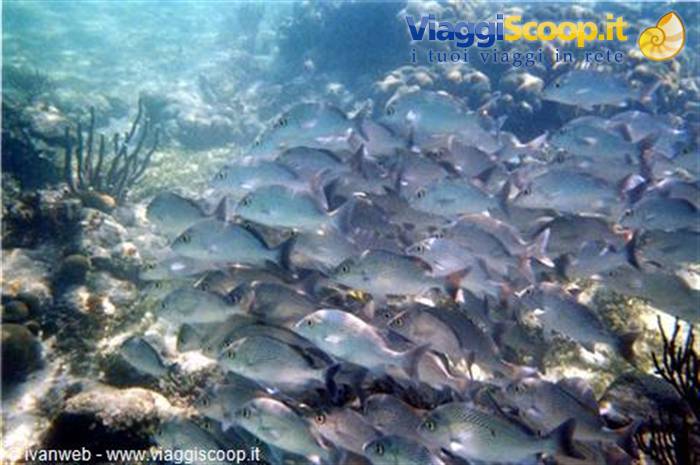
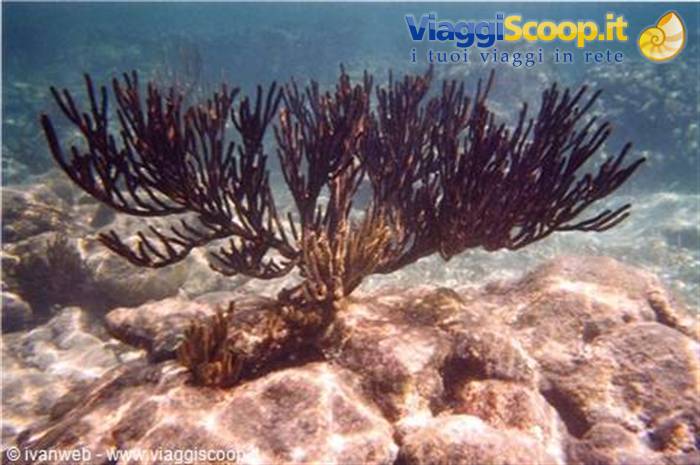
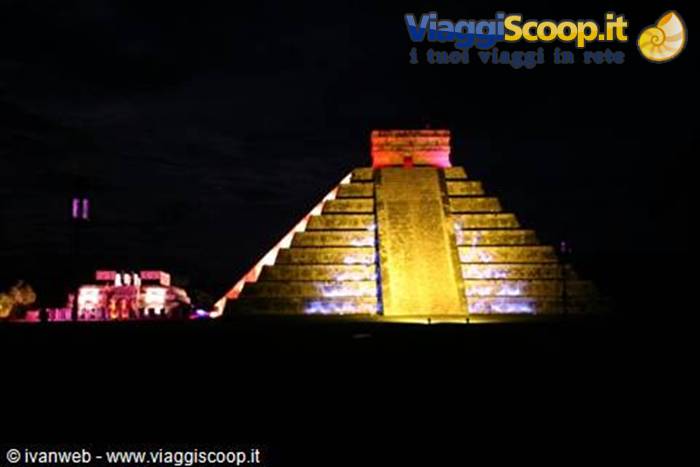
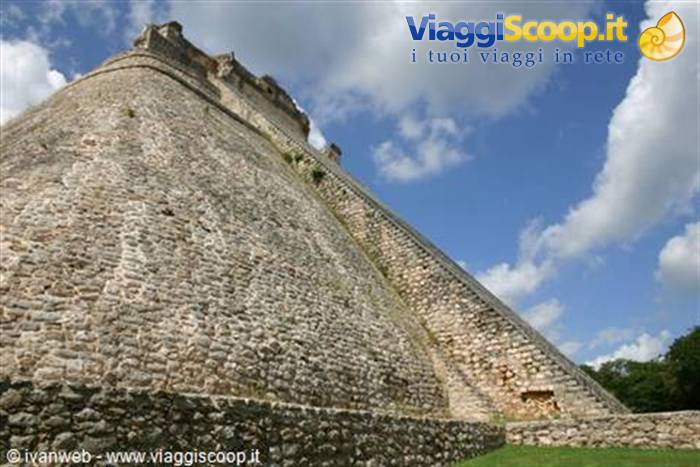
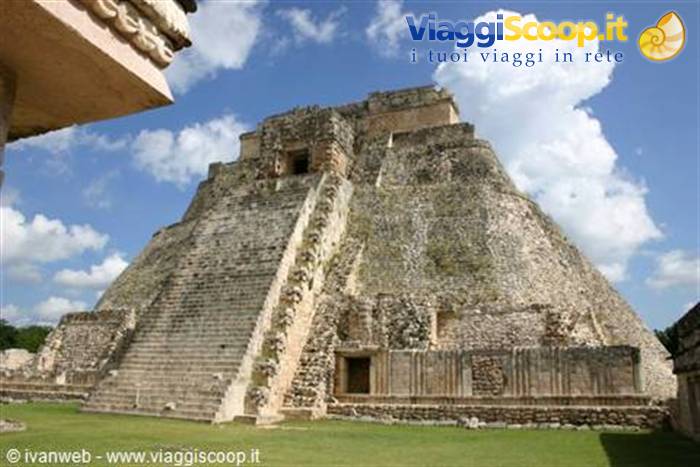
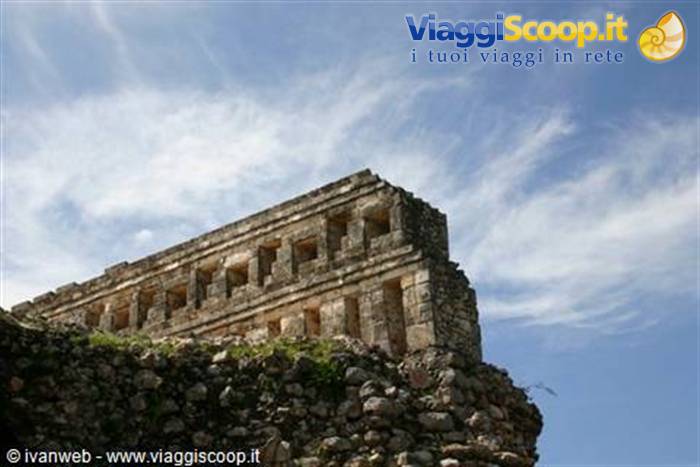
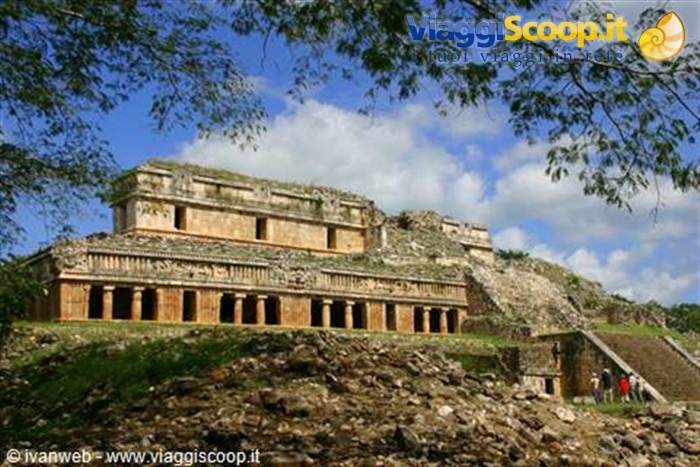
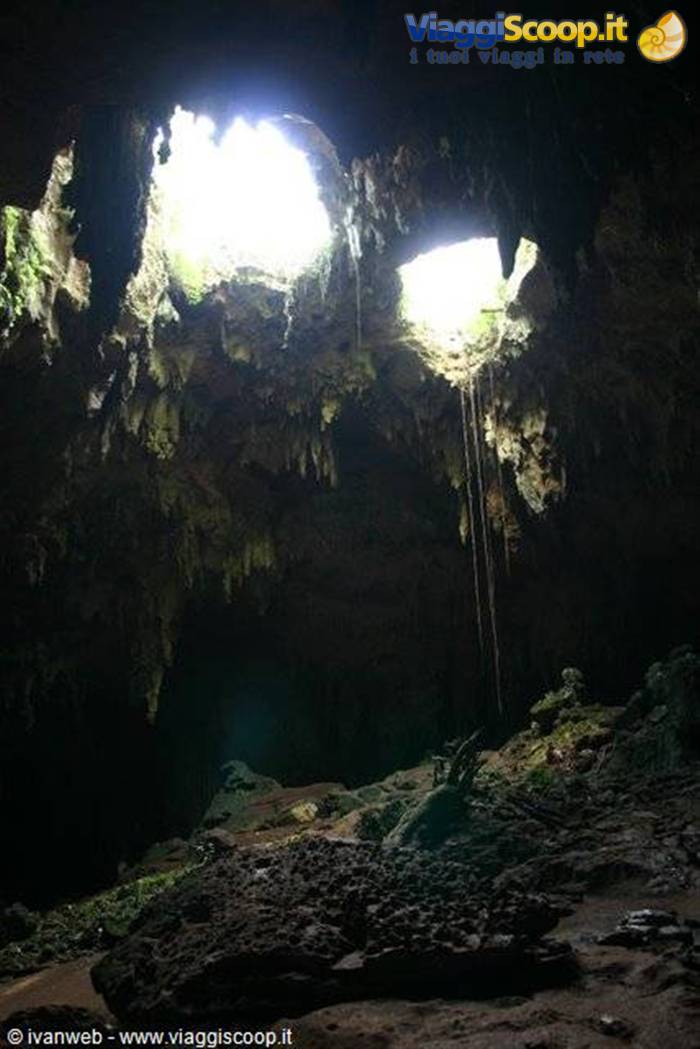
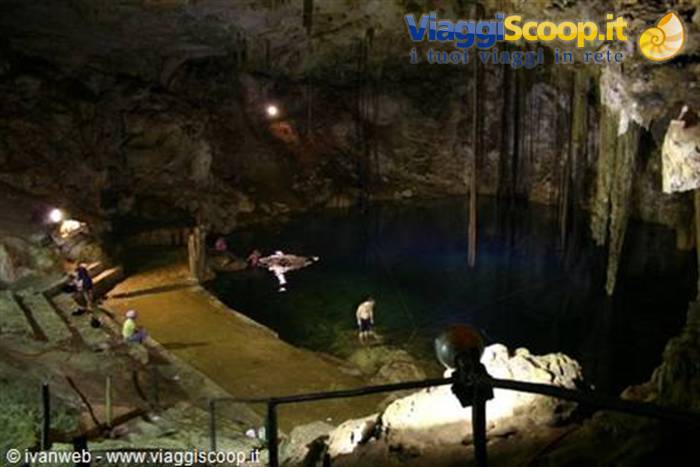
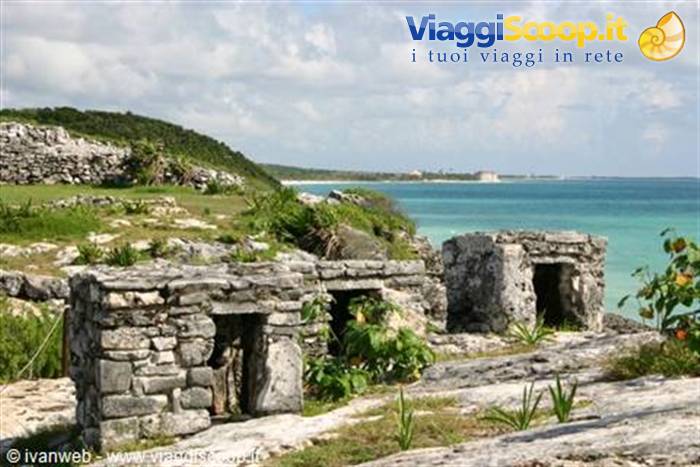
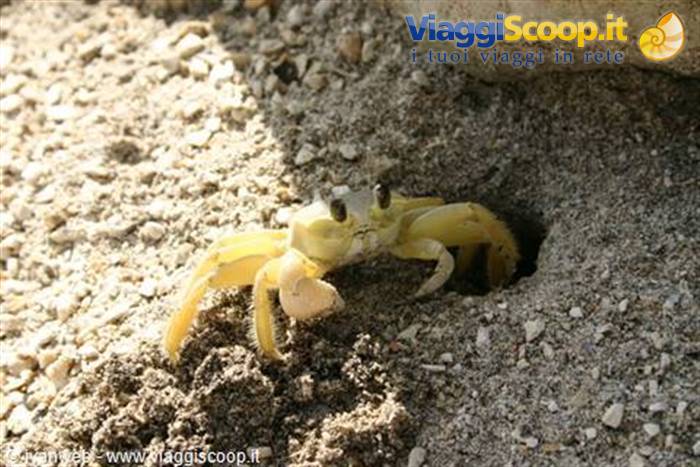
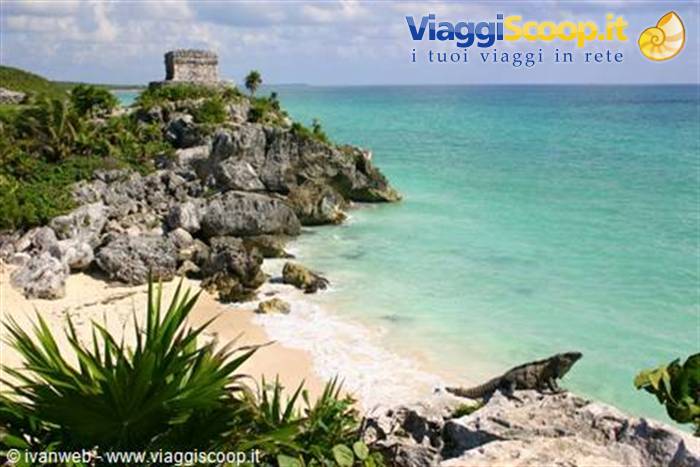
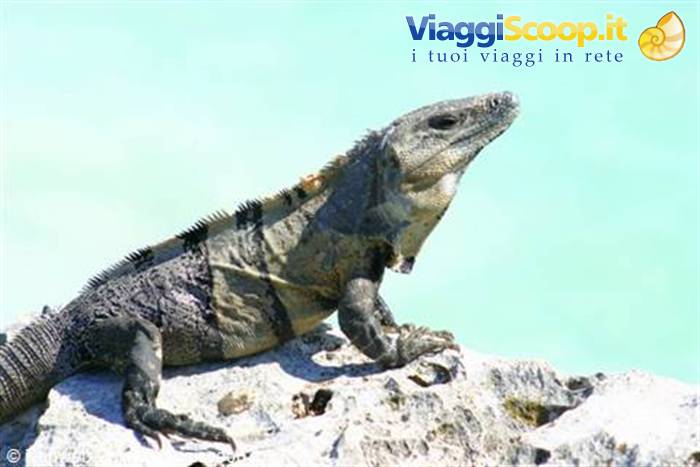
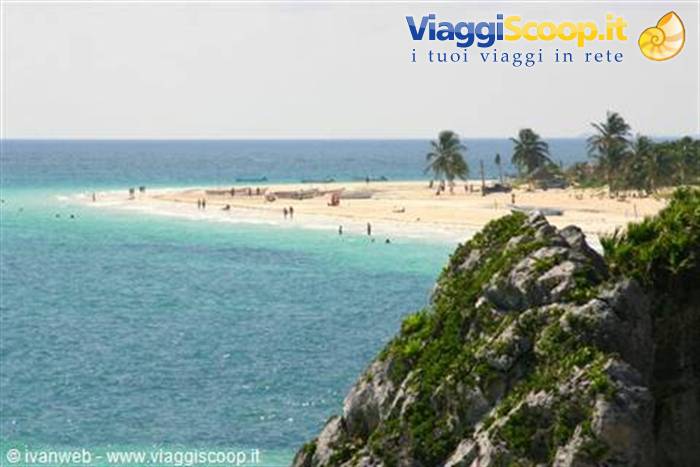
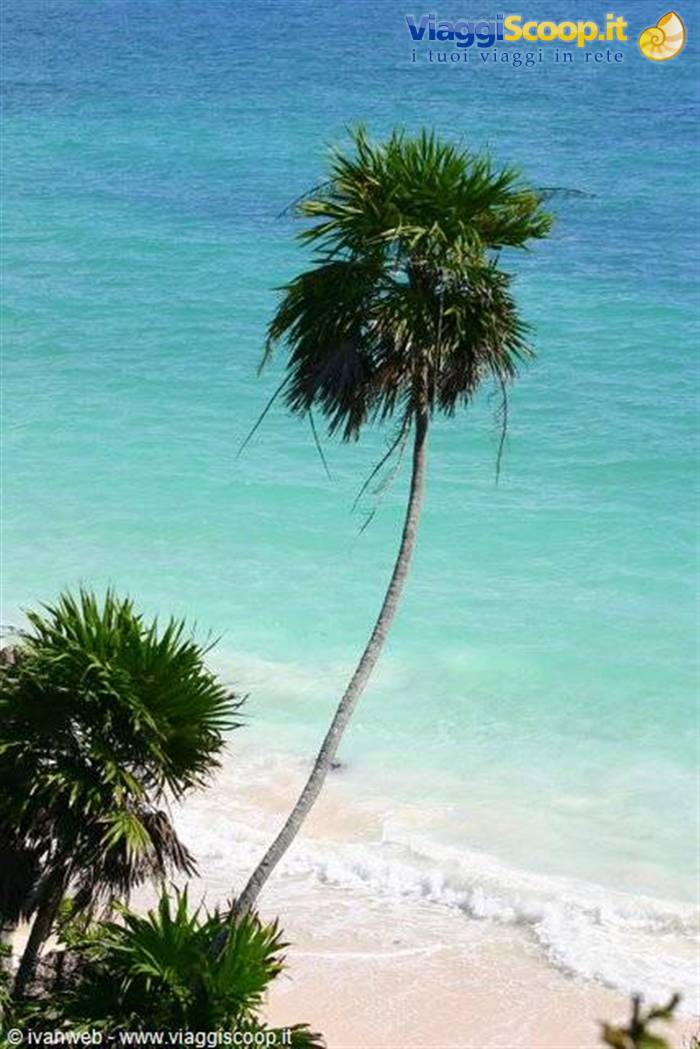
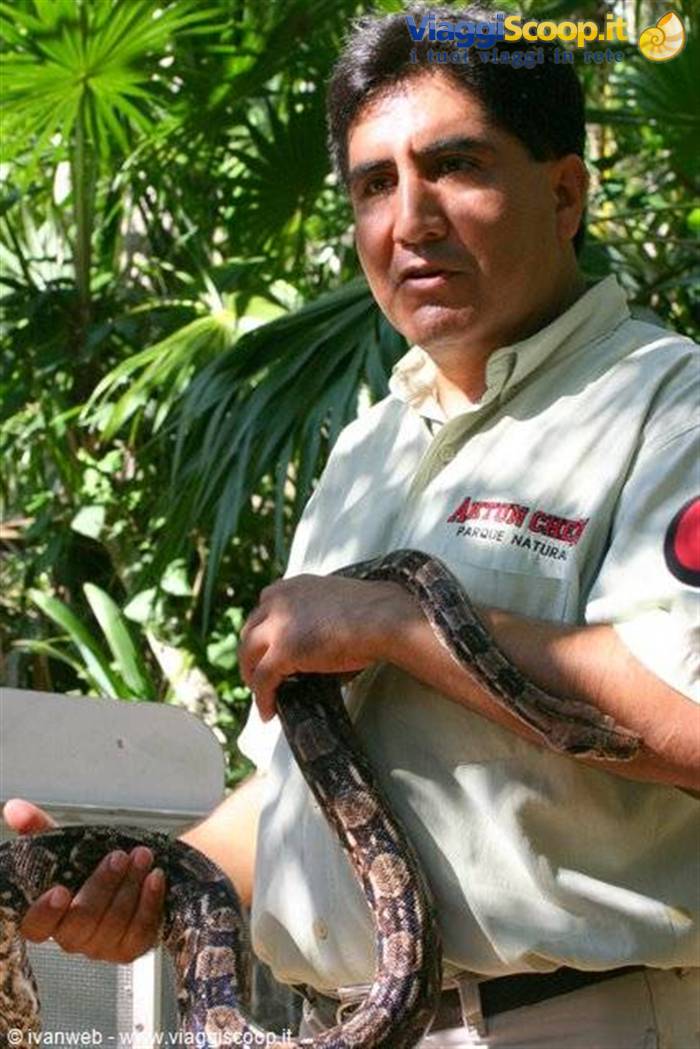
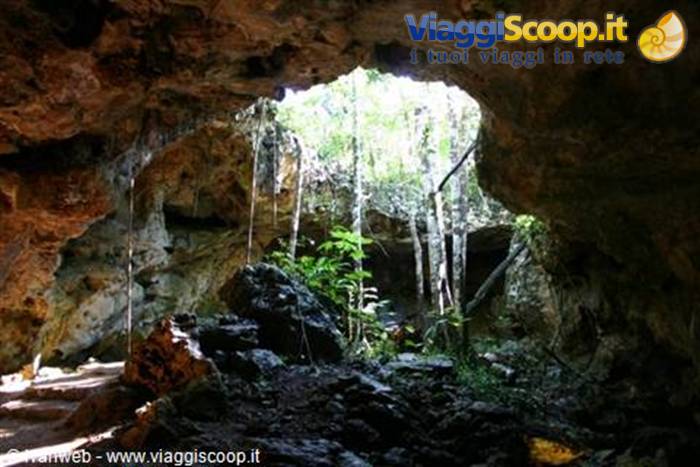
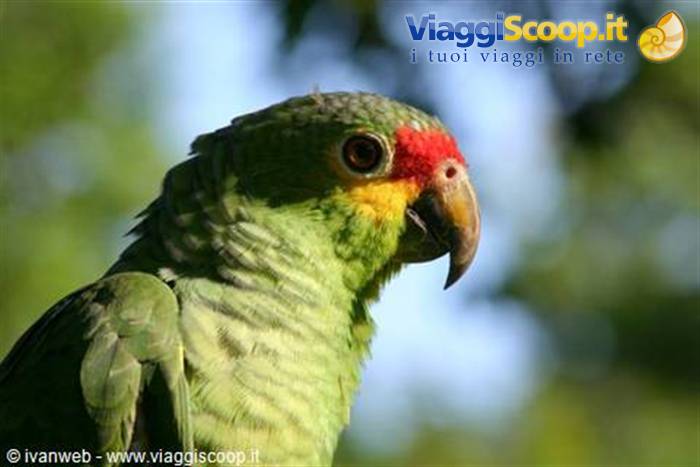
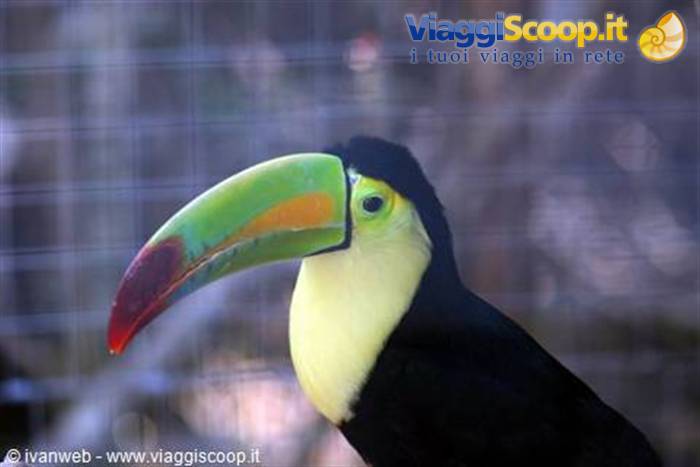
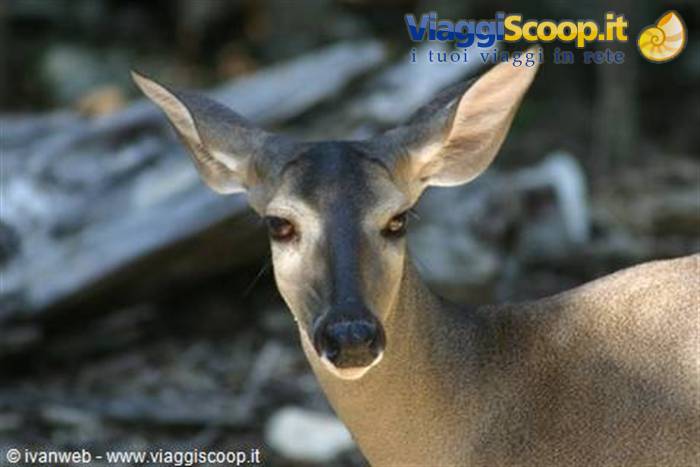
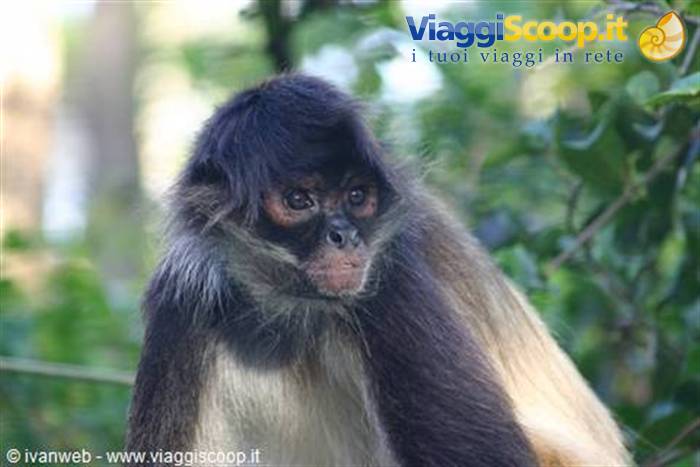
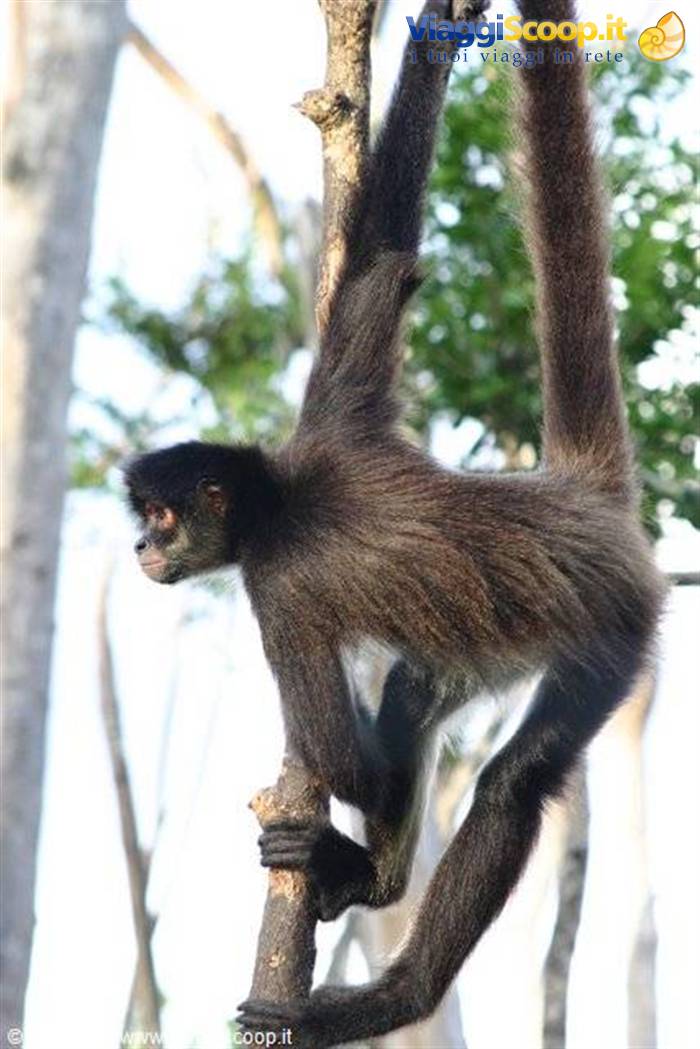
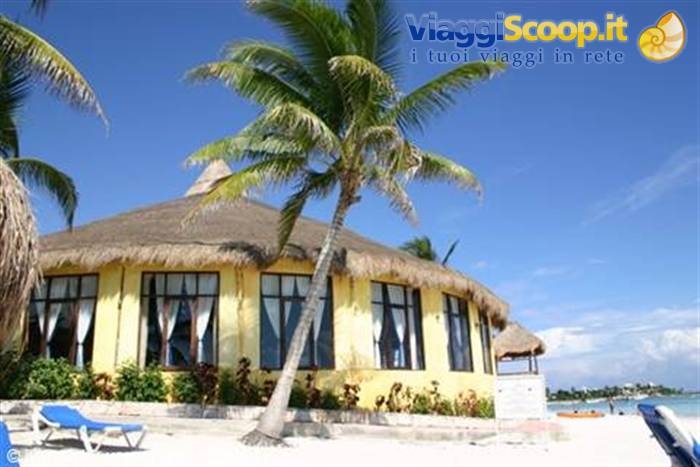
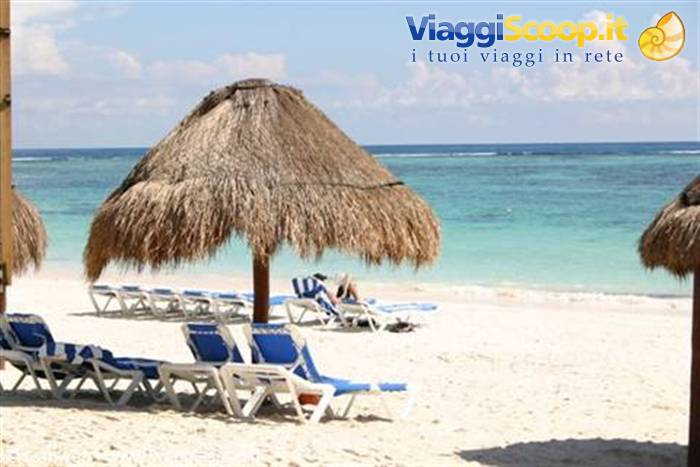
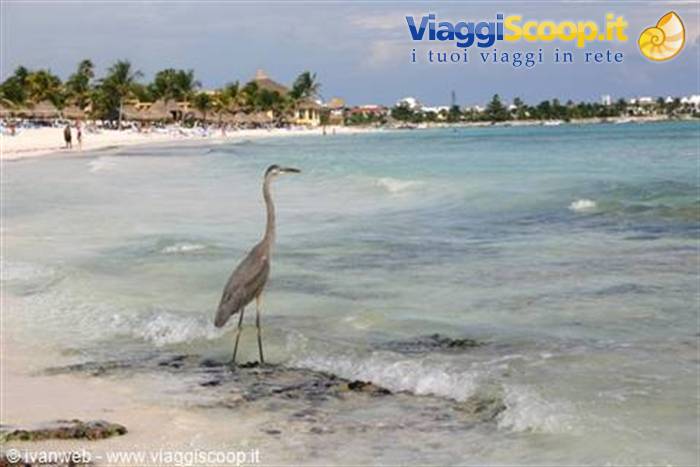
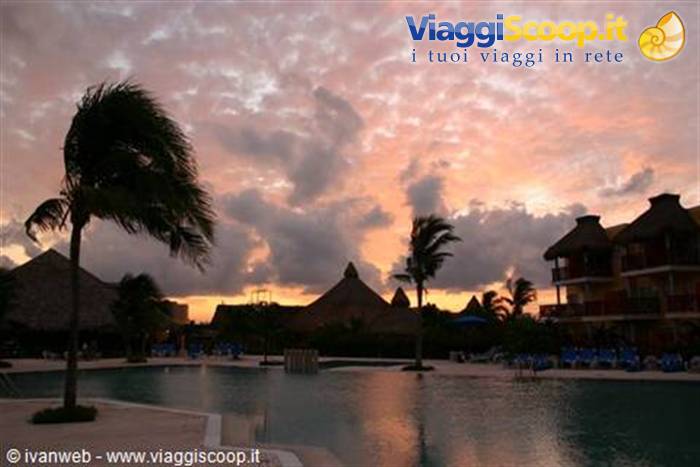
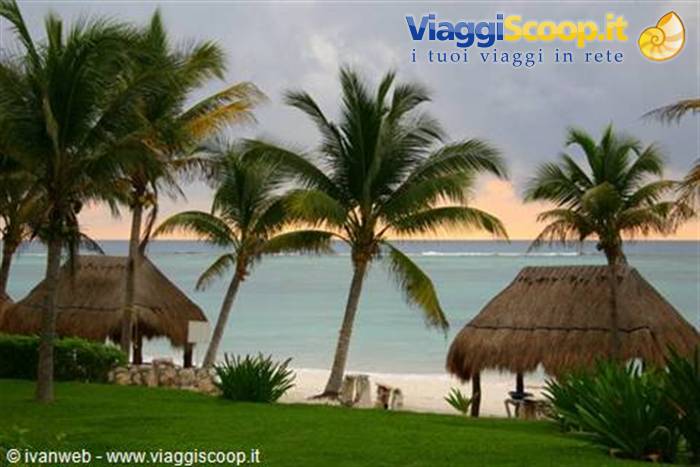

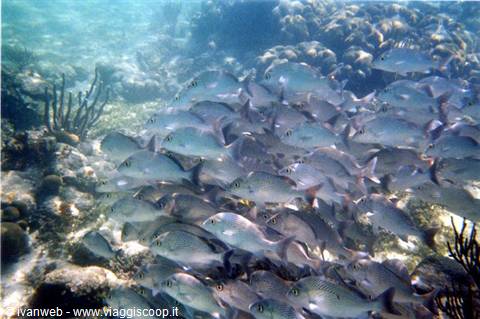
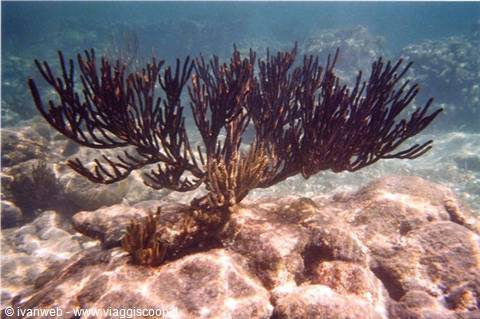

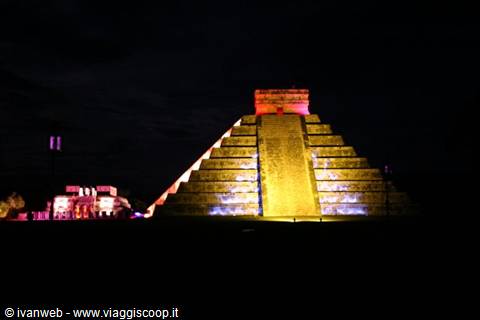
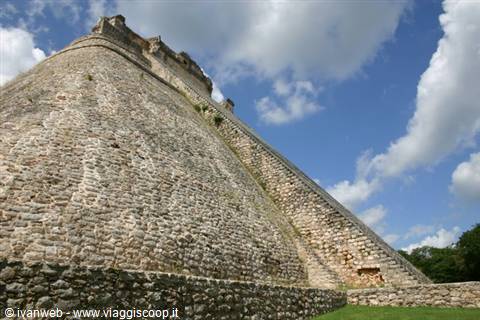

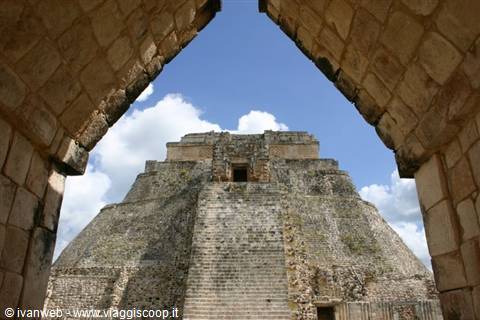
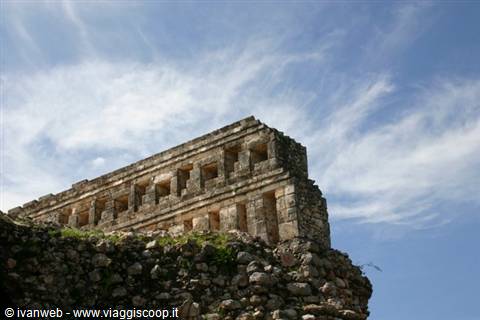
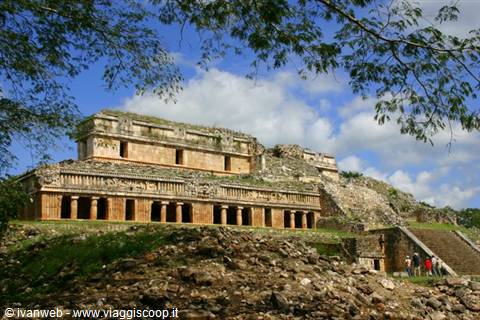
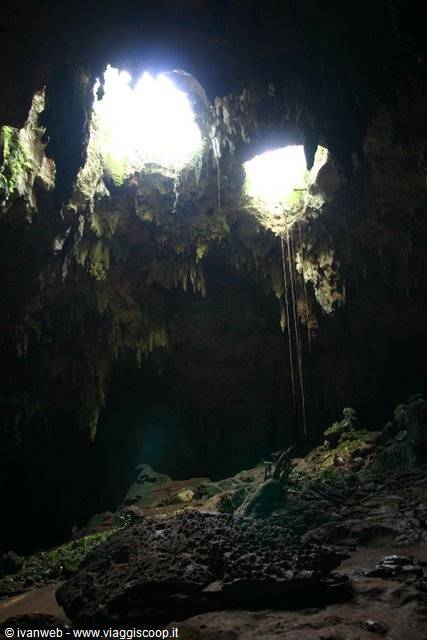
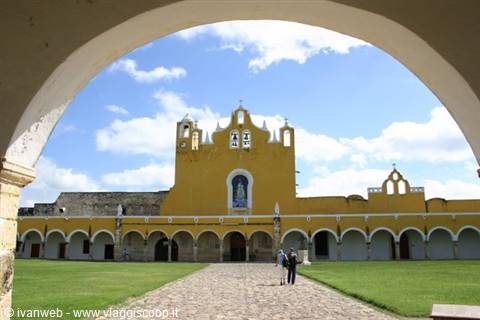
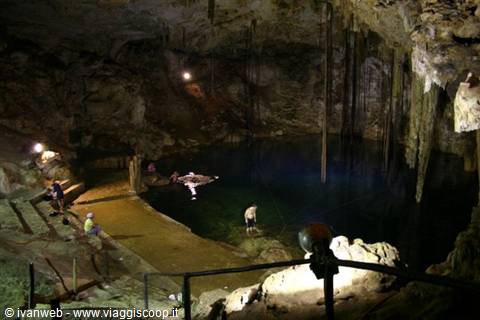
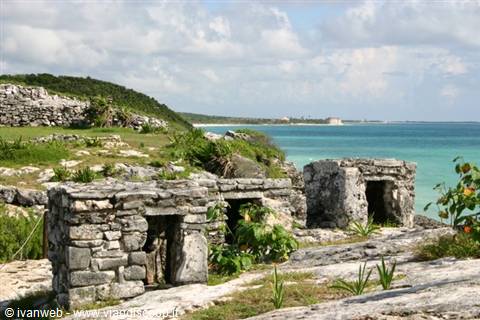
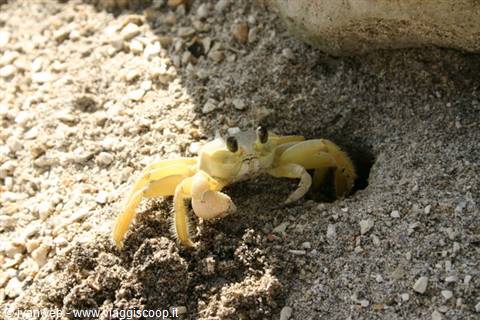
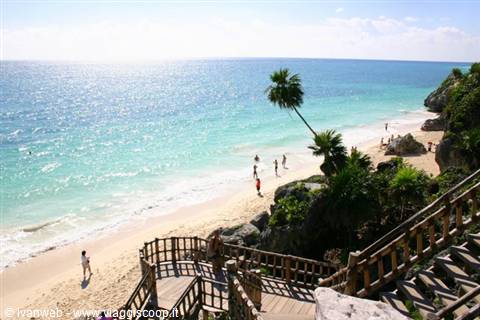

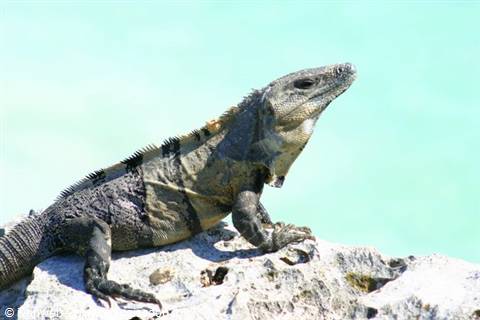
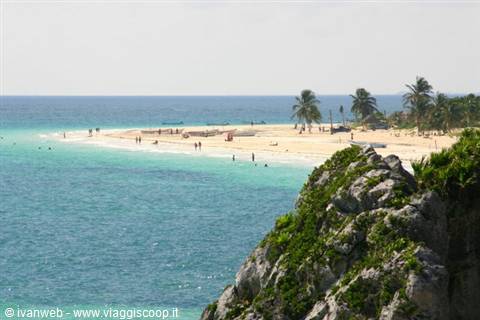
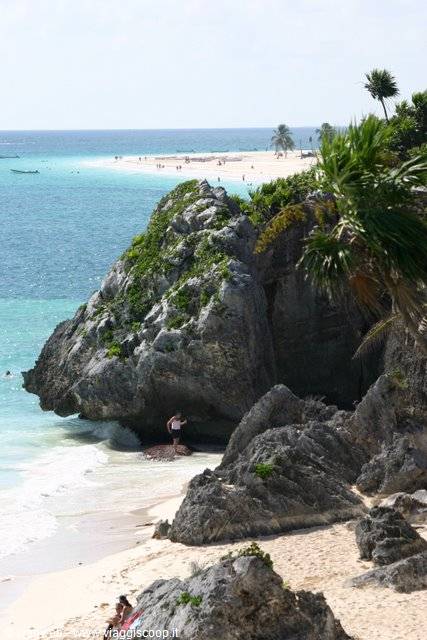
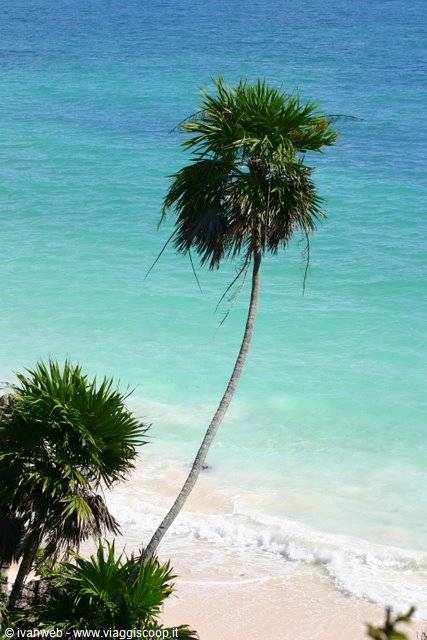
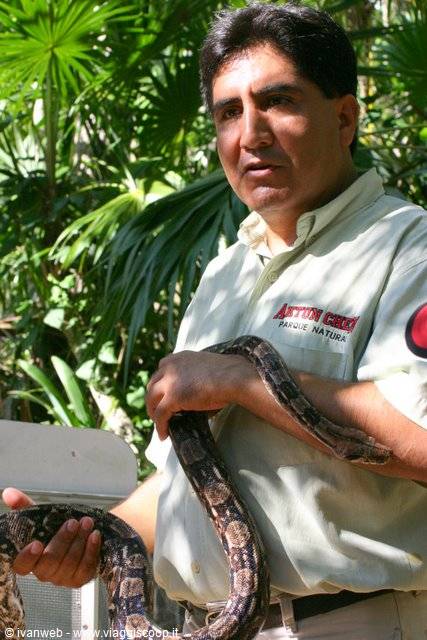
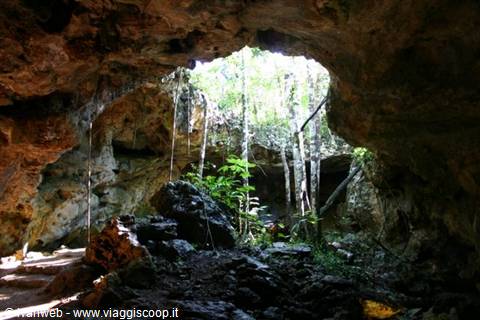

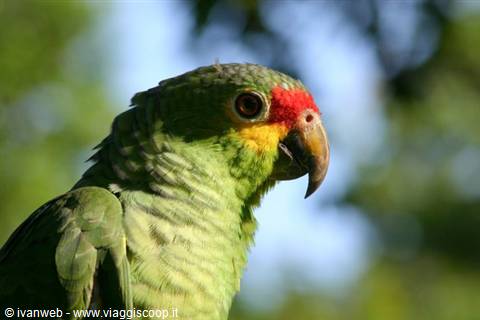
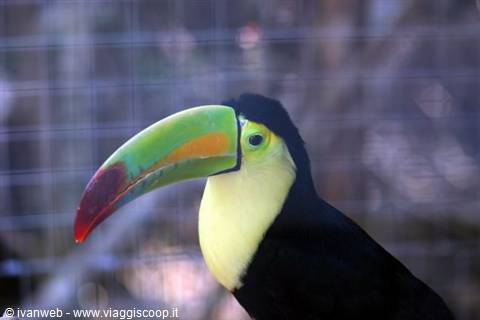
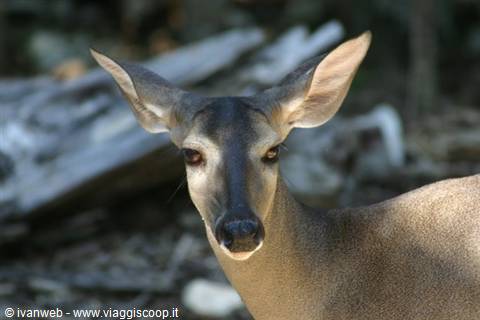
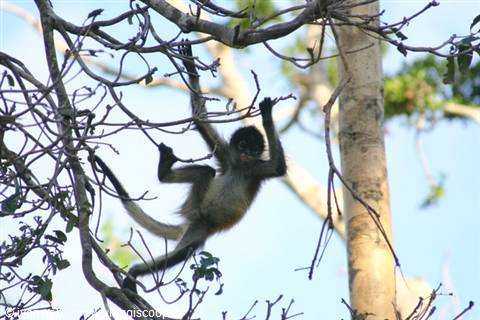
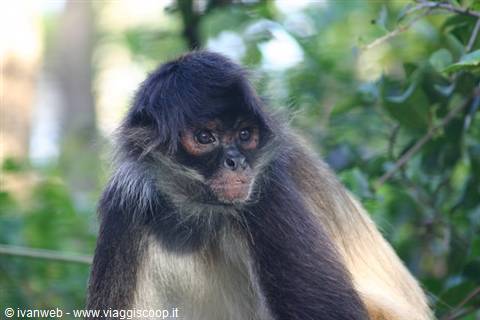
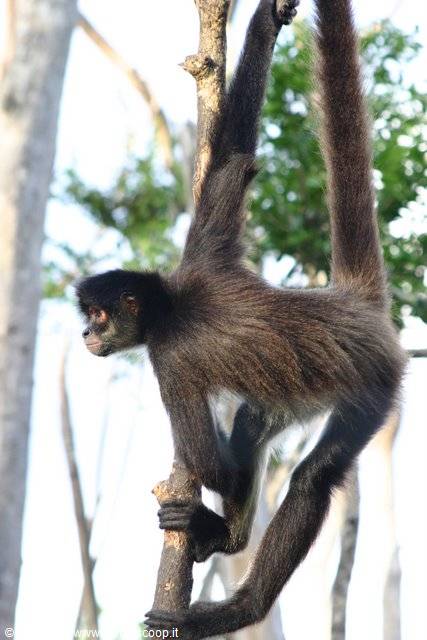
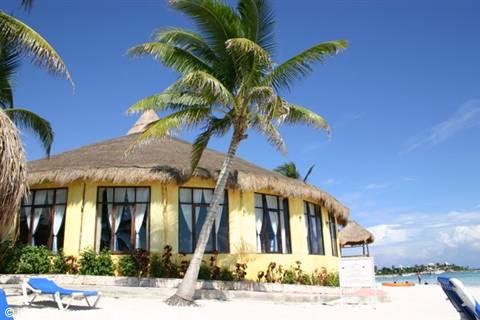
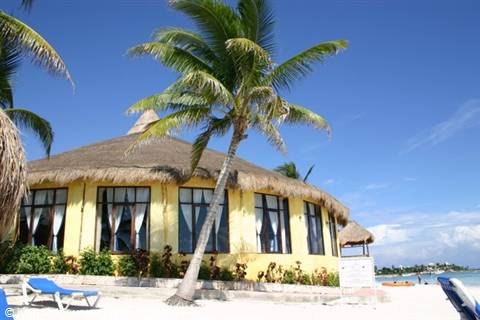
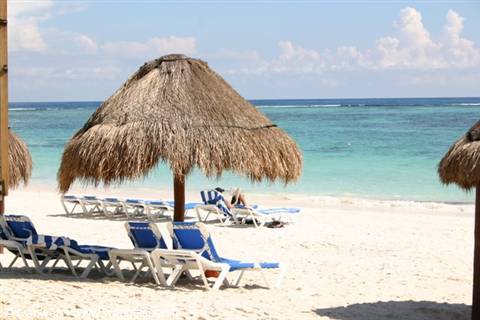
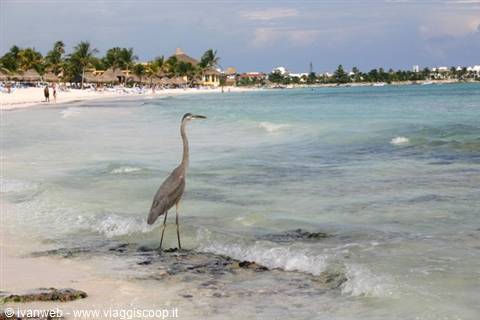
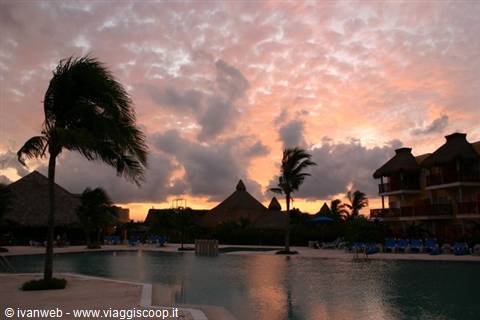

0 reader comments