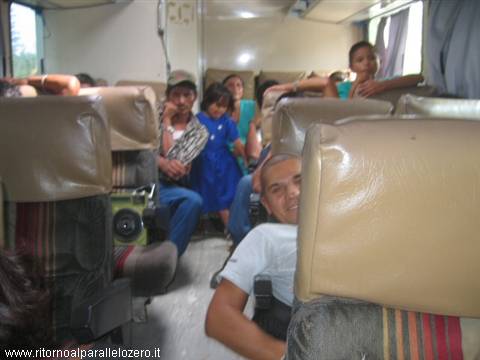
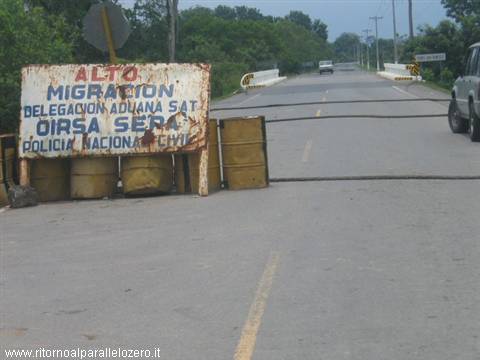
The cities of the Honduran coast The journey to reach Honduras turned out to be anything but easy. Once we left Tikal, on a bus headed for Copan Ruines, we got off at Ruidosa, a small town on the border between Guatemala and Honduras (but still in Guatemala!) and from there we started asking around about how it might be possible to cross the border. Insistent rumours said that the easiest method was to take a colectivo (it's a pickup truck that can carry about ten people, although in reality it carries many more!) and afterwards a taxi. So that's what we did; we climbed into the pickup and trusted the driver to drop us off somewhere near the border. At this phantom place we gave in to the comfort of a taxi that, for an altogether honest sum, finally got us across the frontier with Honduras.
What struck us a great deal was the immense duty-free zone between Guatemala and Honduras: an immense no man's land, kilometres long and carpeted everywhere with pineapple and banana plantations. The taxi left us in the first town beyond the border... as often happens, in this case too the word "town" was a gross exaggeration. It was more than anything a sparse little cluster of houses, with no paved roads and sunk in a sea of mud. No sooner had we set foot on the ground, or rather in the mud, than we were mobbed by the "money changers", often very young kids who wandered around with wads of banknotes in their hands asking if we wanted to change some local currency.
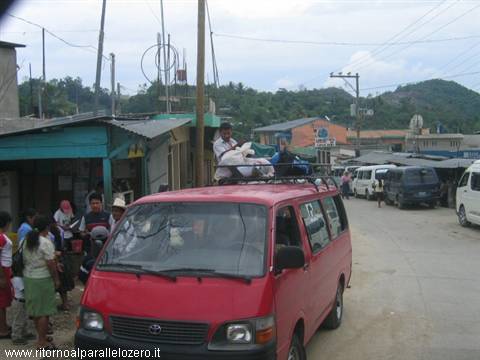
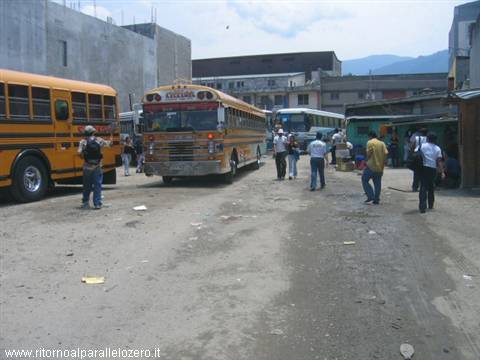
We quickly found out when the next bus to the coast would leave and then we sat down to wait. After about half an hour of waiting, the shape of a bus emerged from the mud, and more than a bus it looked almost like an armoured vehicle, with very wide, specially shaped wheels and decidedly sturdy bodywork. After an initial moment of astonishment, we understood the reasons for such a design: the road to reach "civilisation" turned out to be long, but above all unpaved and rough, littered with potholes, bumps and stream fords.
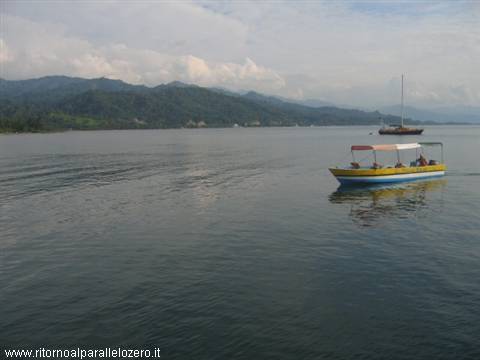
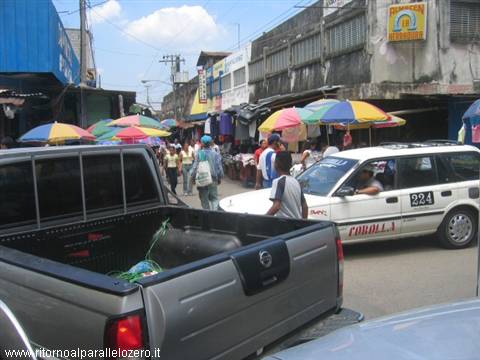
Our destination was a little seaside town called Omoa, where we had planned to spend a few days enjoying the beach and the sea, since according to our information Honduras has one of the largest coral reefs in the world, second only to Australia's. To reach Omoa, we endured a good three hours of rough road, arriving at our destination exhausted. On our arrival we already knew where to stay, and once off the bus we found a strange pedal vehicle that served as a free taxi to the hostel we had chosen (in reality it was the only option). With no small effort the driver of the "rickshaw" completed his task in a lake of sweat, but in the end we managed to settle in and in a flash we were already ready to head to the beach! Our expectations were high, perhaps too high, and as usual they are made to be disappointed...
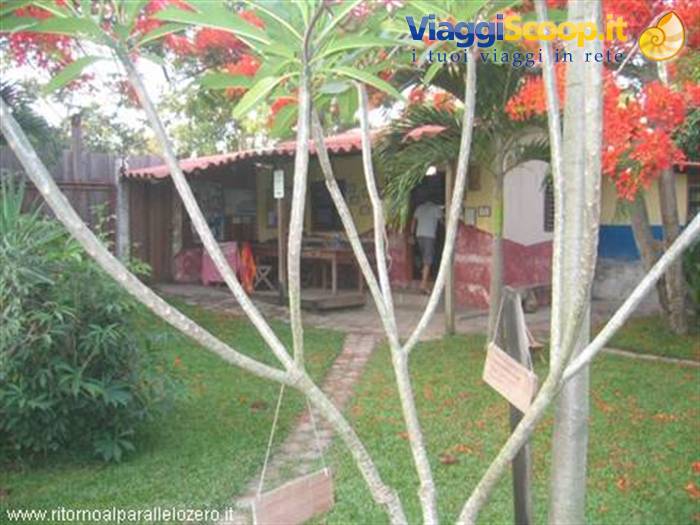
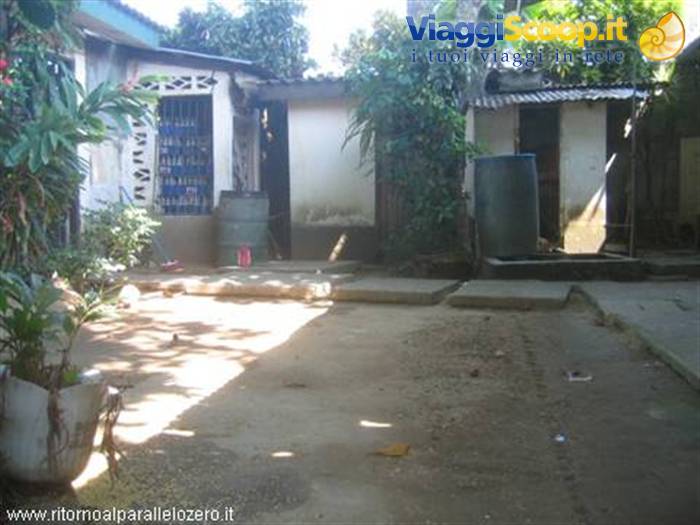
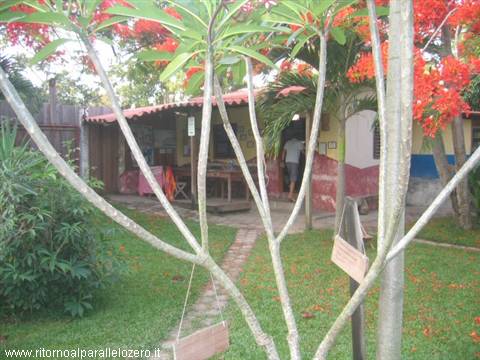
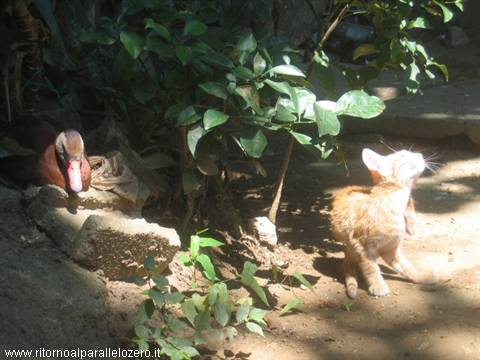
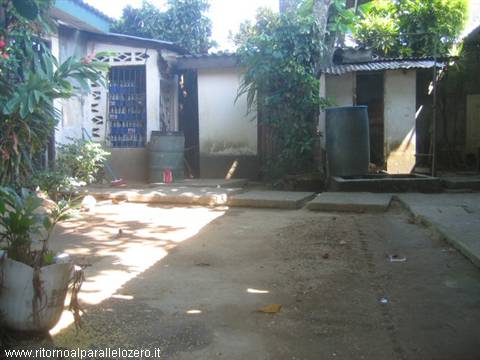
that's exactly how it was! The beach had nothing Caribbean about it, it was dark and poorly kept, with works in progress... shameful! Luckily the water seemed clean, but that certainly wasn't enough to satisfy our desires. After this harsh contact with reality, we spent half an hour on the pier, in the company of noisy children trying to catch a few little fish for dinner. We too, with dinner in mind, went back to the hostel to take a shower. Our lodgings were an old wooden building, set in a truly verdant and well-kept garden (perhaps more so than the building itself!).
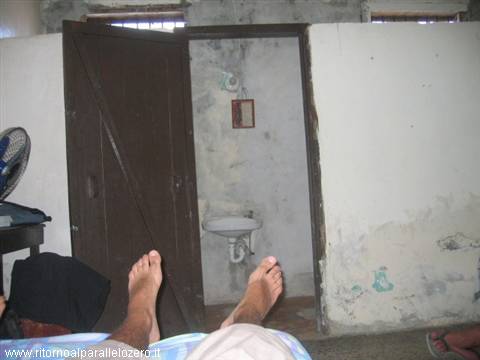
Maybe also thanks to the complicity of this lovely garden, our dorm was literally infested with colonies of arrogant, ravenous mosquitoes: devastating! Fortunately our suffering was shared by three other unfortunate companions, a Dutch woman, a Swiss woman and an English woman: we were all in the same boat and we were sinking fast. These precarious conditions made us decide to pack up and leave the following day. To console ourselves we went to have a slap-up dinner, entirely fish-based: juicy! Dinner was followed by the usual digestive stroll through the little streets of the town in absolute tranquillity.


0 reader comments