The last part of our stay in Vietnam took us to visit Ho Chi Minh City (Saigon), the ancient capital of the state. Of course to get there we used the usual bus, but for an almost negligible duration: "only" ten measly hours. As soon as we arrived, the first problem we faced was finding a worthy dwelling for our tired limbs. Unlike usual, the bus didn't stop in front of a hotel, but at the most classic book office. Backpacks on our shoulders and in search of a hotel... the problem is that at six in the morning everyone is sleeping and it's hard to find an accommodation. Fortunately Madame Cuc came to our aid and all her staff strictly female in Moulin Rouge style.
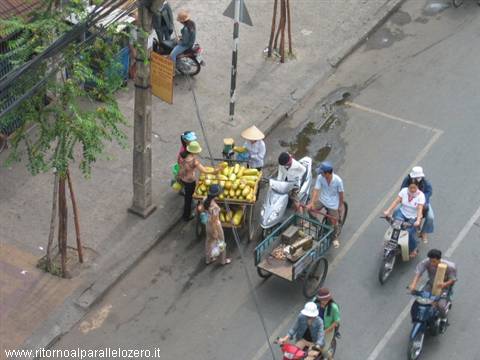
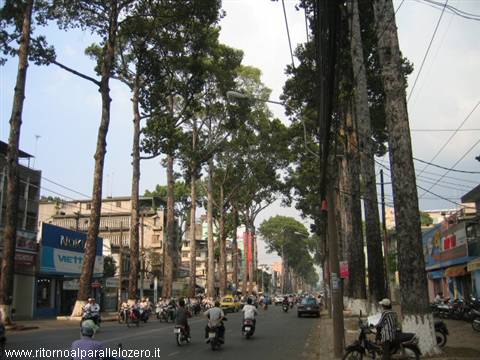
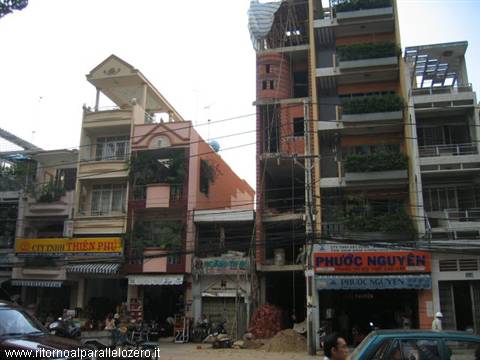
This is not simply a good hotel apparently a bit expensive (20 dollars), but including breakfast, dinner and unlimited banana shakes! Unfortunately the dinner turned out to be a bit monotonous, noodles and spring rolls as if it were raining. Saigon is a city different from those seen previously. It is made up of a mix between modern buildings and classic Vietnamese dwellings, on the verge of a shantytown. But it is really huge, continuously expanding, a first outskirts made up of newly built buildings in European style.
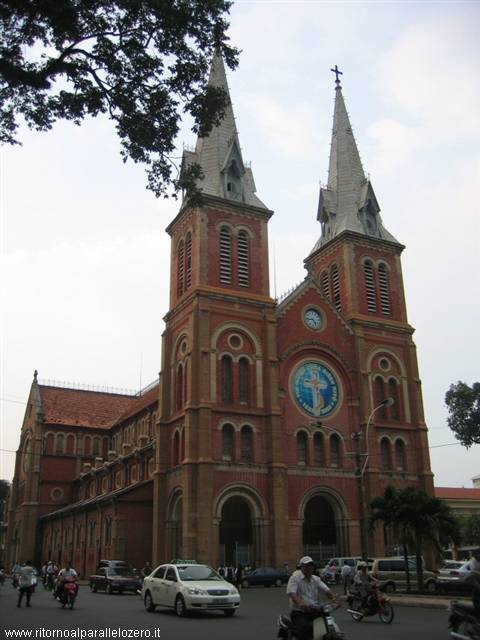
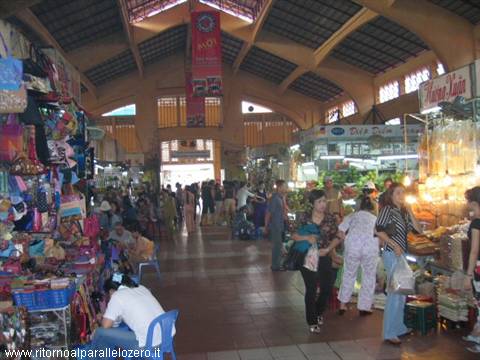
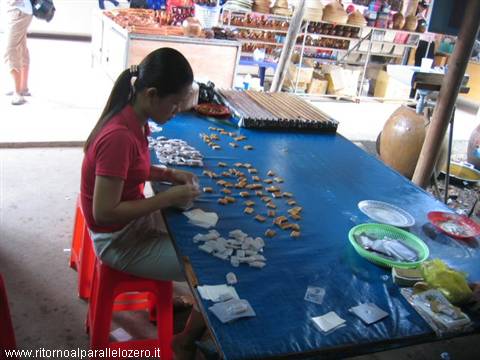
Our stay lasted only two days but despite this we were able to essentially grasp the spirit of the city. In detail, we first headed to the Chinese quarter (nothing special), then aimed towards the Independence Palace and its gardens. The palace is one of the symbols of the war that tormented Vietnam around the '60s-'70s and is surrounded by a huge garden fenced all around. Not far away is the Notre Dame Cathedral, already seen in many documentaries about this country. Indeed it makes quite an impression, very imposing and kept in excellent condition. New day, new destinations: the market in classic Asian style and the war museum. The market is really interesting and intricate, super crowded. To navigate the labyrinth of all the thousands of stalls that make it up, you would need a compass. Inside you find everything, from clothing, to jewelry, ending with dining...
many people sleep there, live there and work there... incredible the size of some stalls that you can find inside; sometimes the walkable space isn't even enough for the owner himself who in fact sits on top of the merchandise. The museum turned out to be really interesting, perhaps almost impressive for its raw and naked reality. It is divided into six pavilions, rich in photos (well-known and lesser-known) in color and black and white that guide the visitor step by step through the daily life of a war. Some military vehicles and related weapons are also on display, as well as some of the most abused and heinous torture instruments. In the end if the purpose is to make people understand what war means, they fully succeeded.
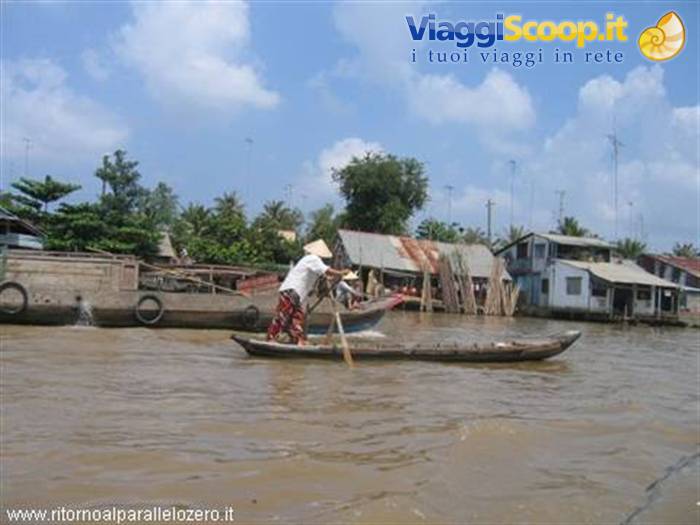
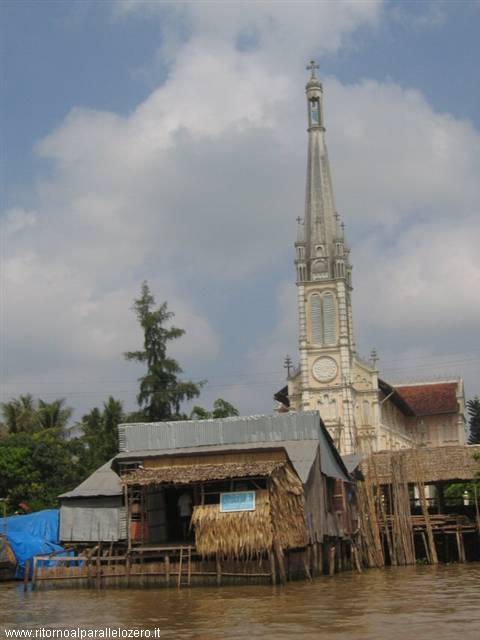
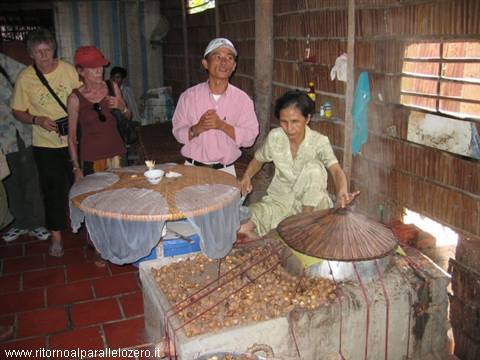
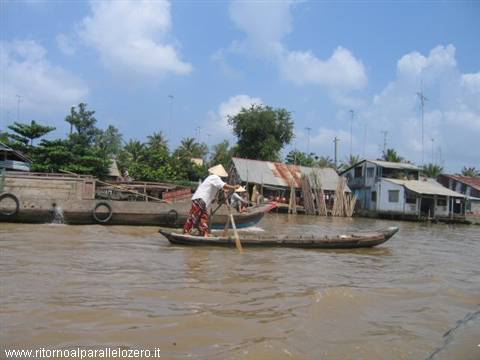
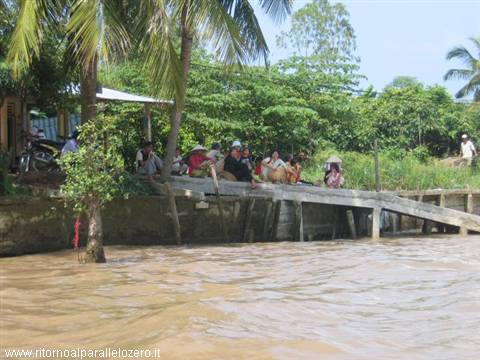
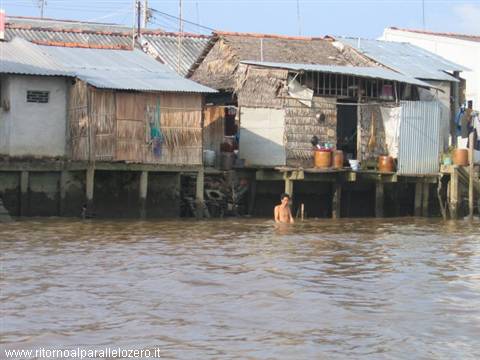
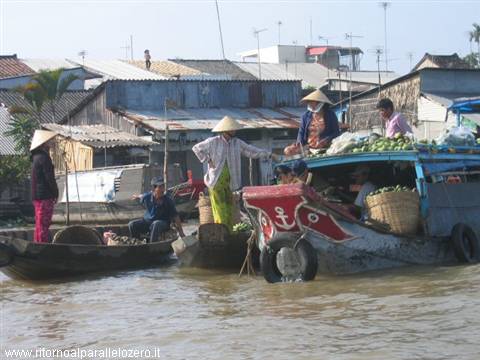
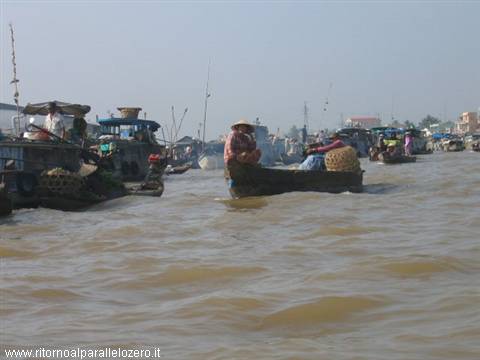
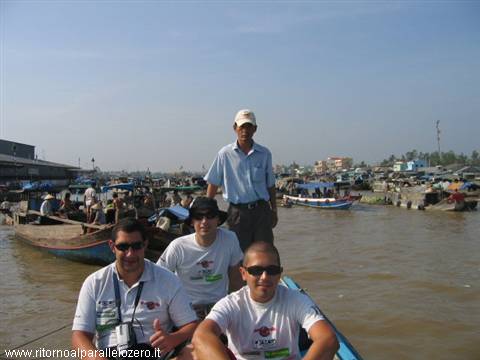
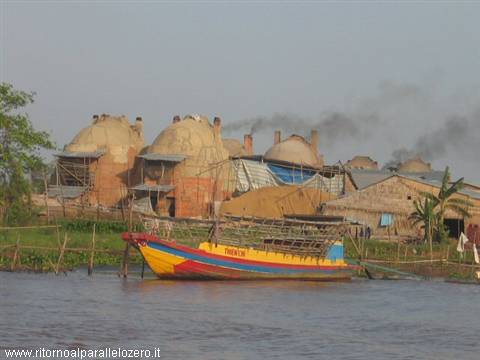
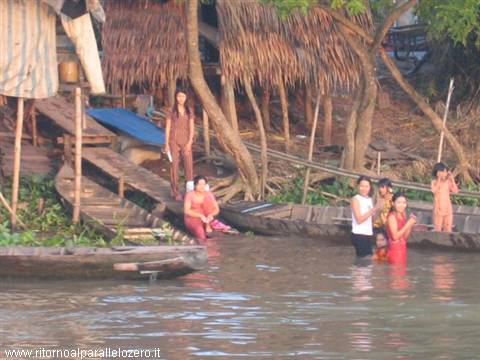
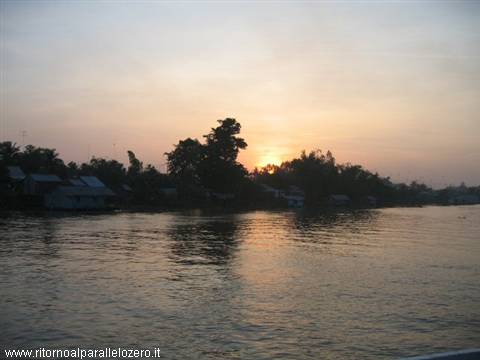
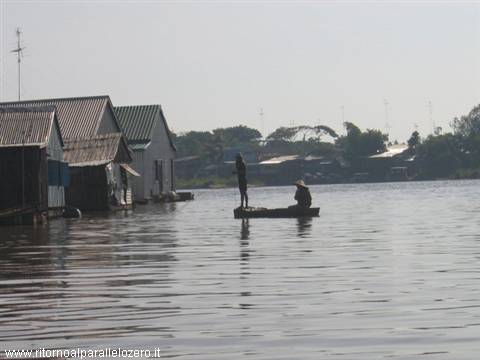
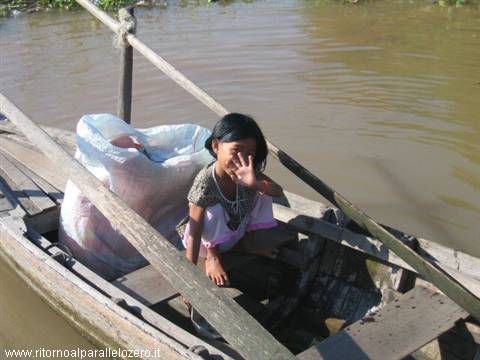
The following morning we left Saigon for a tour that took us to visit the Mekong delta, the largest river in Southeast Asia which flows precisely into southern Vietnam. This is three days spent between small boats and buses in which we were able to realize the real living conditions of the inhabitants of the river. These people are deeply tied to the Mekong in the sense that they depend on it: they get from it the fish they eat, the water to wash and eat, and the main communication route. The dwellings along the river are built on small stilts with straw roofs and for the more fortunate sheet metal often in dilapidated conditions but people seem to lead an overall happy life devoting themselves to the processing of rice and coconut from which they extract the impossible. Another attraction of the tour is the floating markets, specialized in fruit and vegetables.
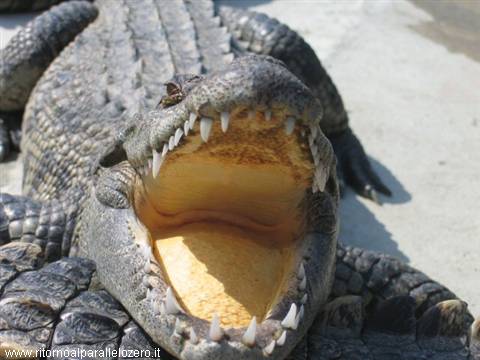
The market consists of an innumerable quantity of boats coming from every part of the Mekong, even from Cambodia. The people who dedicate themselves to this work spend their lives shuttling between the place of production and that of exchange, eating, sleeping and giving birth in their little boat. Strange but true the presence of a very large crocodile farm (ten thousand specimens) even though in reality the Mekong is totally devoid of them. Last stop a farm that raises fish obviously built on floating rafts in the center of the river, managed at a family level that all in all allows the owners to lead a dignified life.
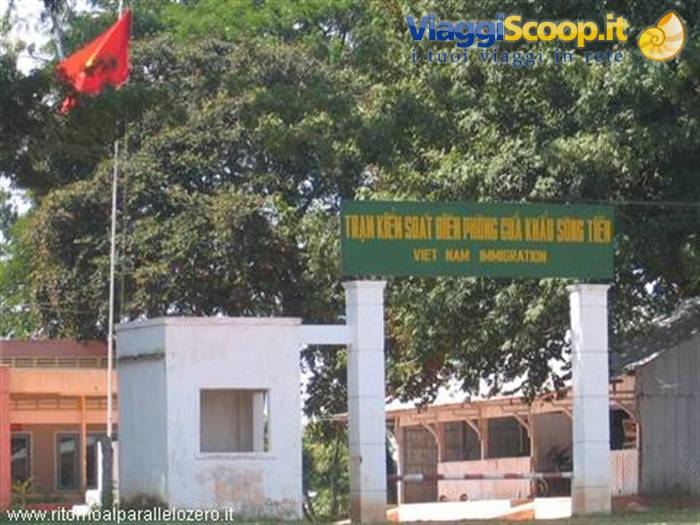
The tour then ended on the third day with the transfer to Cambodia. The usual ritual procedures to cross the border and here is our new destination!





0 reader comments