Day 113 Apr 2011
On the Mekong to Luang Prabang
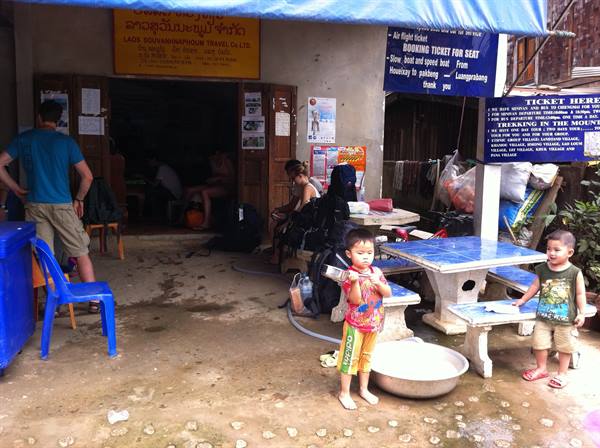
It's a small village, a dump if ever there was one (but then I would change my mind, there's worse), where together with another fifty or so backpacker tourists,
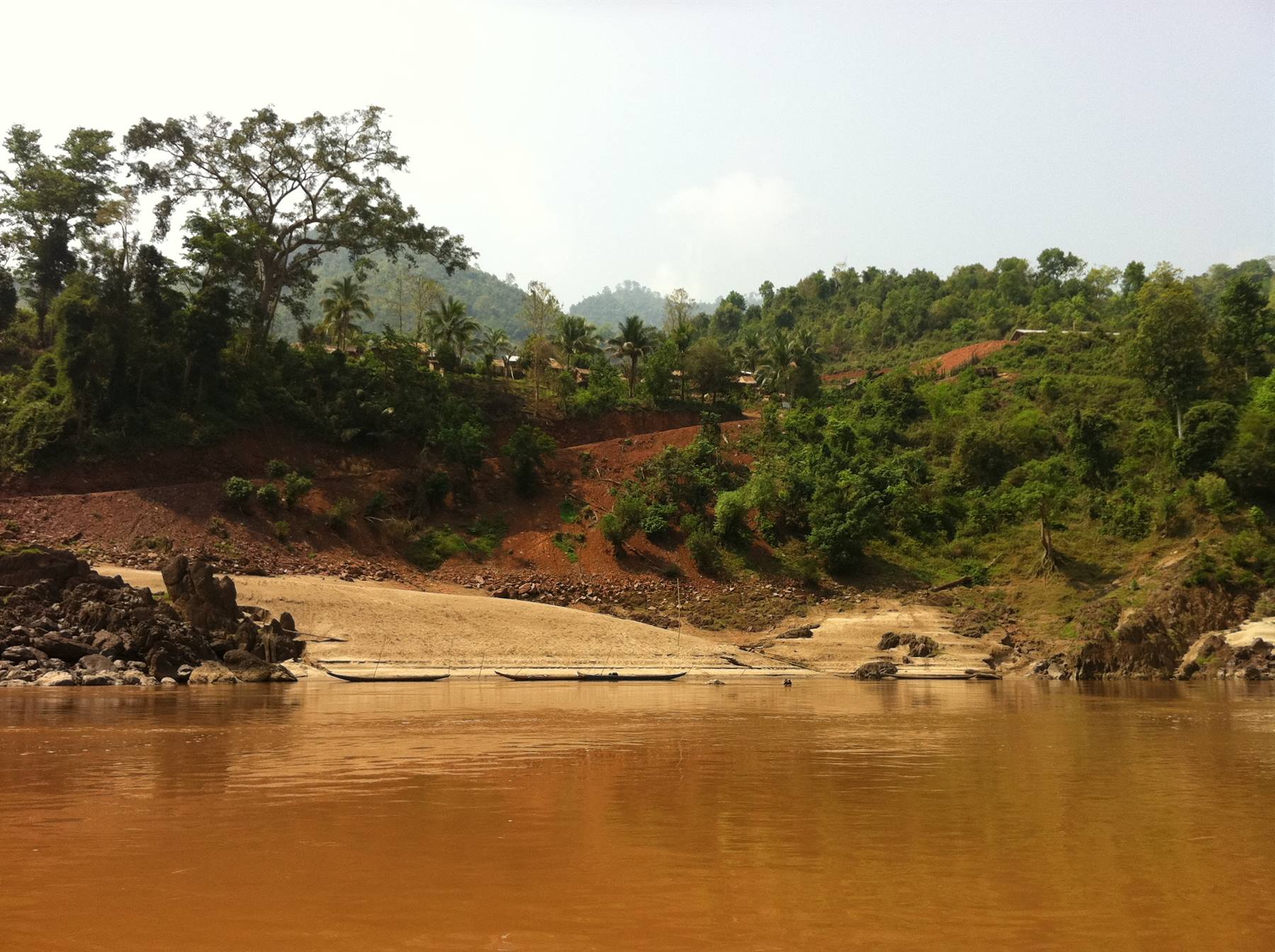
Having arrived in the extreme north of Thailand, we are ready to cross the Mekong and enter Laos. On the other bank the Laotian soldiers await us, who for 35 dollars stick a visa on our passport and give us a smile. We are in Huay Xai, in the extreme north of the country.
It's a small village, a dump if ever there was one (but then I would change my mind, there's worse), where together with another fifty or so backpacker tourists,
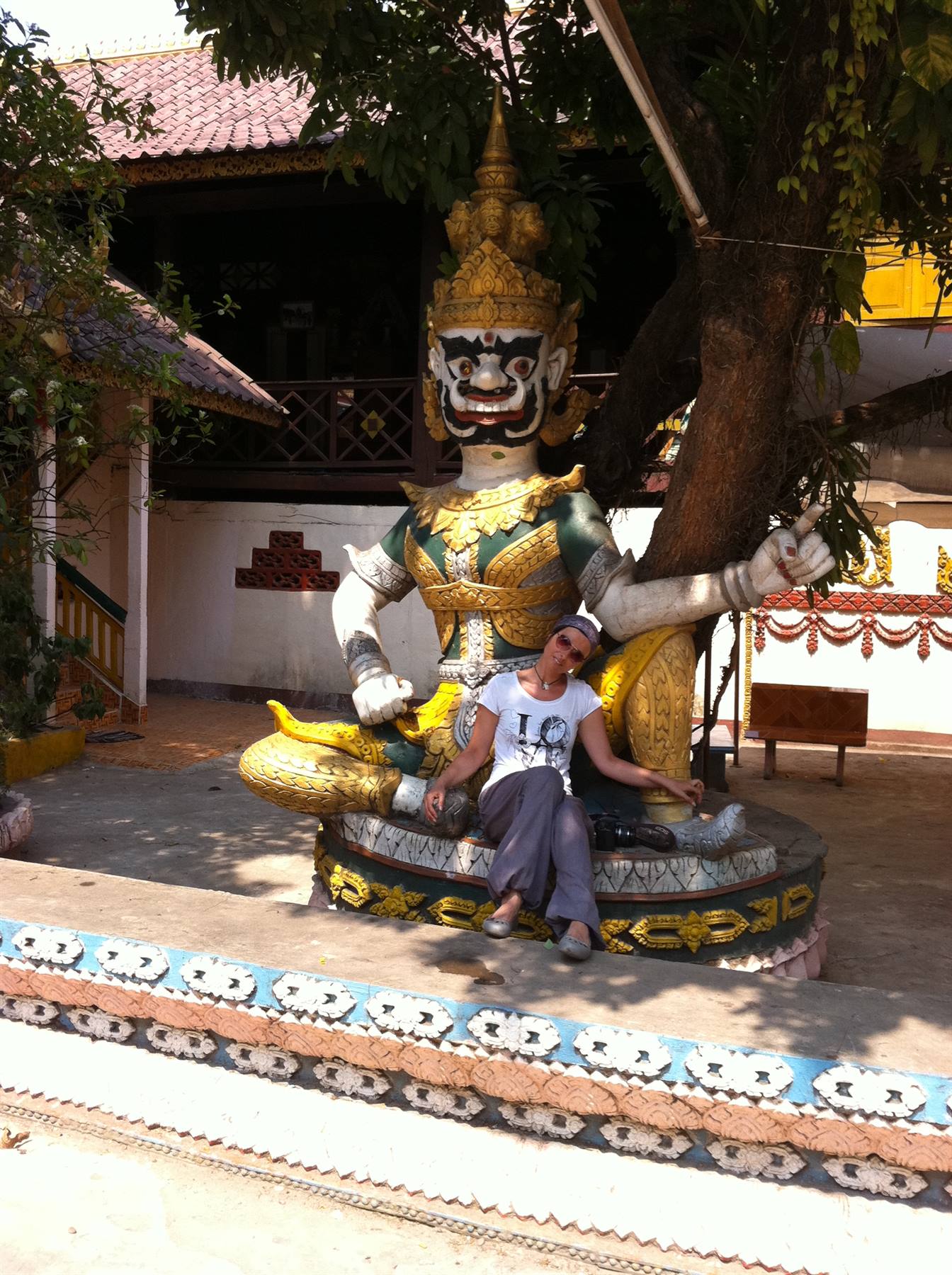
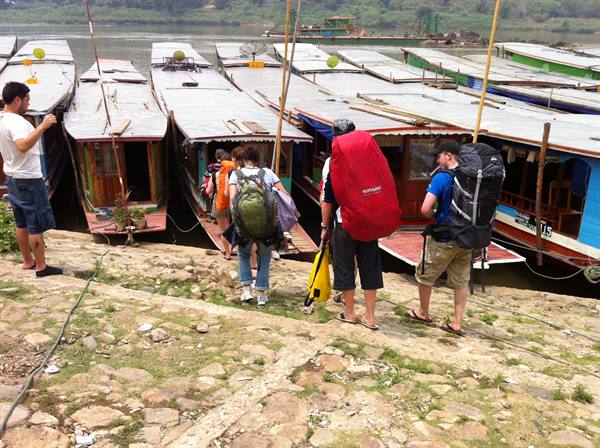
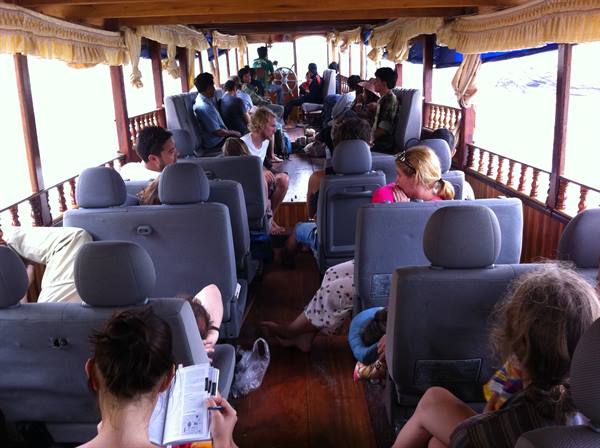
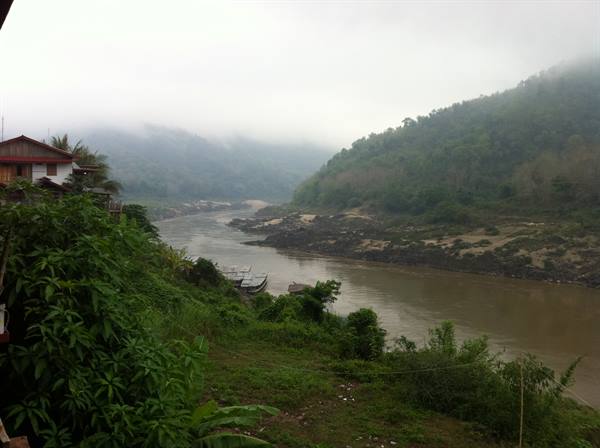
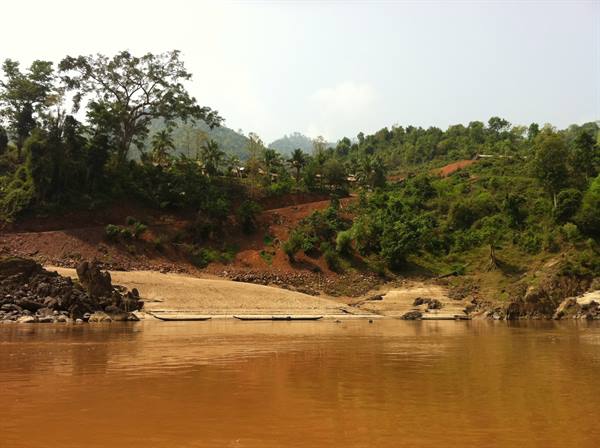
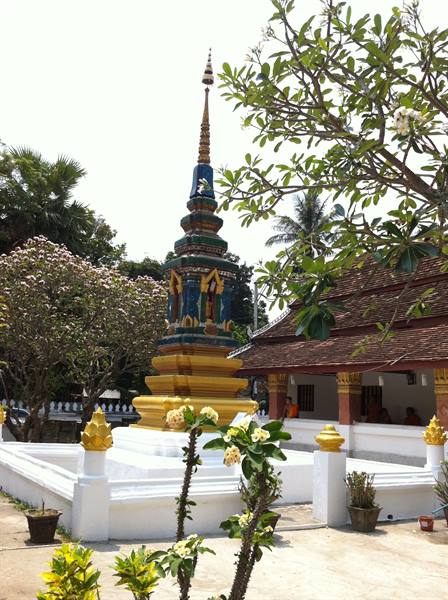
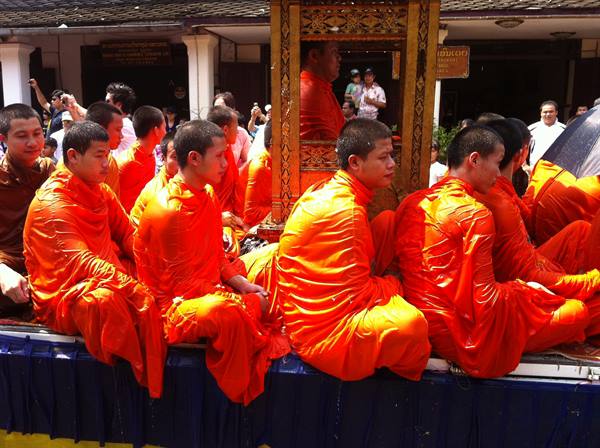
The next morning, shrouded in fog, we set off again in the direction of Luang Prabang. Eight hours of nav-igation on an ever more beautiful and luminous Mekong, finally kissed by the sun, and we arrive in what can certainly be considered the most beautiful city in Laos, and certainly one of the most beautiful in all of Southeast Asia. Luang Prabang, with its wats, its stupas, its many young Buddhist monks, its night market, the elephants, the waterfalls, the caves, the Asian black bears, is truly a spectacular place. Where, however, a terrifying water battle is raging. The journey from the pier to the hotel is a steady drip: at every stop the tuk tuk (a kind of Apecar with a flatbed that serves as a cheap taxi) gets flooded with water and when we arrive at our destination we, and the backpacks, are soaked. We will stay soaked for all three days that we choose to spend in the city.
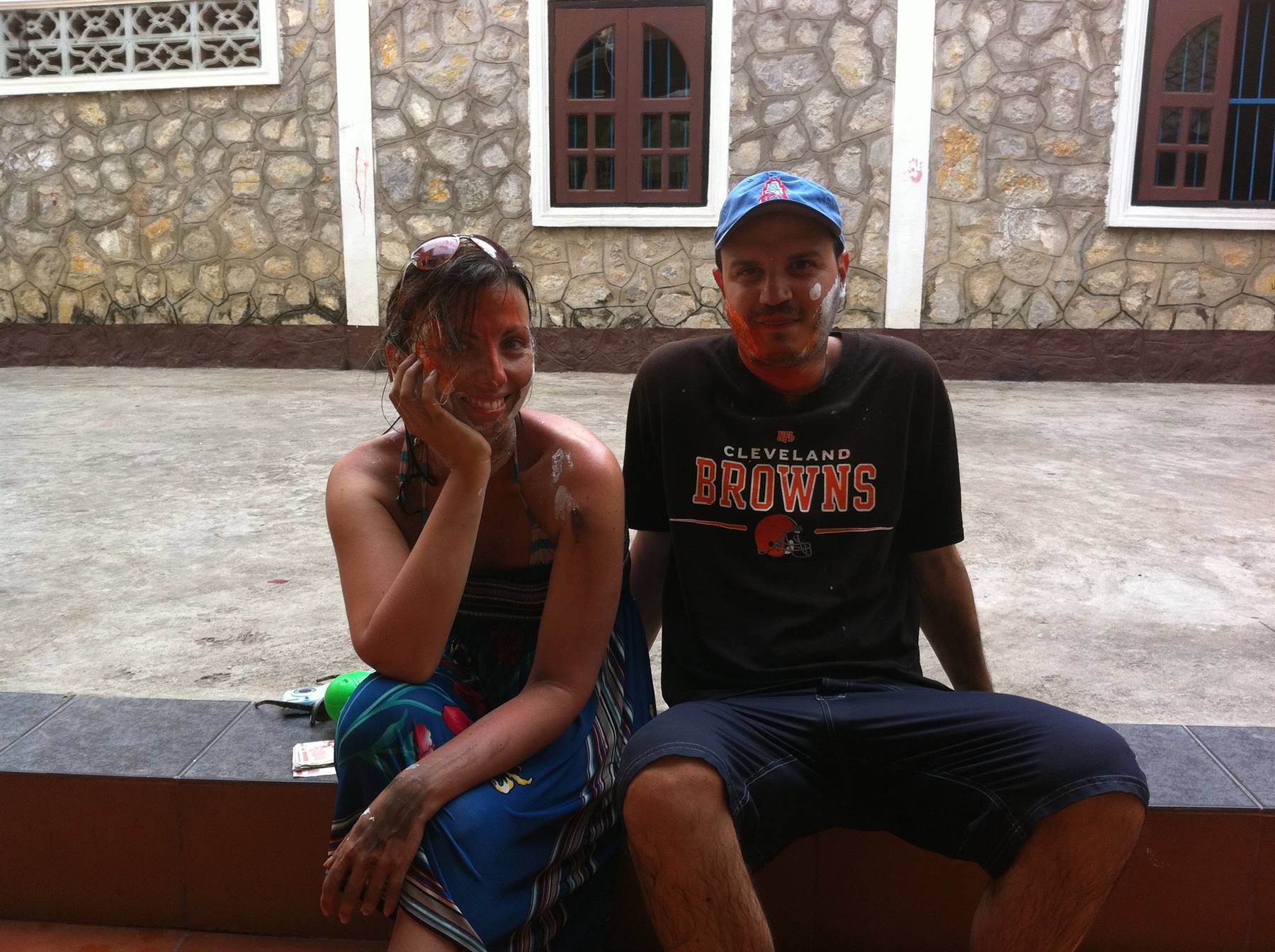
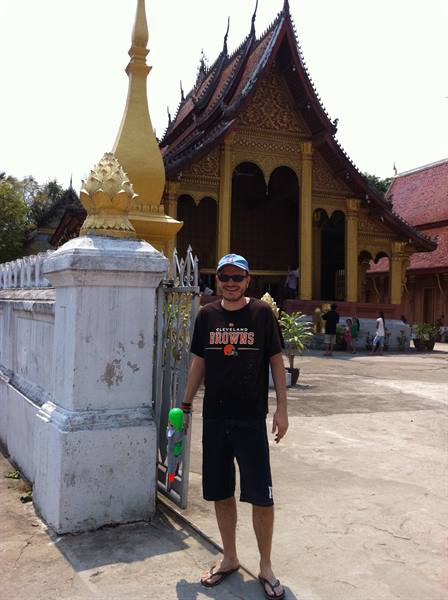
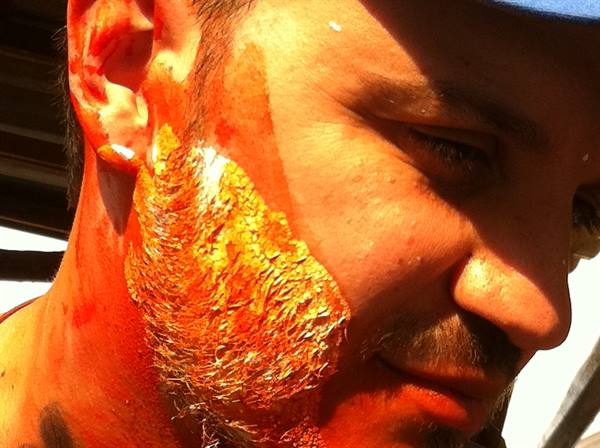
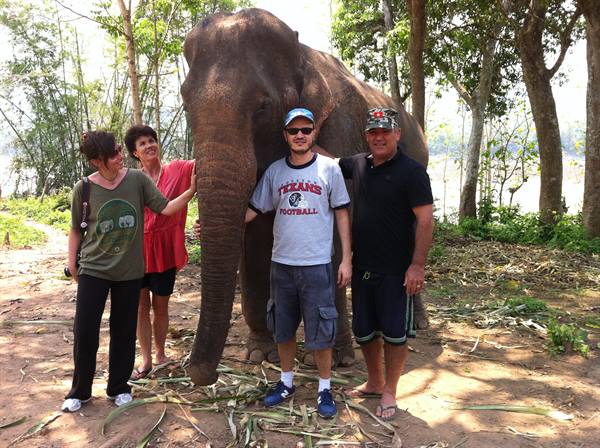
In fact, the following afternoon, after the ritual visits to the most beautiful sites, in the afternoon we enjoy the spectacle of the New Year parade and then, having bought a water gun and put on our costumes, we threw ourselves into the fray for a couple of hours of bucketfuls and harmless gunfire. Before leaving Luang Prabang we spend half a day having fun with an elephant, which after taking us for a ride for about an hour, they let us cuddle and feed to our (and its) heart's content.
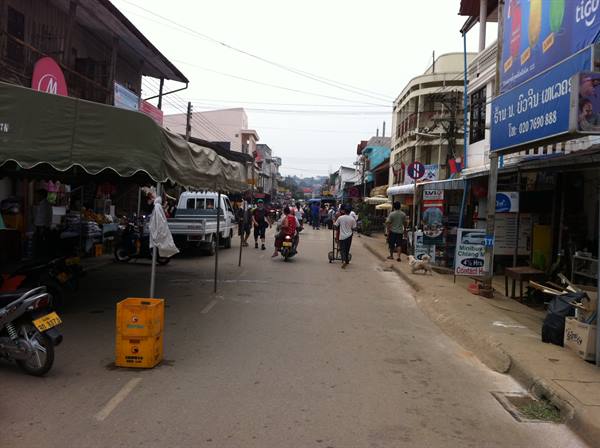
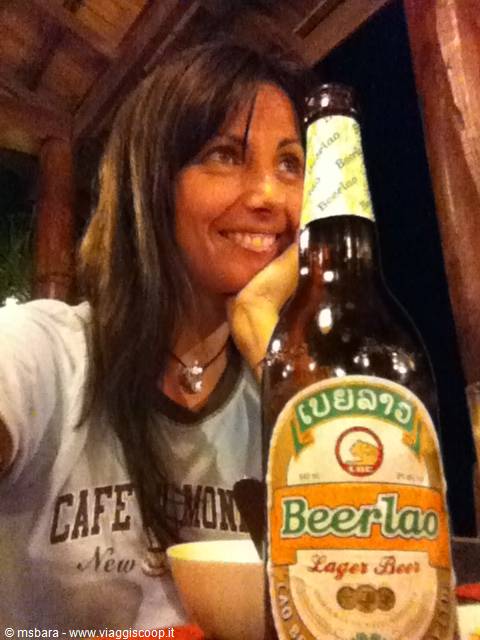
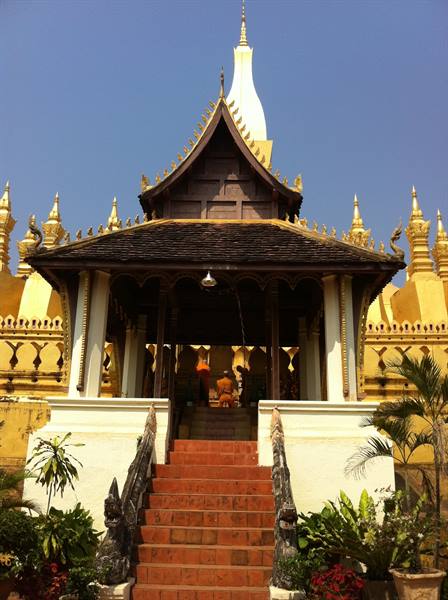
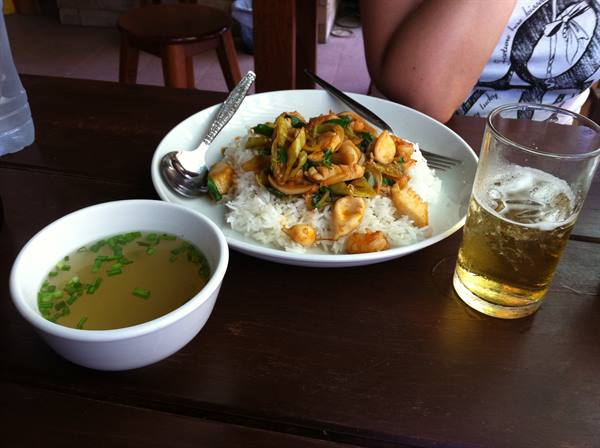
The next stop is Vientiane, the capital of Laos, which we reach after an exhausting bus journey of over 10 hours. The kilometers in reality are not that many (less than 400), but the bus struggles laboriously over the hills of central Laos, and the journey seems endless. The first impression of Vientiane is disheartening: the city is ugly, dirty and in several places falling apart. The situation doesn't change even on second impression, but after having thoroughly explored it we still found some reason to appreciate it. Above all Pha That Luang, the symbol of Laos, is truly beautiful. And then in a little restaurant off the usual tourist circuit we ate some fish noodles in spicy sauce that were truly exceptional, especially when accompanied by the ever-present Beerlao, the only beer available in Laos.
Vientiane, deep down, doesn't have that much to offer, but it gives an image of itself, and of all Laos, that you take home with you: a city, a country, quiet, run-down but not too much so, that survives but doesn't yet live, that settles for what it has but won't do so forever. For Asia, a story already seen. The time available is about to run out, and to leave Laos (not without some regret because we would have needed 4-5 more days to also see the southern part, the one bordering Cambodia) we take a plane that brings us back to Bangkok.
19 photographs · click to open them full screen



0 reader comments