This summer I (Federico Chierichetti) and my wife (Daniela Pontalti) decided to fly to Japan. We planned the trip by booking everything online. Japan is a safe destination and the extensive rail network lets you move around easily without hitches and without needing to rent a car. In particular the direct flight cost us €1,400 (two tickets), and the Japan Rail Pass for a week, which lets you use all Japan Rail Group trains freely, cost us €500 (two passes). As for hotels, we stayed in first-class hotels with a value-for-money ratio unequalled elsewhere. Specifically, in Tokyo we booked four nights at the Park Hotel, a modern hotel with great impact, since it occupies floors 25 to 40 of the very modern Shidome Tower. The atrium is 15 floors high. We spent, with breakfast, less than €150 a night. In Kyoto we stayed at the Hyatt Regency.
By booking and paying in advance (2 months before departure) we got a promotional rate of about €130 a night, without breakfast, for a beautiful 40-square-metre room. In Nikko we stayed at the Hotel Kanaya, a historic hotel, spending a little over €130. In Hakone the Hotel Fujiya is recommendable for the atmosphere you breathe. We paid €160 with breakfast (very rich and served in a fabulous room). In Takayama we recommend the Rickshaw Inn, which for €90 let us experience the pleasure of Japanese family hospitality. On Miyajima the accommodation was the most expensive, but also the most luxurious. At the Grand Hotel Arimoto we spent about €250 for one night in a 70-square-metre room, including breakfast and a rich dinner of raw fish.
The pleasure of staying on the island and half board (in the evening there are practically no restaurants on the island) all in all made the expense not excessive. The food, which we feared would be a big item, proved particularly cheap. At lunch we hardly ever exceeded €5 each and at dinner only once did we approach €20 each, eating in an excellent sushi restaurant. In short Japan is absolutely not an expensive destination despite its reputation, helped also by the exchange rate which during the trip stood at around 135 JPY to the euro. Some tips: The Japan Rail Pass is essential because the single trip from Tokyo to Hiroshima by Shinkansen with a reserved seat practically reaches the amount spent to buy the pass (about €250). However we suggest carefully evaluating the usefulness of getting it for two weeks.
Some trips, like Nikko or Hakone (or Mount Fuji in general) turn out to be more convenient by buying the passes that offer transport and admission included, effectively making the pass unnecessary. The sites dedicated to the various passes ( and they're all in English and worth visiting before departure. When you have to choose whether to get the first-class pass (Green Car) or second class (Ordinary Car), consider that second class in Japan is much better than first class on many of our trains in Italy, including the Frecciarossa. Book seats where possible (all shinkansen and limited express trains, including the Narita Express). Besides, not all Shinkansen have non-reserved cars and in any case the certainty of finding a seat in a non-smoking car is, in our view, important. Booking, with the JRP, is free and quick.
The advice is to visit the site to get an idea of the routes you'll travel and the relevant times and train names. This will make it easier for you to book seats if the official doesn't know English (which happens often). Travel light. Moving around stations and taking seats on trains with bulky suitcases is pointless effort. Carry cash. The use of credit cards outside hotels and some restaurants is uncommon. We covered all expenses, including a couple of nights' stay, with the equivalent of €1,000. The Japanese are extremely kind and very willing to help tourists. However the language can be an obstacle, so get the metro maps or directions for reaching, for example, the hotels online. You'll save a lot of time. There are a huge number of temples and shrines to visit. Select the main ones and those you're most interested in.
Learn to say hello and thank you in Japanese; you'll certainly receive a greater dose of willingness. Food matter. Travelling also means tasting the local cuisine. Japanese restaurants are cheap and the variety of food lets anyone find something appetizing. Japanese cuisine in Japan isn't entirely the same as what you find in Japanese restaurants in Italy. In the big cities there are also international restaurants, more expensive and less evocative. For the rest, enjoy the trip in a hospitable country, where you'll have fun observing the behaviour of a people with a culture and manners completely different from ours.
Day 125 Jul 2009
Milan-Tokyo
We leave from Malpensa on 24 July, 45 minutes late at 15:20. The direct flight lasts about 11 hours and, considering the 7-hour time difference (ahead), we land at Tokyo/Narita airport at 9:45 in the morning on 25 July. First of all, after picking up the suitcase, we go to convert the Exchange Order purchased in Italy into the Japan Rail Pass, which will allow us to travel unlimited on all Japan Rail Group trains. We have it start on 31 July and it will be valid for seven days. In addition, on the suggestion of the very kind young lady at the office, we buy the Suica Card, which will allow us to use the Tokyo Metros at advantageous prices. In fact, for 3500 JPY each, the trip on the Narita Express to Tokyo city is included and then 2000 JPY is loaded. The card is rechargeable and, when used up, if returned it entitles you to a 500 JPY deposit refund.
It can also be used in all drink vending machines. The journey on the Narita Express takes just under an hour to Tokyo Station and with 5 minutes on the metro we arrive at Shimbashi, where our Hotel is located, the Park Hotel Tokyo, which occupies the top 15 floors of the Shiodome Tower near the Ginza district, famous for being the place for luxury shopping in Tokyo. After freshening up and resting for about an hour, we go out around 2:00 pm to explore Ginza itself. It's Saturday and custom dictates that the main street of the district (Chuo Dori) is closed to traffic to allow and facilitate shopping. It's very hot and the humidity makes the temperature even harder to bear. Luckily, at the street corners plastic fans are handed out to fan yourself.
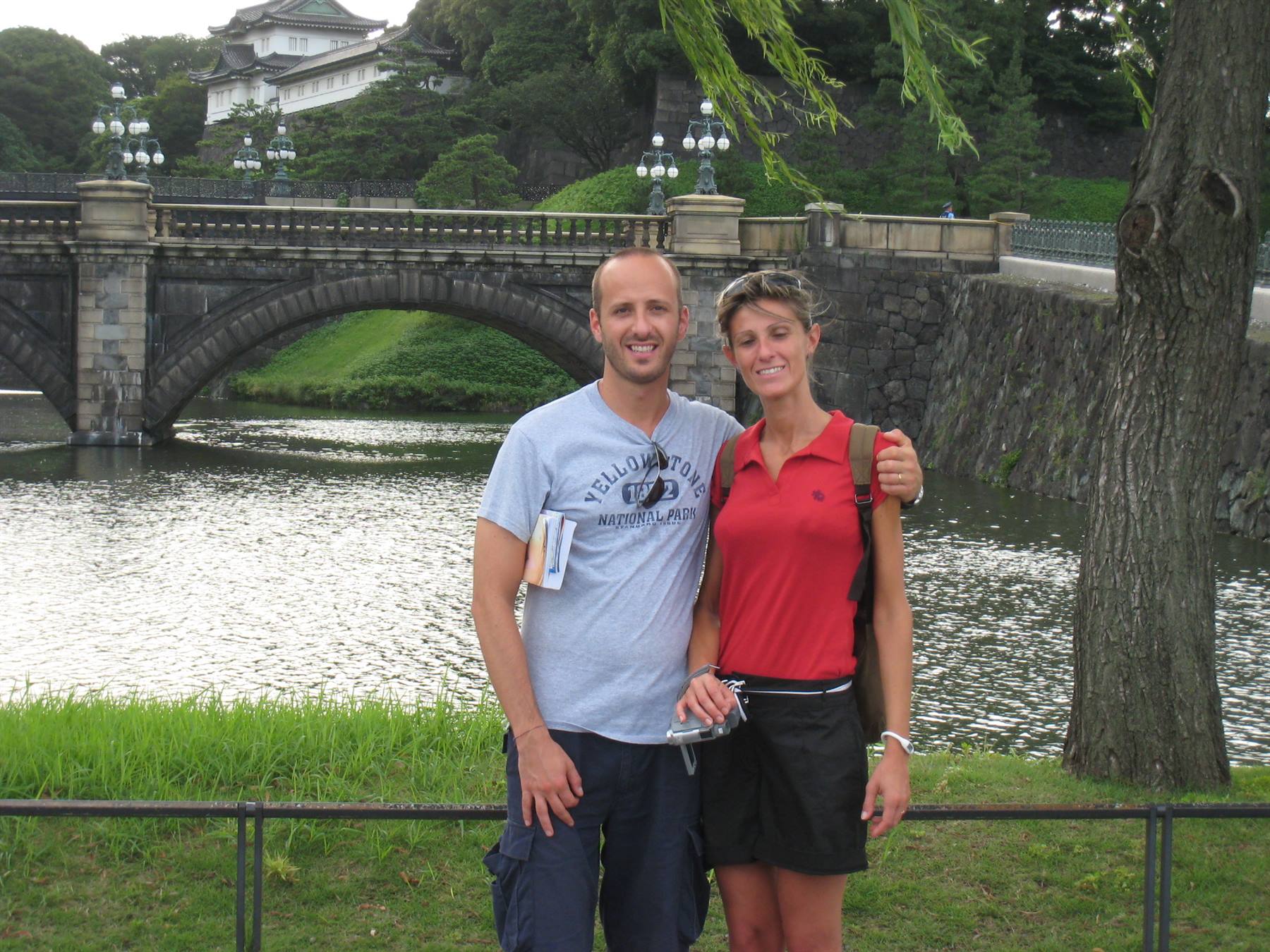
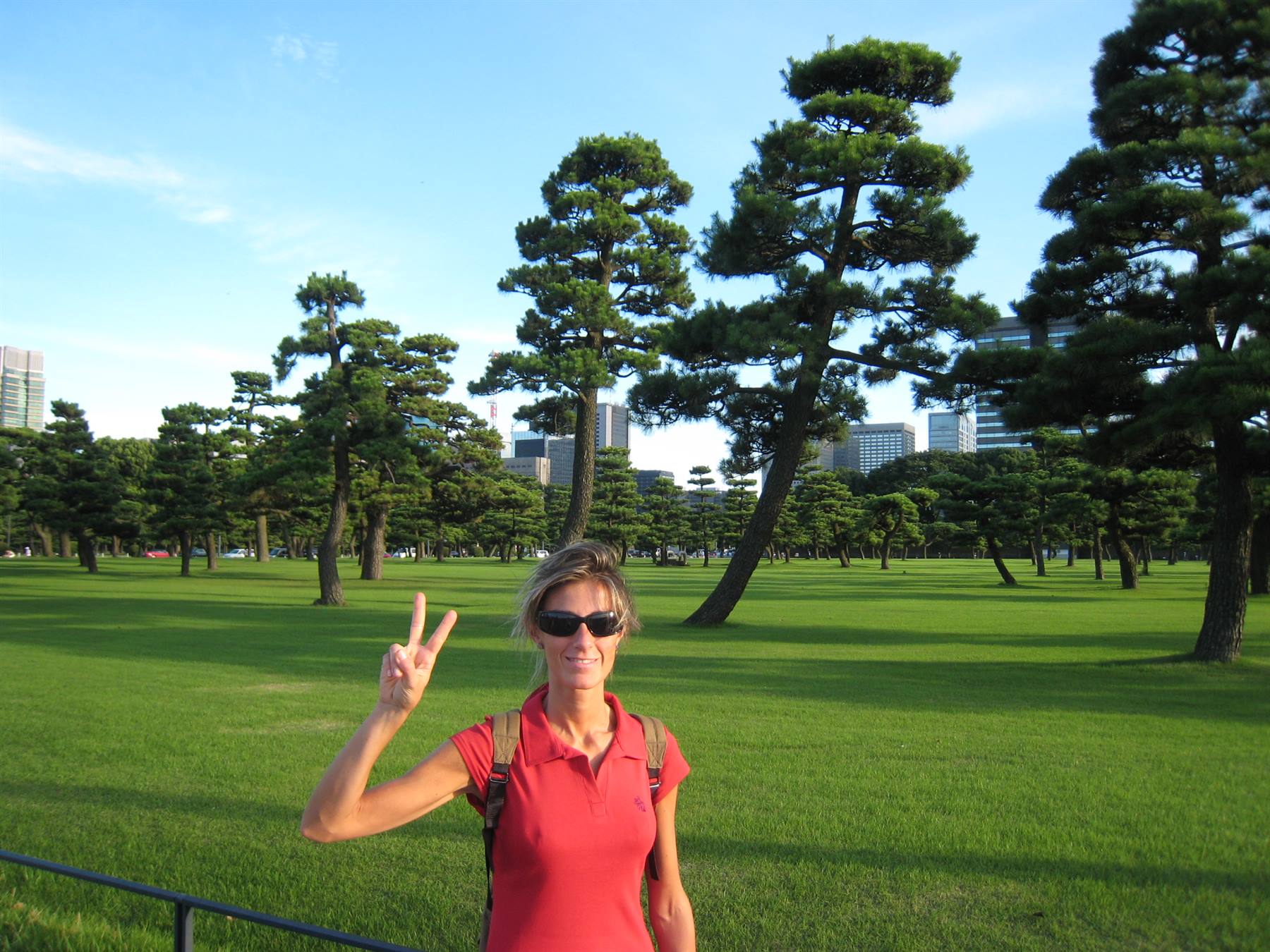
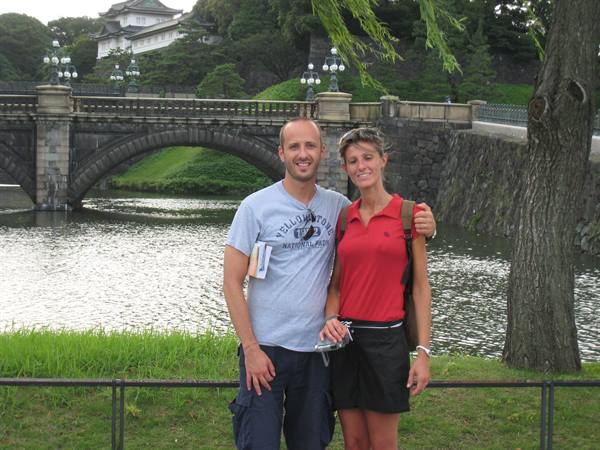
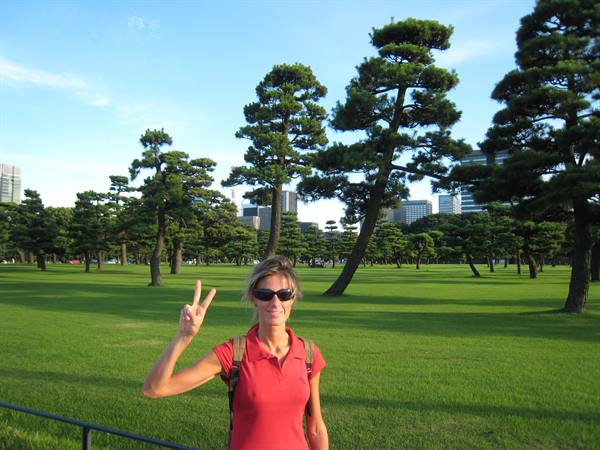
We walk silently through the streets of the district, getting acquainted with this people who are ultimately unknown to us, and we realise that, at least here in Tokyo, westernisation is by now widely widespread. Tokyo appears to us as a metropolis made of skyscrapers, European shops and people devoted to shopping. We visit the Sony Building to catch up on the latest technology, we stroll a bit in the splendid park near the Imperial Palace. We have dinner very early in a Japanese restaurant in the Shiodome Tower and at 20:30 we are in bed ready to recover from the efforts of the journey. We sleep 12 hours straight.
Tokyo - Sensoji Temple in Asakusa
Day 226 Jul 2009
Tokyo
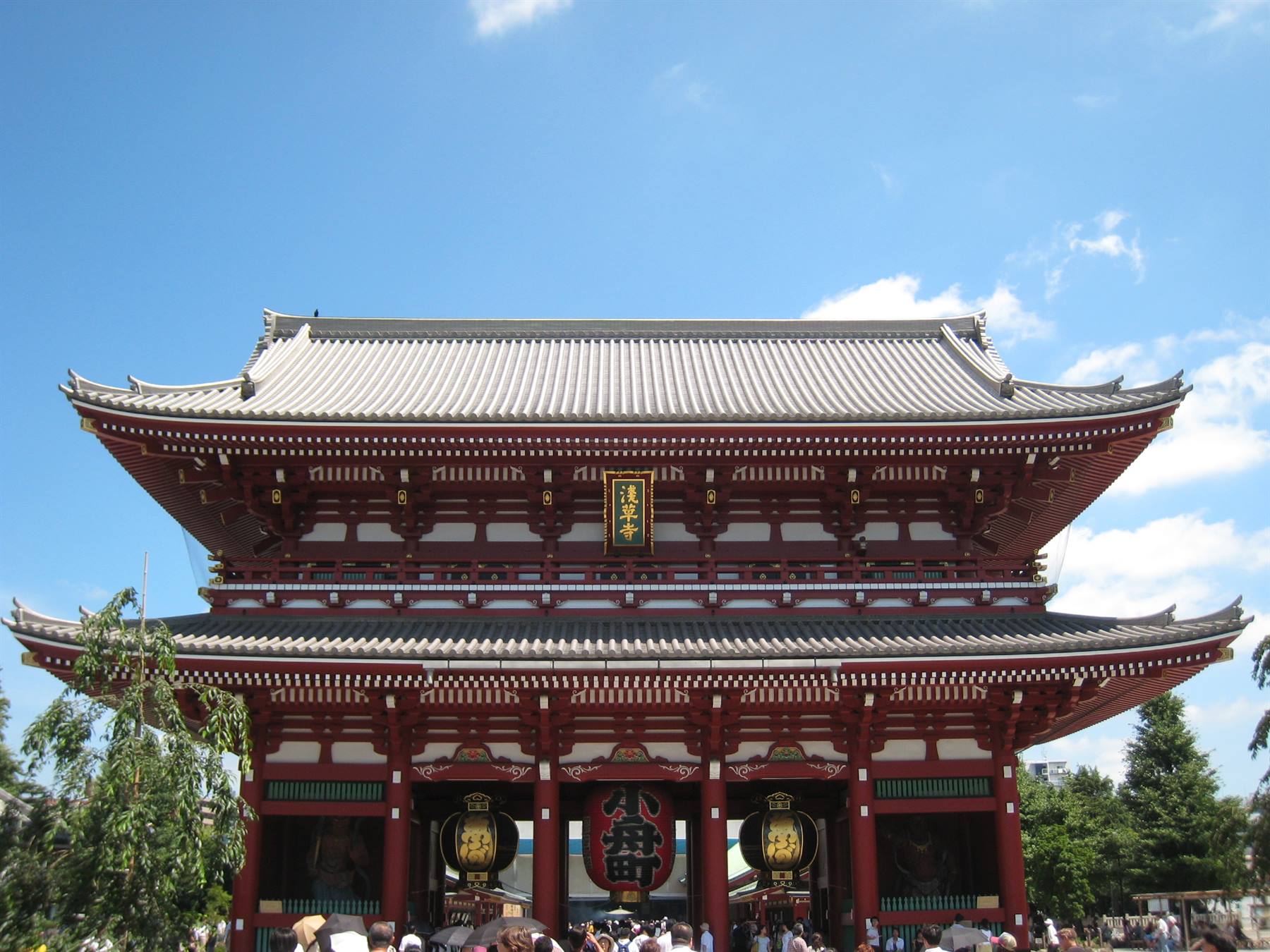
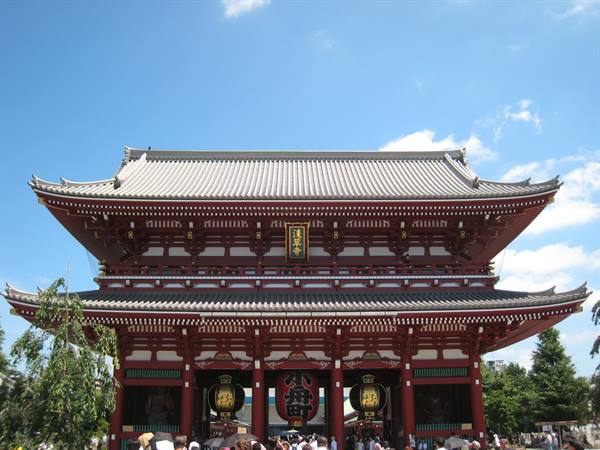
The (western) breakfast at our Hotel is rich and abundant. We go out early to explore the city. The first destination is the Buddhist temple Sensoji (also called Kannon Temple), which is located in the Asakusa district. It is the oldest temple in Tokyo (it was completed in 645). To reach it you immerse yourself in a long "gallery" of shops selling anything and everything. Many shops are typically for tourists, but you also find characteristic ones selling various types of sweets and fine fabrics with which Yukata and Kimono are made. The next stop is the Shunjuku district. The railway station of the same name is one of the busiest in the world. The district too is an immense area literally overflowing with people moving in every direction. Near the station is the red-light district Kabukicho, that of true night-time transgression.
Near the station there is also the Tokyo Government Building complex. These are two towers over 200 metres tall from whose observation deck a 360-degree view of the city opens up. From here, on clear days, you can distinctly see Mount Fuji too, but today the blanket of humidity hides it from view despite the sunny day. We have lunch in the most "Japanese" way possible. The area is, in fact, full of little restaurants where you order through machines similar to vending machines placed outside the place. You choose what you want by looking at the inevitable plastic reproductions of the dishes displayed prominently in the window, you insert the coins, you collect the ticket and wait for the dish to be delivered. In our case we opt for Udon noodles and rice balls with soy sauce. In the afternoon we head to the park that houses the Shinto shrine of Meiji Jingu near Harajuku station.
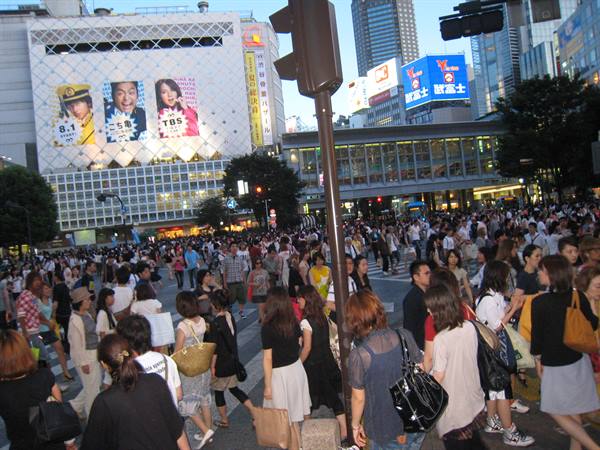
The area that houses the shrine is covered by an evergreen forest, donated by the Japanese people when the shrine was built. This forest in the heart of Tokyo is visited daily both as a sacred and meditative place and as a recreation area; in fact, we relax a bit by lying down on a shady and quiet lawn. We resume our walk to the nearby Yoyogi park, famous because it is populated by people who can here give vent to their most eccentric passions. For example, today a group of kids, evidently Elvis Presley fans, are dedicating themselves to wild dancing, although, I must say, rather funny. We reach on foot the delirious Shibuya district. This is where what is called the most chaotic pedestrian crossing in the world is located. Indeed, it's crazy how the crowd diligently waits for the green light and then literally invades the crossing in every direction.
The area is full of department stores and neon lights in Times Square, New York style, but it's also full of restaurants of every kind. We have dinner in one of the many Japanese places in the area.
Tokyo - The Gundam at Odaiba
Day 327 Jul 2009
Tokyo
We get up early to go and visit Tsukiji Market, the largest fish market in the world. It's just a few minutes' walk from the hotel. The busiest moment, the one with the auctions, has just ended (it starts at 5 in the morning), yet it's fascinating to see how dozens of gigantic tuna, by now sold, lie on the wooden pallets waiting to be picked up. All around is an incredible swarm of people selling the most varied sea life and transporting it recklessly on little gas-powered mini carts. We wonder how they manage not to constantly crash into each other. In fact, the frenzy nevertheless seems well organized so that everyone manages to carry out their task without getting in each other's way. The tourists, who wander curiously through the aisles, are pretty much ignored.
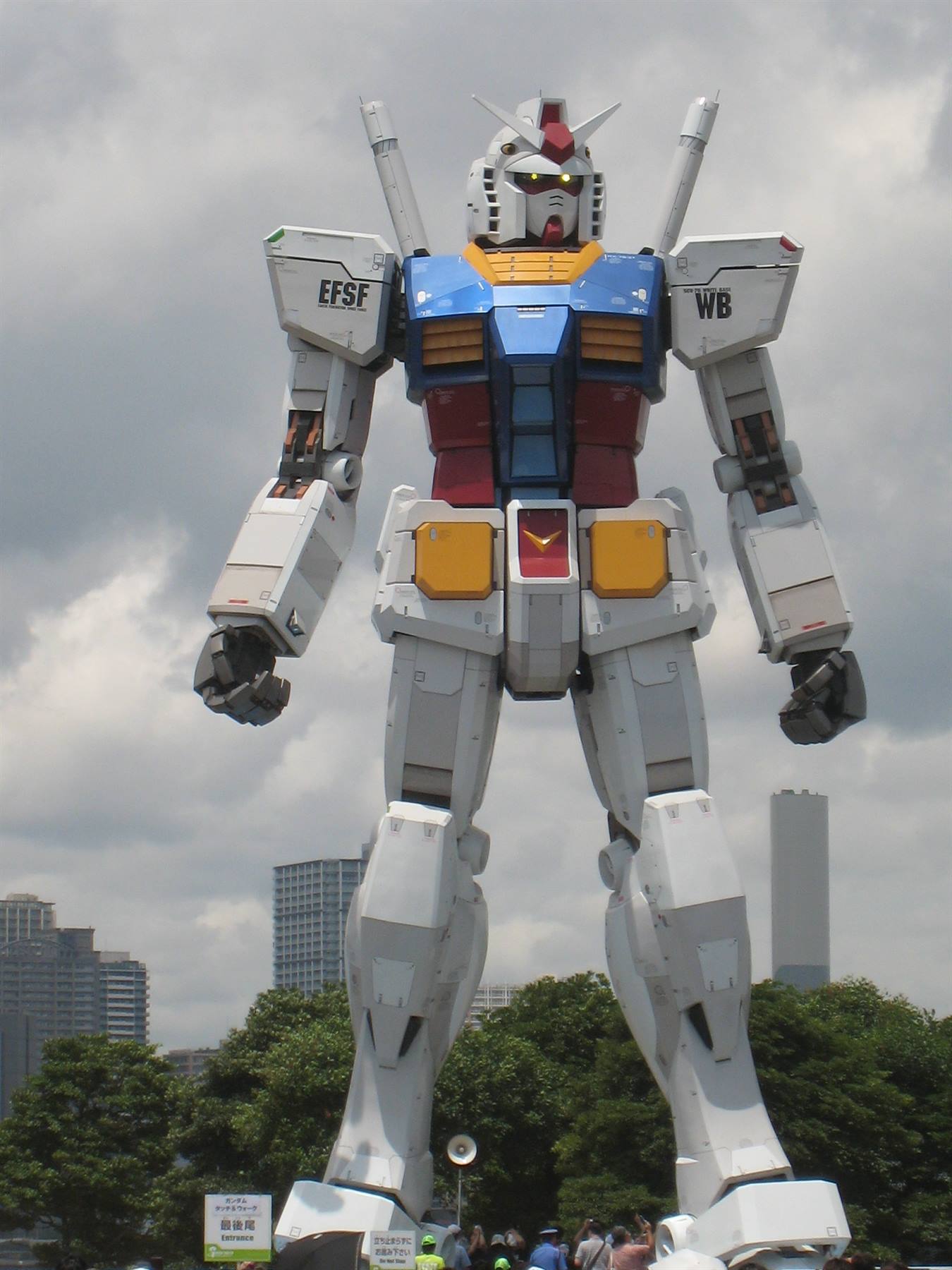
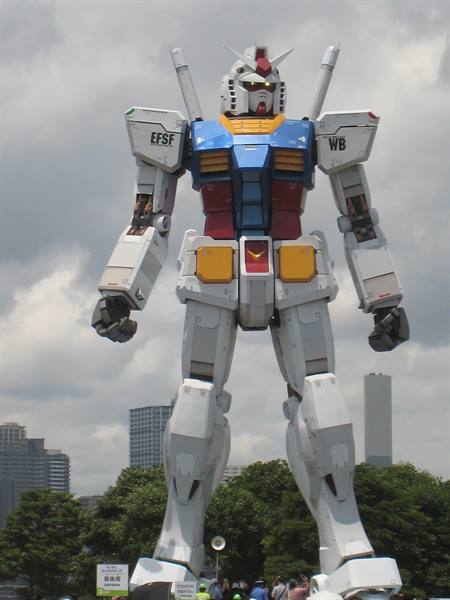
We go back to the hotel and after breakfast we take the elevated metro that leads us to the Odaiba district, an artificial island from which you can see the Tokyo skyline and which houses, among other things, an amusement park and the Fuji TV television studios. Our goal is to go and see the gigantic Gundam (Robot) that was erected on the occasion of the thirtieth anniversary of the invention of this genre of Manga which then turned into the cartoons we have all seen (Gig Robot d'Acciaio etc…). We make our way back to the Shibuya district to venture into the Love Hotel Hill area, the hill that houses dozens of Love Hotels, the famous meeting places for couples looking for an hour of passion away from prying eyes. An unreal calm reigns, considering that the hill is located right in the middle of one of the most chaotic places in Tokyo.
We dedicate the evening to visiting the Roppongi district, one of the main ones devoted to "nightlife". The district is very cheerful and pleasant to visit also thanks, finally, to a thunderstorm that cools the air a bit. We have dinner in a restaurant that seems very popular among young people. Sitting on the tatami we enjoy a series of typical dishes.
Nikko - Tosho Gu
Day 428 Jul 2009
Tokyo - Nikko
Early in the morning we reach Asakusa station, from which the train to Nikko departs. At the dedicated office we buy the World Heritage Nikko Pass which for 3600 JPY each (30 euros) includes round-trip travel, access to the temples and shrines that are UNESCO heritage sites, and unlimited use of local transport. The journey lasts about two hours during which we socialize with a nice old man who strangely speaks English and proudly describes to us his socks shaped like gloves for the hands. Soon the endless urban area of Tokyo gives way to rice fields and green hills. The climate in Nikko is cooler also because the sky is cloudy and every now and then it rains a little. We stay at the Kanaya hotel, an old hotel (among the first built in Western style) considered a national heritage of Japan. Indeed, it has that flavor of times gone by that makes it charming.
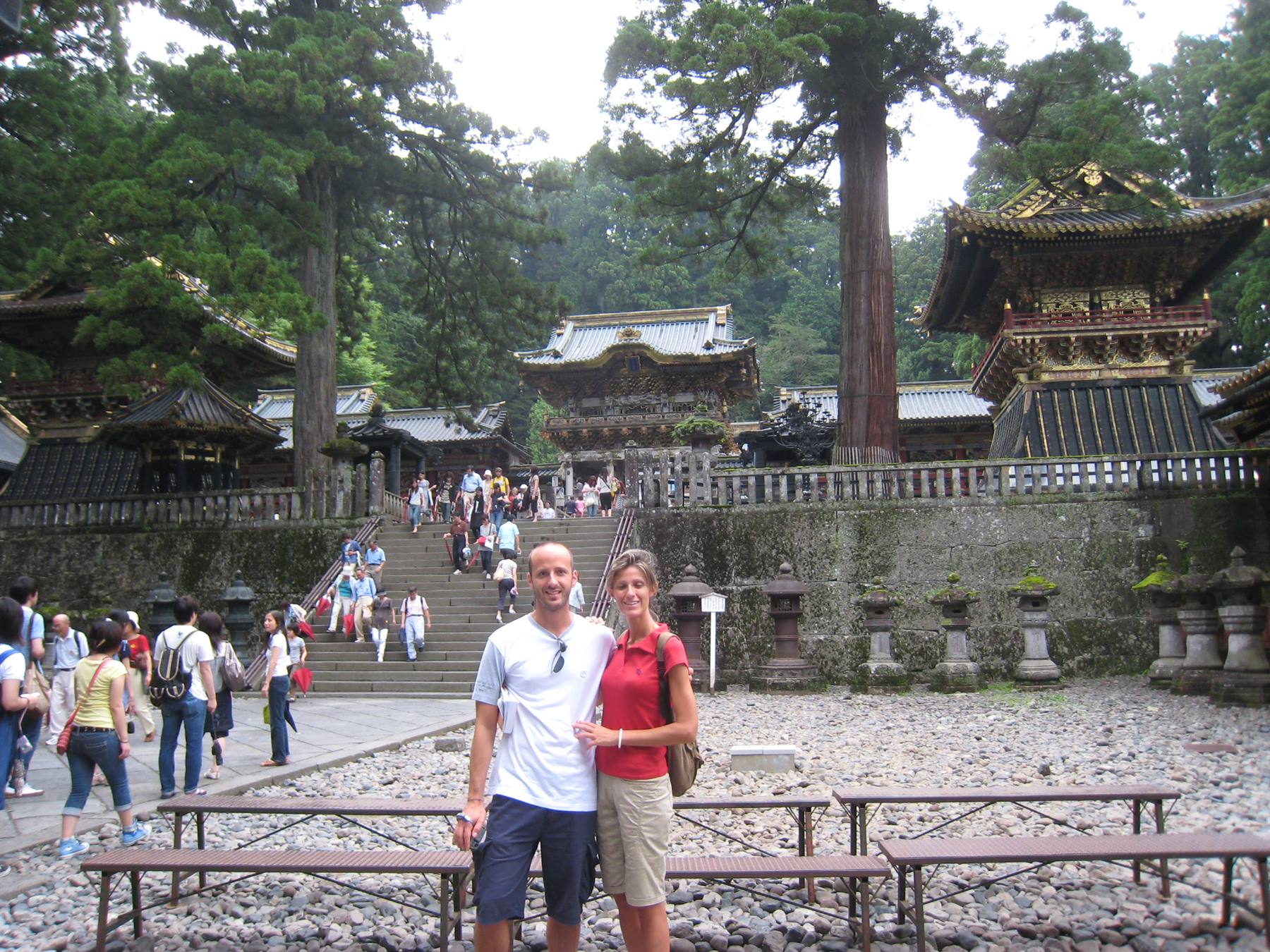
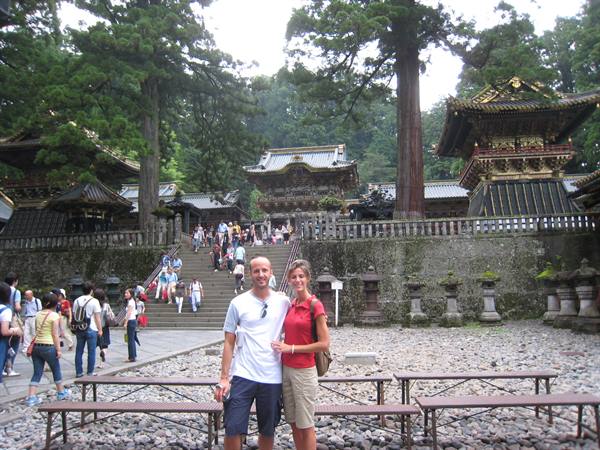
The room is very large and spacious. The hotel is located right next to the historic sacred Shinkyo bridge, much photographed by the Japanese, although its position, by now close to the modern (and horrendous) road bridge, greatly reduces its charm. Apart from that, Nikko, with its Buddhist Temples and Shinto Shrines (many of which have been declared a World Heritage Site by UNESCO) immersed in a National Park, is a place of great charm. Without going into the merits of all the places to visit, which moreover are all close to each other, the advice is to go there early in the morning or in the evening close to closing time, to avoid the hordes of Japanese tourists that considerably reduce its solemnity. Just to mention some of the most famous sites, this is where the Rinnoji temple is located, which houses the three great gilded wooden statues dedicated to Buddha.
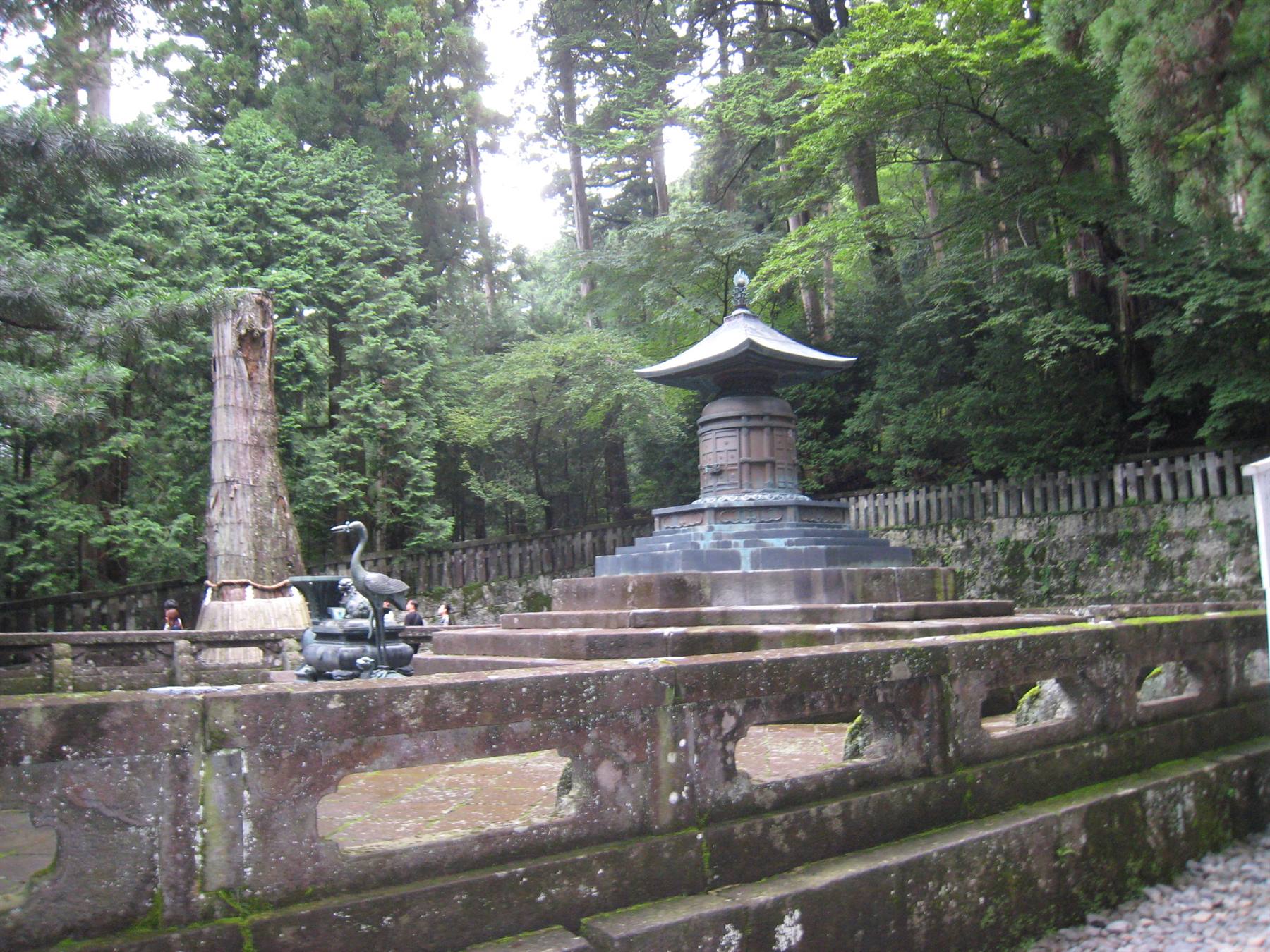
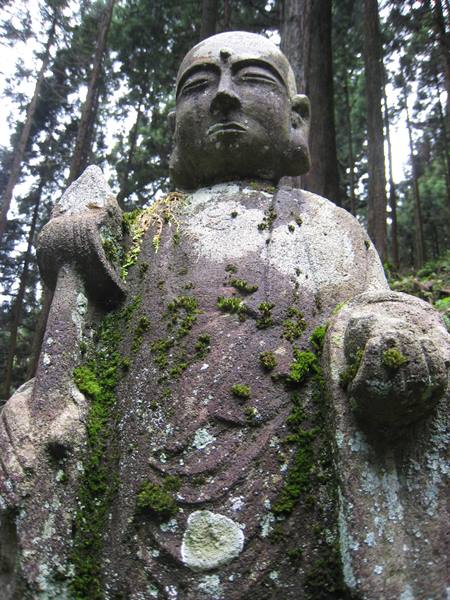
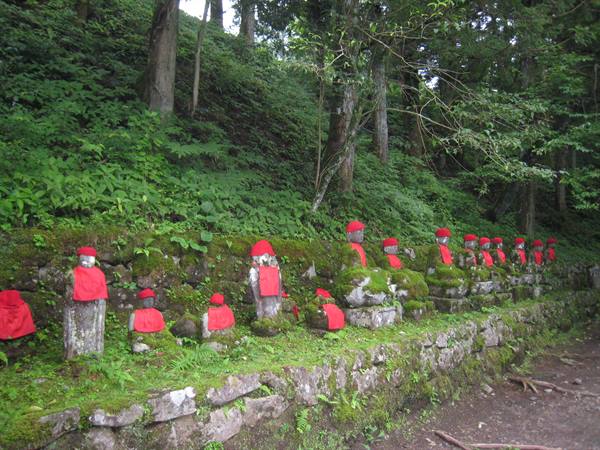
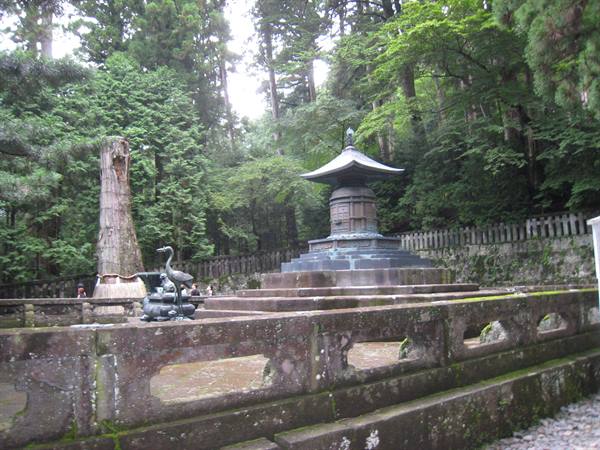
This is where the Tosho Gu shrine is located, which houses the famous wooden cat bas-relief so adored by the Japanese as well as the three little monkeys "see no evil, hear no evil, speak no evil". This is where the Shogun Ieyasu is buried. This is, finally, where the Futarasan Shrine is located, founded in 782 by Shodo Shonin, the Buddhist monk who introduced Buddhism to Nikko and who also founded the nearby Rinnoji Temple. The visit keeps us busy all morning. In the afternoon, instead, we dedicate ourselves to visiting a less beaten place, but equally evocative. It is the Gamman-Ga Fuchi Abyss which is located a short distance from the center of Nikko, immersed in the forest (all the local maps show its position). It is a sacred path along whose side are placed dozens and dozens of small Buddha statues all wrapped in moss and "dressed" in a little red hat. Truly a pleasant excursion.
Along the path we see the signs for an Onsen (the Yashio No-Yu Onsen) which was also mentioned in our Lonely Planet, so we decide to continue to try the experience of these famous thermal baths that are very widespread throughout Japan. For 500 JPY you get access to pools of hot water, also outdoors (Rotemburi) where you immerse yourself, strictly naked and separated by sex. A pleasant experience, as well as an opportunity to see the Japanese engaged in one of their passions. We return to the hotel by taking the bus. We have dinner in a small restaurant not far from the hotel, (Hi No Kuruma) specializing in Okonomiyaki. It's about cooking for yourself, on a hot griddle set into the table, a kind of omelette made with various ingredients: egg, vegetables and then, as you like, fish, meat, shrimp or a mix of everything.
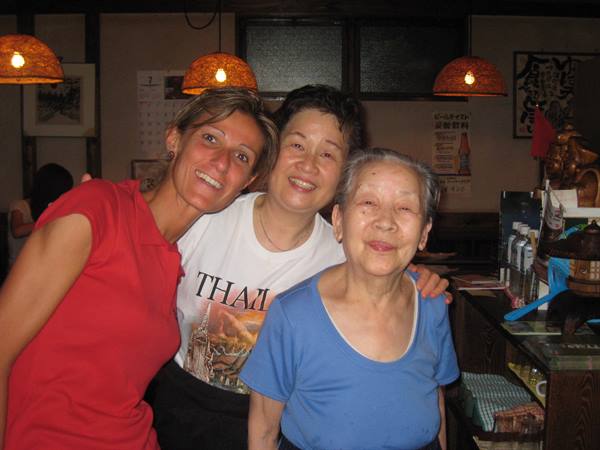
The experience is fun and then the two ladies who run the place are very nice.
Tokyo - Imperial Palace
Day 529 Jul 2009
Nikko-Tokyo
It's drizzling. After another tour of the streets of Nikko, we set off again for Tokyo. We arrive at 13.35 with a full minute of delay and endless apologies from the train conductor on behalf of the entire Japan Rail Group. Just like in Italy, in short. Since we're at the station we take the opportunity to book (free of charge) seats on all the various legs we'll be doing in the coming days by train, when we'll start using the Japan Rail Pass. In this way we secure the non-smoking cars and avoid the risk of having to stand in the cars where reservation is not mandatory. Should we change times or routes we can change the reservation free of charge at any time. We take possession again of a room at the Park Hotel, where we had also left the suitcase to travel lighter. We have lunch in the room with rice balls filled and wrapped in seaweed bought at a Family Mart in the station.
Really great for a quick lunch. We dedicate the afternoon to a more thorough visit of the Imperial Palace gardens, we then move to the Ueno district wandering through the shops of the Yumoto Gallery. Very evocative is the Ueno garden where an immense pond is occupied by an endless expanse of lily plants. We have dinner in the area in a restaurant very frequented by young people just out of the office, right under the train tracks. After dinner we go to play in one of the many Tattu Stations, that is mini arcades where the maximum fun is trying to grab with a mechanical arm various types of merchandise (stuffed animals in particular).
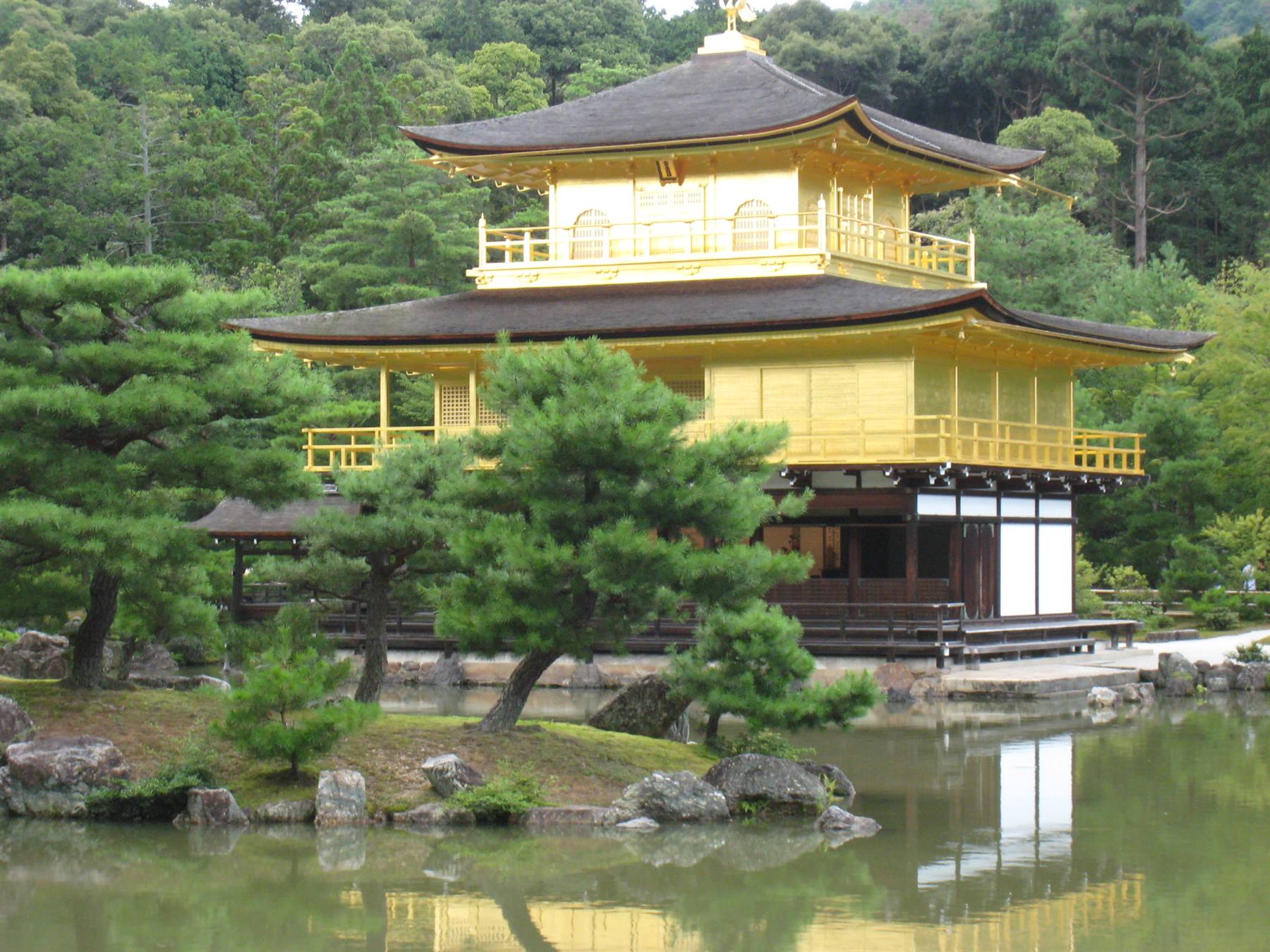
Kyoto - Kinkaku-Ji (Golden Pavillion)
Day 630 Jul 2009
Tokyo-Hakone
Early in the morning we leave for Shinjuku station, from which the train to Hakone departs. We buy the Hakone Free Pass which for a few thousand JPY includes the journey, the use of all the means provided, the boat trip on Lake Ashi, the use of the cable car and access to other sites. Undoubtedly very convenient. The route involves a first leg, the longest (two hours) with the Odakyu Line trains up to Odawara. From here you take an old little red train in the style of the Swiss Rhaetian Railway (with which it is twinned) that climbs up towards Hakone, which is located at 500 meters of altitude. We get off at the Myanoshita stop, where the Fujia hotel is located. This hotel too, like the Kanaya in Nikko, is very old and considered a Japanese national heritage. Its garden and its rooms are worth a visit, even if you don't stay here.
We leave the suitcases and set off again, always with the little red train, towards Gora from which the funicular departs that climbs up to Sounzan. From here a cable car leads up to Owakudani at over a thousand meters of altitude. The site is famous, besides for the sulfur exhalations resulting from secondary volcanism with which the famous eggs that turn black are cooked (we are, in fact, in the center of an ancient extinct volcano), also because it is one of the places with the best view of Mount Fuji. Unfortunately, even today the clouds prevent the view. Unfortunately in summer it is almost impossible to see the sacred mountain. The cable car then descends towards the volcanic lake Ashi (another famous site because Mount Fuji is reflected in its waters). We cross the lake aboard an improbable pirate ship that leads us all the way to Hakonemachi.
From here we continue on foot through a pleasant path (Cedar Avenue) to the nearby Motohakone. Here is the Gongen Strine, a Shinto shrine famous for its red Portal (Torii) immersed in the waters of the lake. We return to Myanoshita by taking a bus. The Fujia hotel is also famous because the thermal water arrives directly in every room allowing you to take a thermal bath in your own tub. We therefore dedicate ourselves to an hour of relaxation. We have dinner in a cozy restaurant (Miyafuji Sushi) with a sushi-based meal. It's 19.30, and they let us in by a miracle, because here it's already late and they close at 20.00. Excellent dinner; the restaurant is all for us.
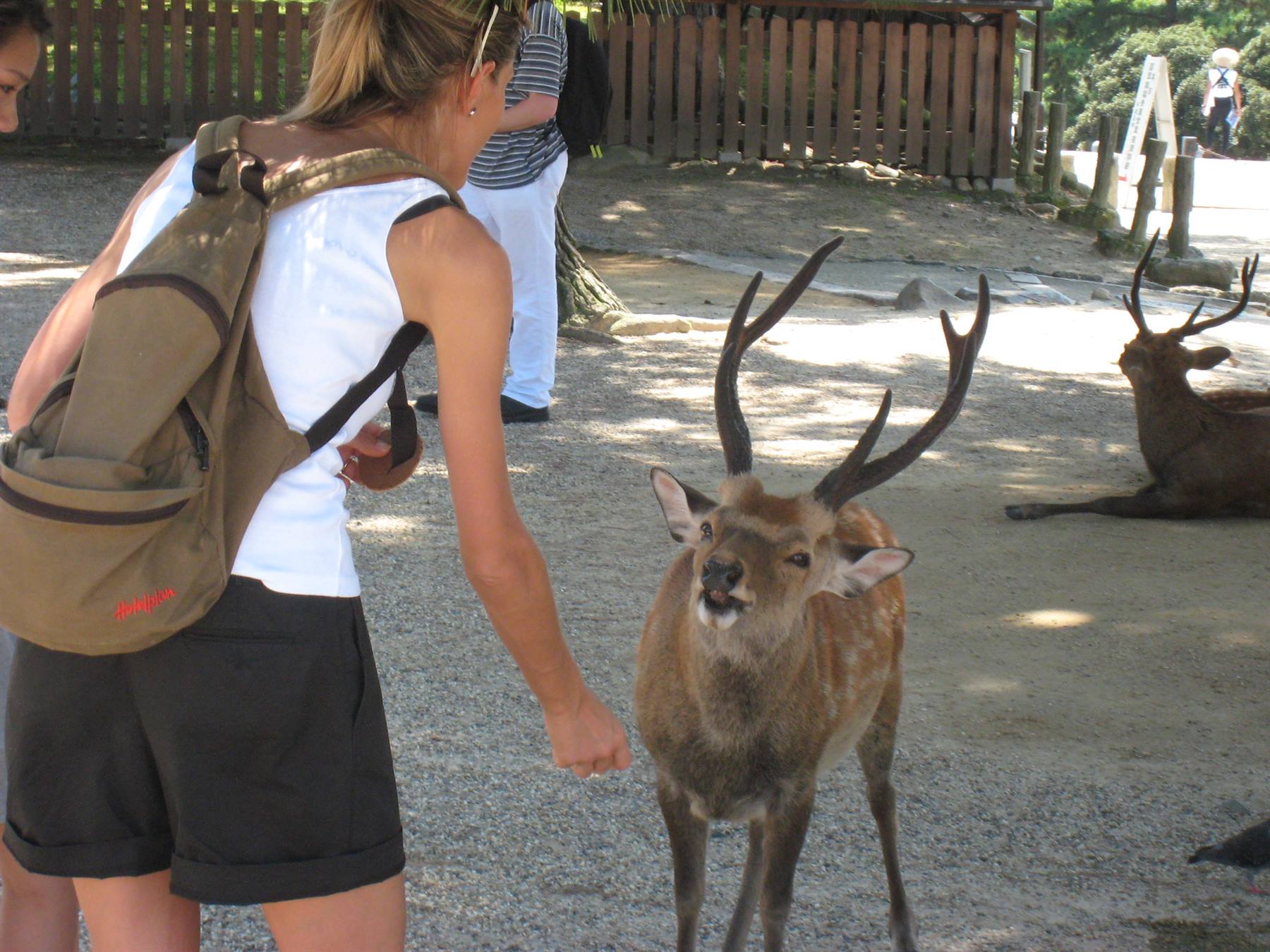
Nara - Sacred deer
Day 731 Jul 2009
Hakone – Takayama
In the morning we visit the Gora Open Air Museum, a museum of modern art and sculpture that is very evocative because it's outdoors. It houses, among other things, sculptures by Pomodoro, Calder and paintings by Picasso. We then take the little train to Odawaa, where we buy food to comfort ourselves during the journey. From this moment we begin to use the Japan Rail Pass. From Odawara, in fact, we take our first Shinkansen (bullet train) Hikari 519 at 16.09 to Nagoya. From here the Limited Express train takes us to Takayama, where we arrive at 20.15. We stay at the Rickshaw Inn, a characteristic family-run "Japanese Style" hotel. This is where for the first time we stay in a Japanese-style room (tatami and beds on the floor). We take an hour-long stroll walking through the deserted streets of the small town getting familiar with what will be the sites we will visit the next day.
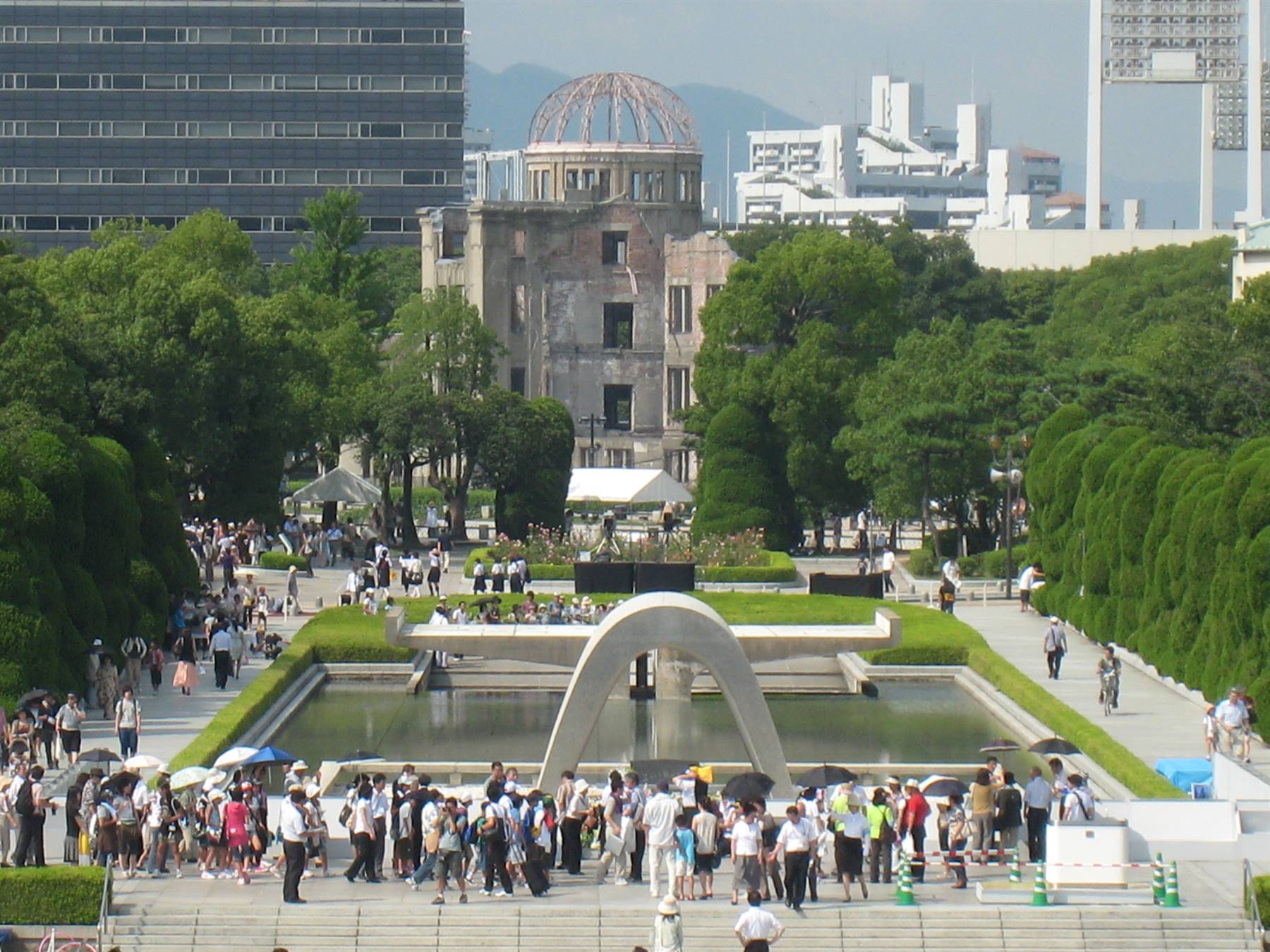
Hiroshima - Peace Memorial Park
Day 81 Aug 2009
Takayama-Kyoto
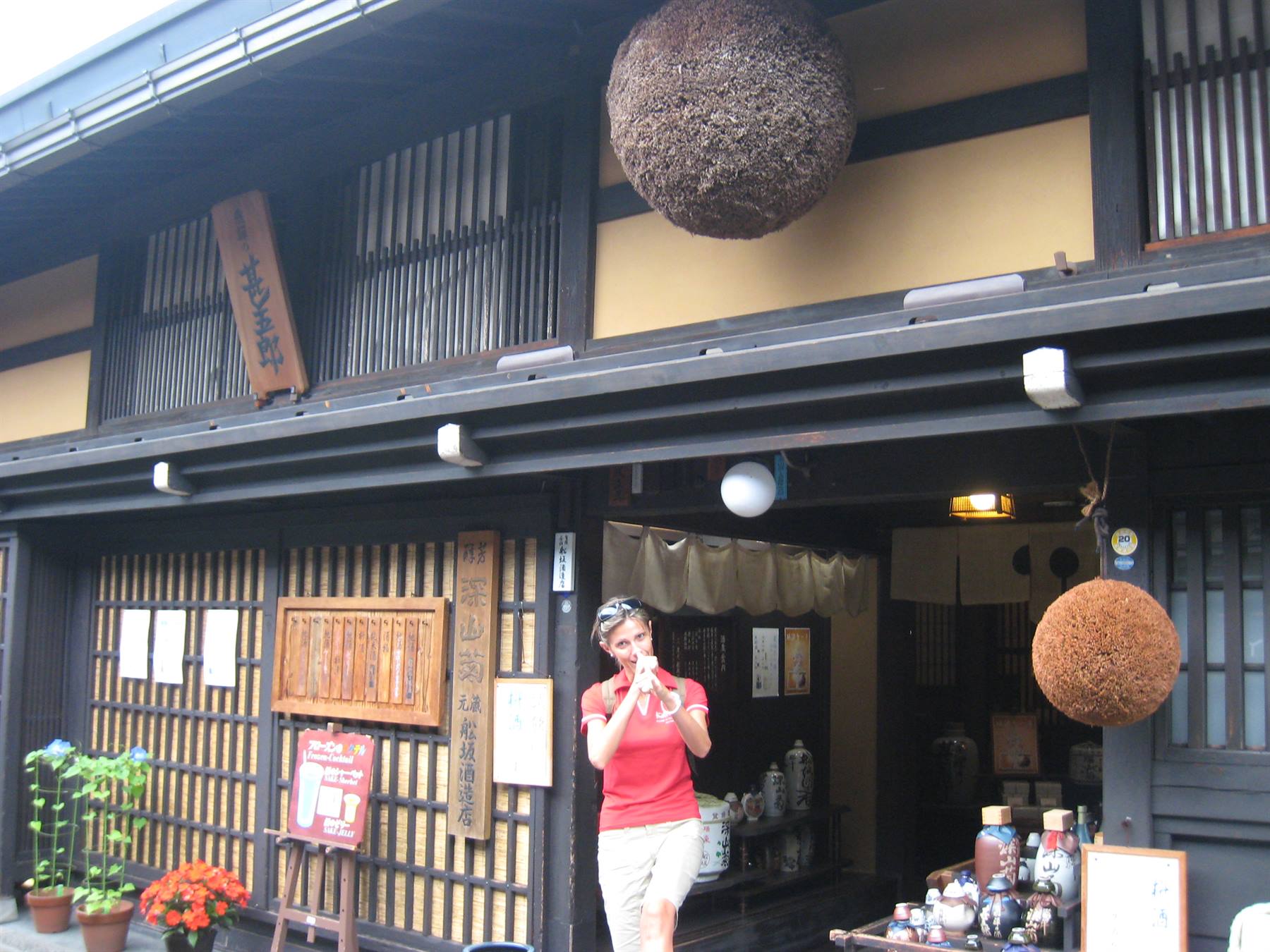
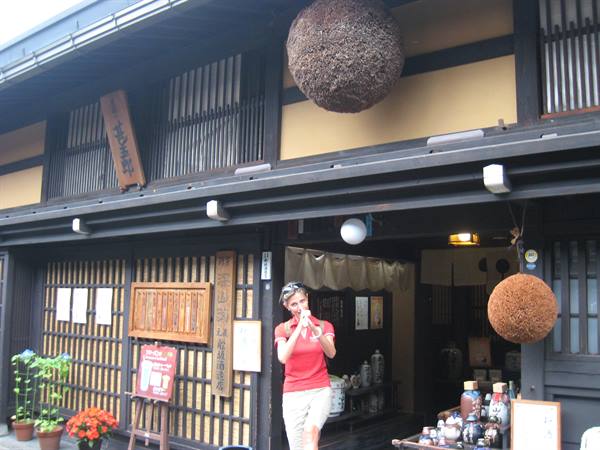
First of all we have an excellent breakfast near the station in a very cute café, the Caffè If. The jam and butter toast is exquisite, as is the coffee. We then get lost in the characteristic streets of the old town lined with the typical wooden merchant buildings and dotted with sake distilleries; we visit the Maturi Yatai Kaikan which houses some famous floats and the scale reconstruction of the temples of Nikko. It is truly pleasant to get lost in these endless little streets with the flavor of ancient Japan. We have lunch in a place that seems very successful and that serves practically only Udon and Soba. It is located at the intersection between the two main streets. We then take a long walk in the park that occupies the eastern hills and where the vestiges of the ancient Takayama castle are found.
At 15.36 we take the Limited Express to Nagoya and from here the Shinkansen to Kyoto. We arrive in the evening and take our place at the Hyatt Regency hotel. The hotel provides free taxi transfer from the station. We take advantage of it, even though we will later discover that it is not particularly far. After freshening up we walk back to Kyoto Station, famous for its bold architecture and for being the center of Kyoto life, as full as it is of restaurants and bars. We have dinner on the 14th floor, treating ourselves for the first time to a very Italian plate of spaghetti.
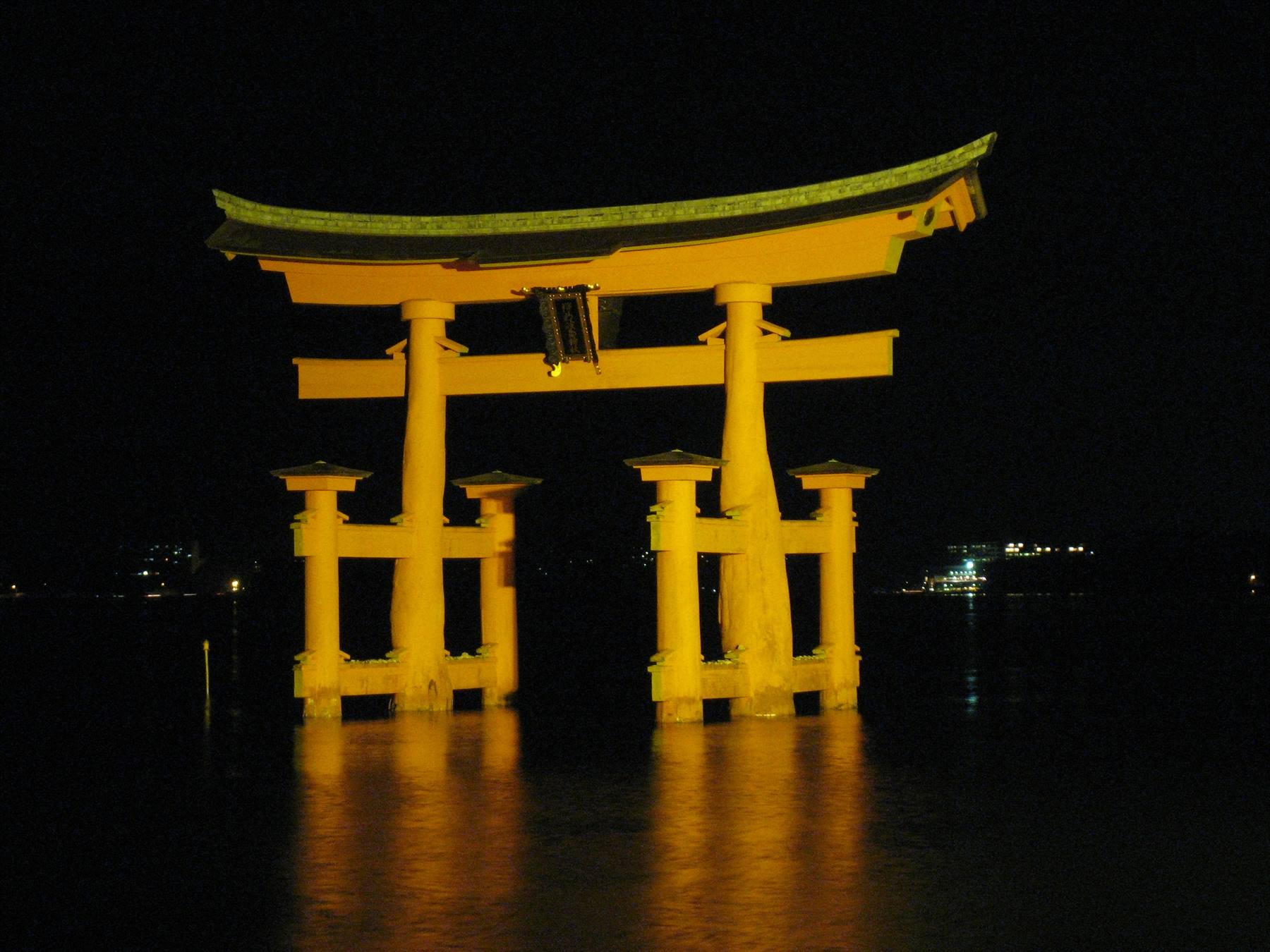
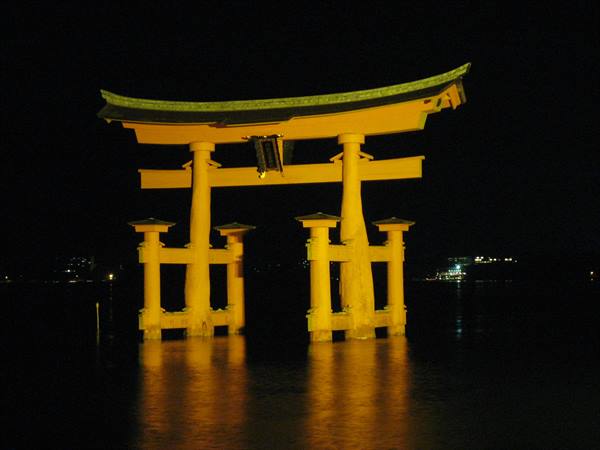
Miyashima - The Torii at night at high tide
Day 92 Aug 2009
Kyoto
Kyoto is a decidedly more human-scale city compared to Tokyo and it's not hard to grasp its most characteristic aspects. It's enough to move away from the center and venture into the more peripheral neighborhoods where numerous temples and shrines are also found. We visit the Kyomizu Dera, that is a series of Buddhist temples, in particular the Otowasan Kiyomizudera temple whose construction began in 798, although the current building dates back to 1633. It is one of the ancient monuments of the city considered a world heritage site by UNESCO and was also last year one of the finalists for the seven wonders of the modern world. In fact after visiting the site we dedicate the morning to following the walking itinerary (5 km) suggested by the Lonely Planet. It is a well-described route that touches some of the most characteristic places of the most authentic Kyoto.
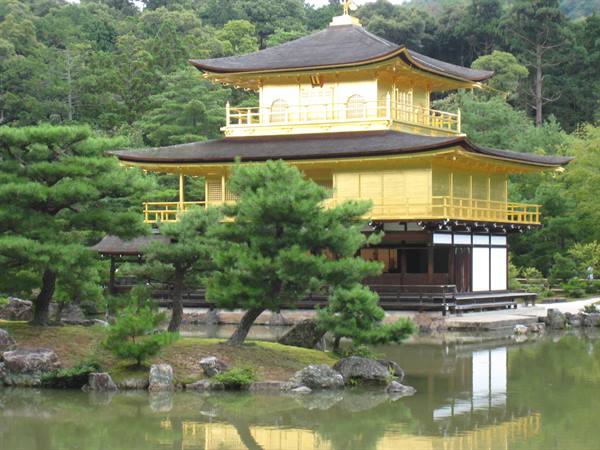
Without going into detail we visit the Buddhist temple Chion In, one of the most sacred places in Japan, as well as being a wooden building of great visual impact. Here is also found the largest bell in Japan which requires 17 men to be made to ring. We have a packed lunch, rice-based, in the presence of the Shinto shrine Heian Jingu, whose Torii of the main entrance is the largest in all of Japan, and the main building, the Shaden, is designed as a reproduction of the imperial palace of Kyoto. The afternoon is dedicated to visiting Nijo Castle, also a UNESCO World Heritage Site. From here we take the bus and reach the celebrated Golden Temple Kinkaku-Ji (Golden Pavillion). It's easy to understand why it is one of the most famous and photographed sites in Japan.
In the evening we return to the hotel and after a bit of relaxation we decide to return to Kyoto Station in search of another restaurant, this time Japanese.
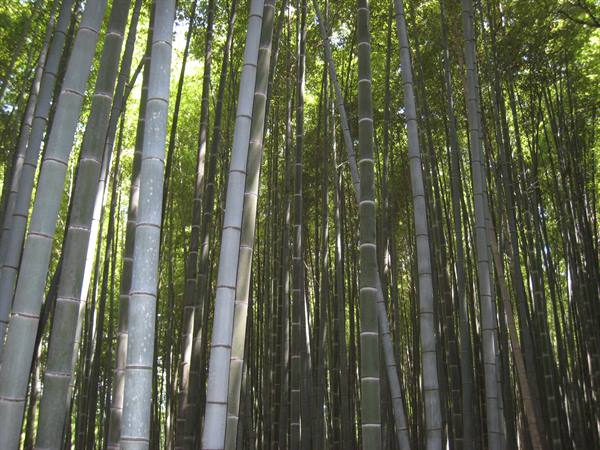
Kyoto - Bamboo forest
Day 103 Aug 2009
Kyoto – Nara – Kyoto
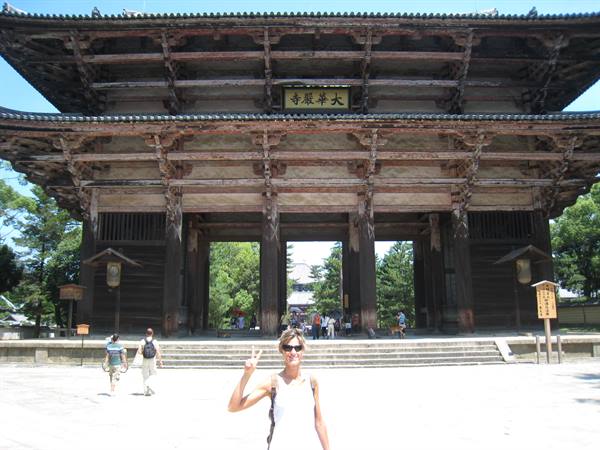
We dedicate most of the day to visiting Nara, a little more than half an hour by train from Kyoto. Nara, which is the capital of the Nara prefecture and the largest city in this prefecture. The ancient capital of Japan from 710 to 794, it was declared entirely a world heritage site by UNESCO. Buddhist temples prevail in the city. Among them the six great temples which are called Nara Rokudai-ji (the six great temples of Nara). In particular, not to be missed is the Todai-ji temple, the largest of the six, which is one of the most important monuments of the city and is also the largest wooden building in the world. Inside is the statue of the Buddha Daibutsu, dating back to the mid-8th century. The statue is made of bronze and gold, measures 16 meters in height and weighs over 500 tons. Apart from the heat, Nara and its park are very evocative.
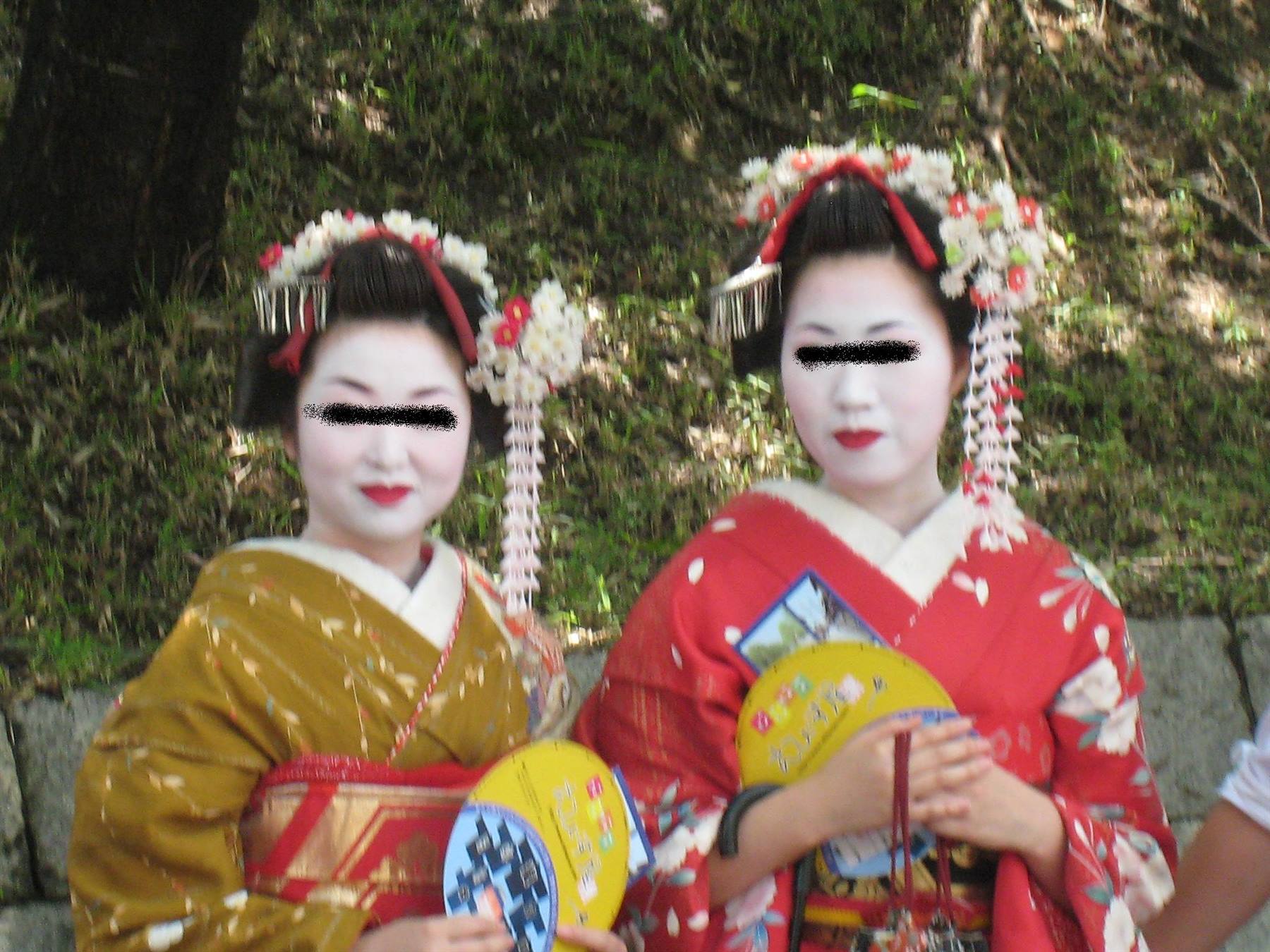
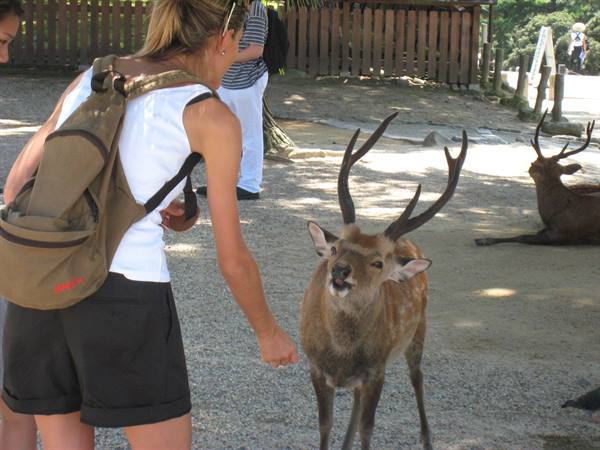
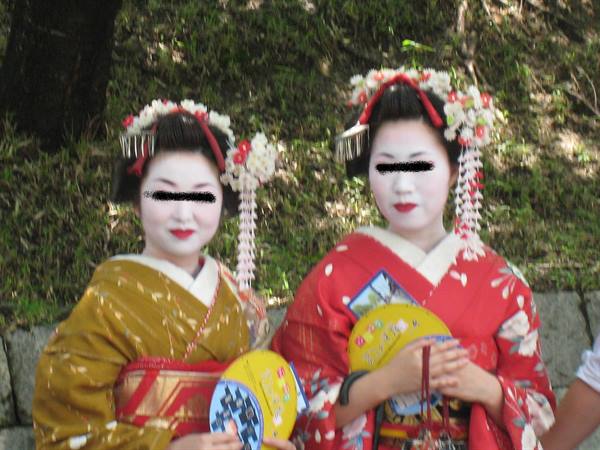
The place is also famous for the presence of deer that roam freely and wait for food from tourists. At 16.00 we are back in Kyoto. We visit the Hongan Ji Temples (Higashi and Nishi). Of the two the most evocative is the Nishi, declared a World Heritage Site by UNESCO. We continue east, to the Kamogawa river. After a break in the hotel, we head towards the Gion district (famous for being the place of the Geishas). We have dinner in an excellent sushi-based restaurant a stone's throw from the Sanjo Dori bridge that crosses the Kamogawa. On the banks of the river, at sunset, young people use to sit with a beer to wait for the fall of the evening. We do the same thing too. Very pleasant. We walk back to the Hotel.
Takayama - sake distillery
Day 114 Aug 2009
Kyoto
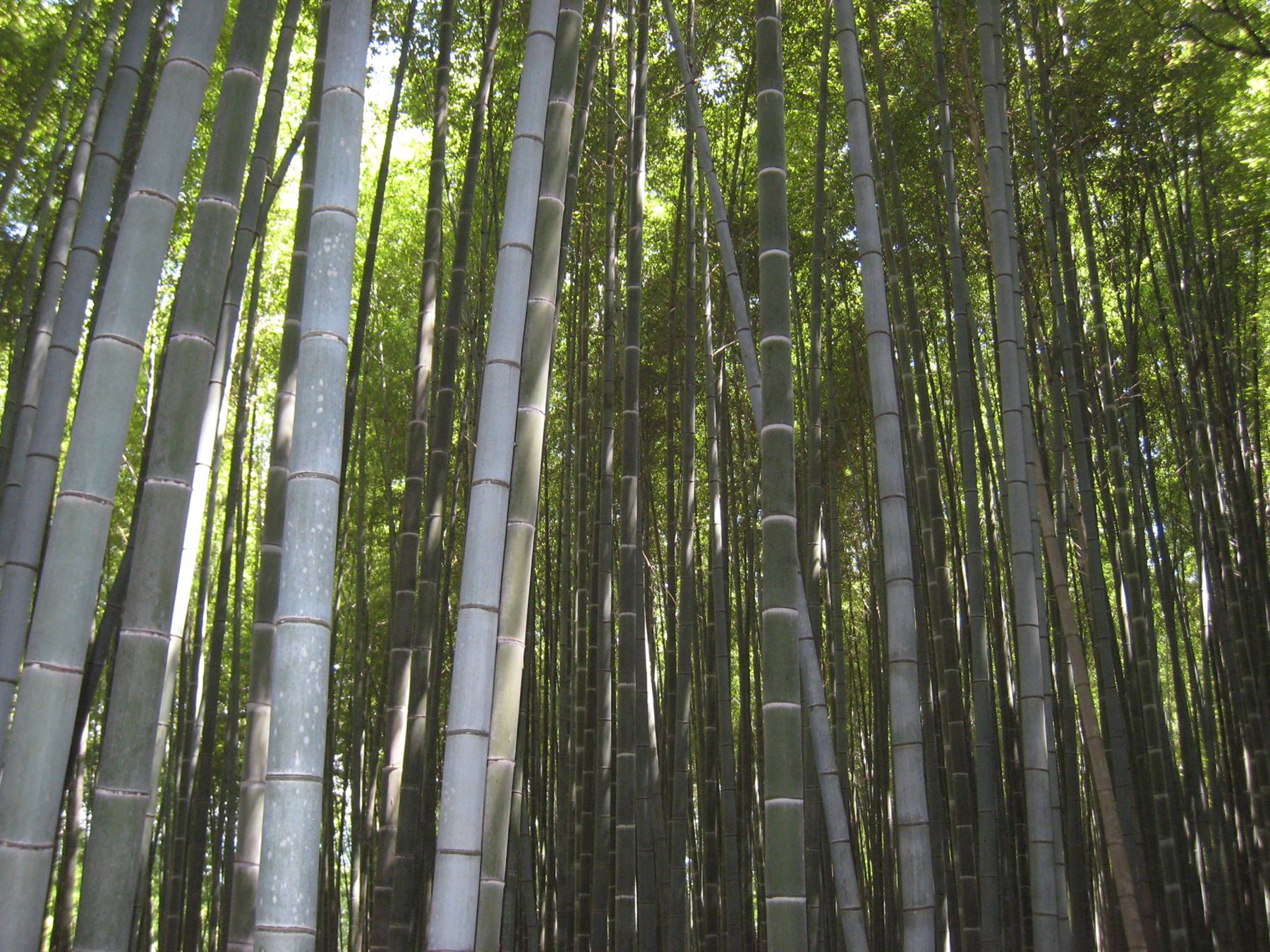
We dedicate the morning to visiting the Zen Temple of Tenryu Ji, northwest of the city, in the Arashiyama district. To reach it we take the Sagano Line from Kyoto Station. The station is just a few hundred meters from the site. The usual humid heat doesn't prevent us from visiting the temple gardens and the entire site which, naturally, has been a UNESCO World Heritage Site since 1993. The temple is also a short distance from the famous Bamboo Path, the path that crosses a bamboo grove unique of its kind. It's pleasant to walk among these canes up to 10 meters tall. Moreover, finally, we understand what is written on my T-Shirt (bought at Kyoto Station the day before) that so amuses the Japanese. The image of the Doraemon puppet is accompanied by the phrase "Doraebond" in honor of James Bond. It seems that for them it is particularly funny.
On the way back we get off a few stops before Kyoto Station, at the height of Nijo Castle. From here, after a refreshing stop in a Family Mart where we get a packed lunch, we head by bus towards the Kyoto Imperial Palace, the site where even today the coronation ceremony of new Emperors is celebrated. We consume lunch, obviously rice-based stuffed with seaweed and fish, in the shade of the trees of the park that surrounds the palace. The intention would be to also visit the palace, but the 14:00 tour, the last one, is full. We take the bus again towards Ginkakuji Temple (Silver Pavillion) east of the Gion district. The garden is fairytale-like, even though the main building is under restoration.
At this point we decide to stroll through the streets of Central Kyoto, visiting the Nishiki Market, where the most curious food varieties for us Westerners are displayed, and then the various "Arcades" intended for shopping. We drink a beer sitting on the edge of the Kamogawa to enjoy the last moments of light in this city. A few drops of rain make us take the road to the Hotel where we go to freshen up and wash before having dinner once again at Kyoto Station, which won't be the height of imagination, but it's convenient, full of pleasant restaurants and full of young people. The number of Europeans who have arrived in Japan has decidedly increased, you can tell that it's August now.
Nikko - Tomb of Ieyasu
Day 125 Aug 2009
Kyoto-Himeji-Hiroshima-Miyashima
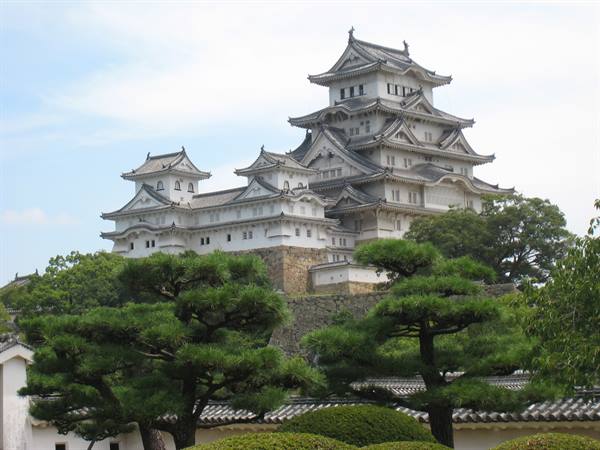
We leave early in the morning from Kyoto Station headed for Hiroshima. The Shinkansen Hikari takes about 2 hours. Along the way, however, we decide to change the itinerary we had planned and get off at Himeji. We thus move today's visit to the "White Heron" castle so that we can take it easier tomorrow, staying in Miyashima all morning. Himeji castle is spectacular in its candid white color that stands out from the height on which it was built. It is one of the oldest structures of the Sengoku period that have come down to us and since 1993 it has been included in the list of UNESCO World Heritage Sites. A stop is a must for anyone passing through these parts. After changing the seat reservations on the trains, eliminating the Himeji stop planned for tomorrow, we take the first available Shinkansen to Hiroshima.
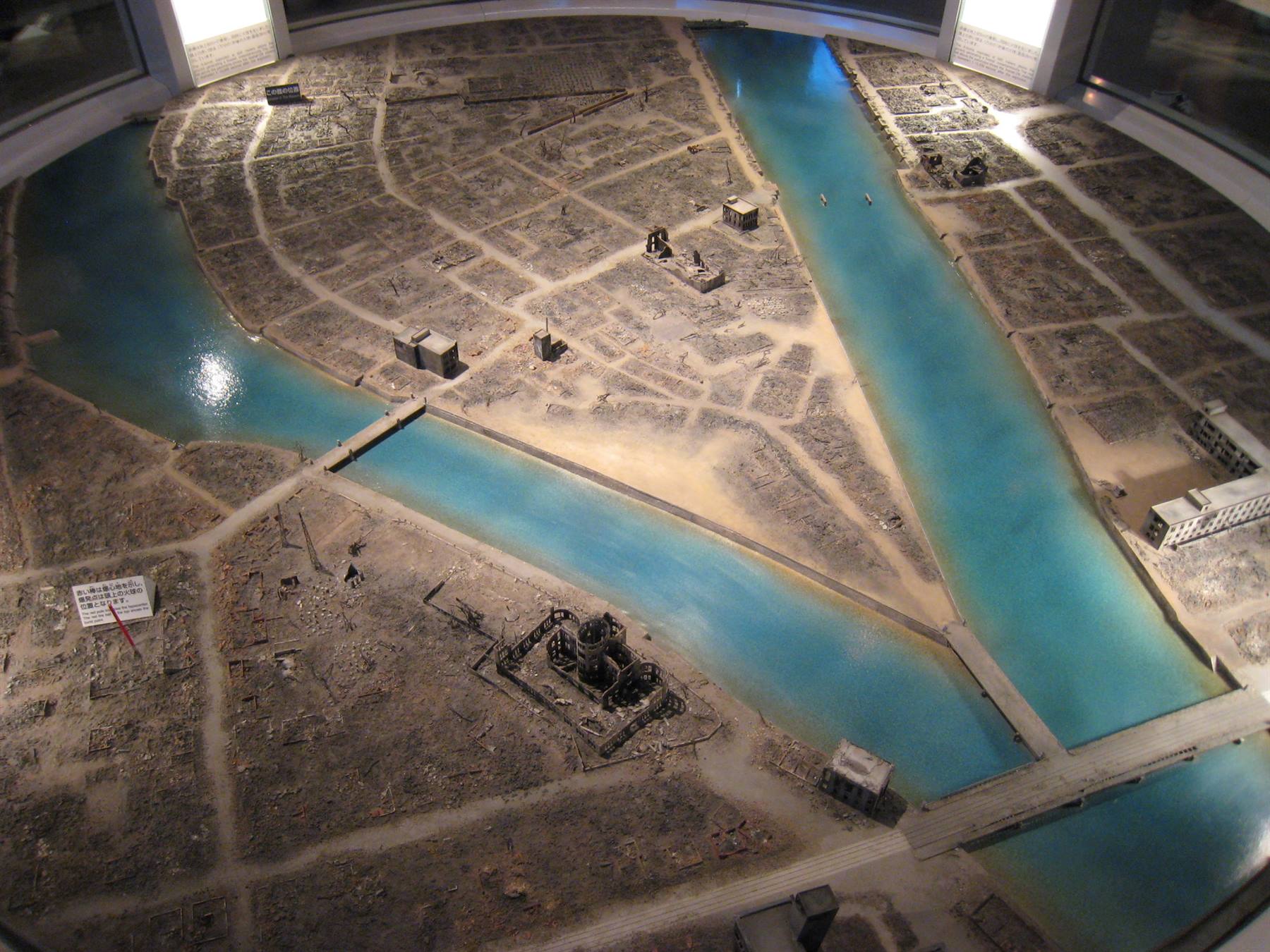
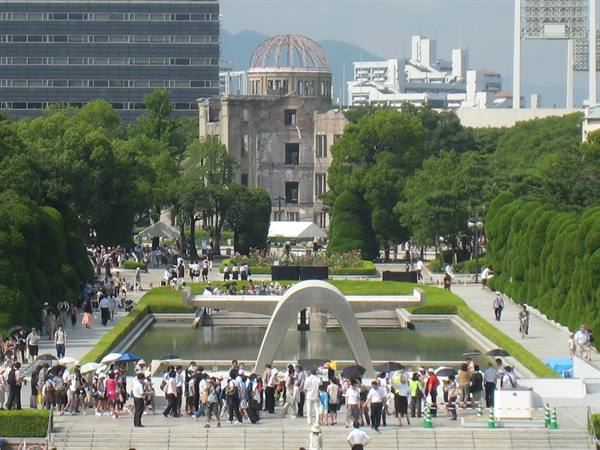
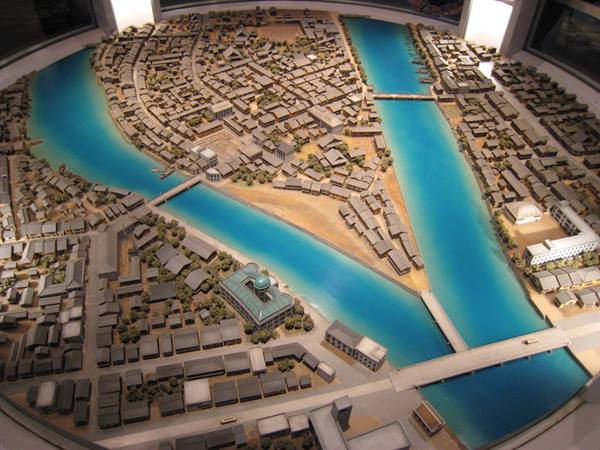
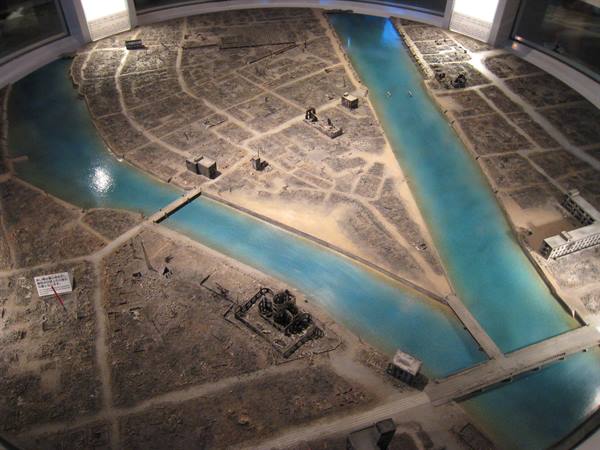
Having changed itinerary at the last moment we decide to try the cars dedicated to those who haven't reserved a seat. Unfortunately there are only seats in the smoking one, but fortunately the journey is short. Today is August 5 and tomorrow, August 6, marks the 64th anniversary of the dropping of the atomic bomb. In a city made red-hot by an unbearable humid heat, preparations for the commemorations are in full swing. In the presence of the "A-Bomb Dome", the building left partially standing after the explosion, various demonstrations cry out in unison the desire for nuclear disarmament.
In the peace park, near the perpetual flame that will be extinguished only when the last atomic bomb is dismantled, a few steps from the Cenotaph that keeps for eternal memory the names of the over 200,000 victims, the stage for the celebrations is being set up and rehearsals are being done for the television coverage. We visit the museum in memory of the victims and the peace museum. All very interesting. Striking is the attempt, apparently successful, to keep alive the memory of a terrible tragedy that happened 64 years ago, whose visible effects have by now completely disappeared for years (Hiroshima is a modern city, if you will also ugly). From year to year the survivors, today over 65 years old, are decreasing at a rate of about 5000 a year, also due to illnesses.
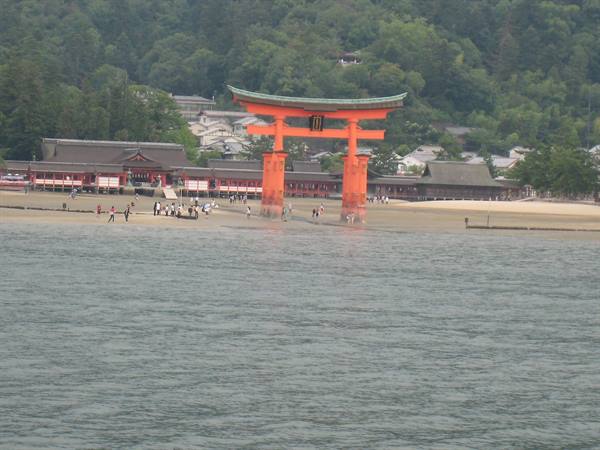
Who knows if all this has served and will ever serve to contribute to ensuring that an atomic war never happens again (since in the world it is estimated that there are 20,000 nuclear warheads, enough to call into question the very existence of man). It's time to leave, sweaty and hot, headed for the island of Miyashima. We take the Sanjo Line from Hiroshima Station and, having gotten off at the Myashima Guchi stop, we take the ferry that in 10 minutes takes us to this sacred island, largely declared a World Heritage Site (Cultural and Natural) by UNESCO. Cultural Heritage because it houses the Itsukushima Shinto Shrine, famous, besides for its history, also for its position. Built on stilts it undergoes the perennial cycle of the tides that every 6 hours transform it from a shrine suspended in the water to a shrine immersed in the muddy sand.
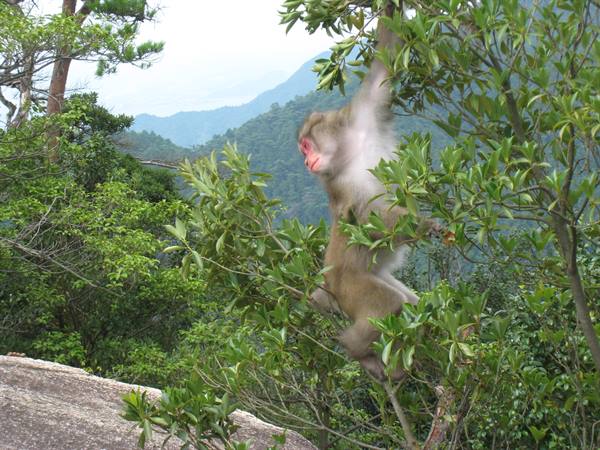
The shrine, with its ancient red Torii that emerges from the water, is one of the three most evocative sites in Japan. Natural Heritage because behind the Shrine, Mount Misen is entirely covered by primary forest populated by sacred deer and monkeys. We arrive at low tide, so the shrine emerges from the sand and it is possible to walk all the way to reach the red Torii. We realize that the choice to sleep on the island (Grand Hotel Arimoto) is particularly apt because we will be able to enjoy the peace of the island after the tourists who come and go for the day have left. The accommodation at the hotel is spectacular. The room is western style for the beds and bathrooms part, but is Japanese Style for the living area. In short we stay in a sort of 70 square meter suite where the Tatami with the little table where you have tea alternates with the comfortable western-style beds.
We put on the yukata and take quite a few photos. The kindness and professionalism of the staff is incredible. We have dinner at the hotel with Japanese food (from sashimi to other dishes like oyster soup etc..). Truly one of the most evocative accommodations of the vacation. After dinner we walk through the little streets of the island that lead to the Shrine lit in an evocative way. A few deer cross our path, look at us hoping for a bit of food, and go away.
Tokyo - The Imperial Gardens
Day 136 Aug 2009
Miyashima - Tokyo
We dedicate the morning to the "climb" of Mount Misen. Given the impressive heat and given the little time available, on the way there we take the cable car that in a few minutes takes us to 500 meters of altitude, in the middle of the primary forest populated by nice little monkeys. The view is 360 degrees over the Inland Sea. All around the island you can clearly see the oyster farms. The descent takes about 1 hour. We realize how wise we were not to do it going up. It's hundreds of steps that if we had had to walk with this heat they would have exhausted us. However, we meet someone who attempts the feat. After a stop at the hotel to try to stop the incessant sweating, we take the ferry again, and then the train to Hiroshima. From here the Shinkansen Hikari takes us back, via Kobe, to Tokyo. It takes just 5 hours to cover the over 1000 km of distance.
We arrive at Tokyo Station around 19. With the Narita Express we arrive at the airport where with a shuttle we reach the Radisson hotel for the night. Since tomorrow's flight is at 13.00 we decided to sleep near the airport to avoid doing everything in a rush.
Kyoto - Geisha
Day 147 Aug 2009
Narita - Milano
After breakfast we spend about an hour and a half between pool and sauna, the right relaxation before the flight that in 11 and a half hours takes us back to reality. We arrive on time at Malpensa with JAL flight at 18.45. The Malpensa Express trains all run with an unspecified delay. We therefore take the bus that leaves…when it's full. Italy is beautiful also for this.






1 reader comments
racconto bellissimo!