The story
In this trip we saw only a small part of India; reading and researching before departure, I think I can say that there are many Indias. Ours was the one where, from the 14th century onwards, Maharajas and courts succeeded one another, building fantastic palaces and forts which today, in 2014, are surrounded by extreme poverty.
Books like those of Terzani, Rampini, Pasolini, newspapers and documentaries can try to prepare you for India, but India is always a surprise. From what I saw, it is an overpopulated country, where there are enormous crowds; Delhi is terribly polluted and dirt seems to be everywhere, even in the Thar desert.
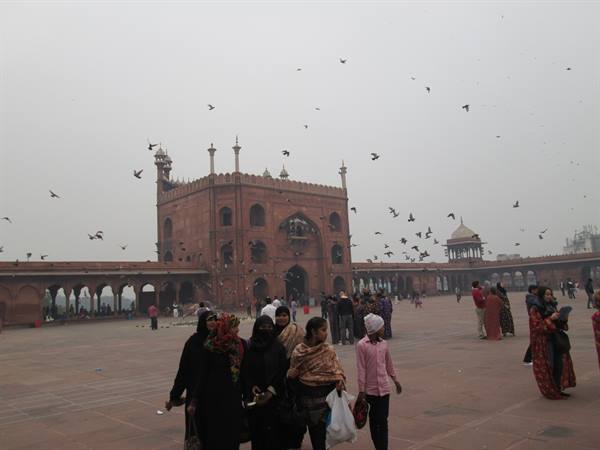
On 27 January my Indian adventure began; after the flights Bologna-Frankfurt, Frankfurt-Delhi, we arrived in the Indian capital. The first thing that moved me were the sculptures at the Sonia Gandhi airport, the nine mudras. What are they? Spiritual gestures made mostly with the hands, inspired by Taoism or Hinduism. Once at the hotel we began visiting the great mosque of Delhi, and there came the first encounter with the poverty, the chaos and the smell of India. Yes, because outside the hotel there was a shantytown, open sewers, cows grazing freely between asphalt and filth, and air that after just two hours gives you a huge cough. Once we left the mosque - which is beautiful but, perhaps because of the fog and drizzle, certainly did not show itself at its best - we took a rickshaw ride. Ours is an organised trip and we practically had no choice...
Given the traffic and the conditions, I would have preferred not to do it... In short, riding on a bicycle cart where a poor man has to pedal... I cannot conceive of the exploitation of man, and even more I was terrified of colliding with and running over people, cows, cars at least 1,000 times in half an hour; both my mum and I breathed a sigh of relief once we got off...
The following day we set off for Agra, and after about 3 hours of motorway we arrived at our destination.
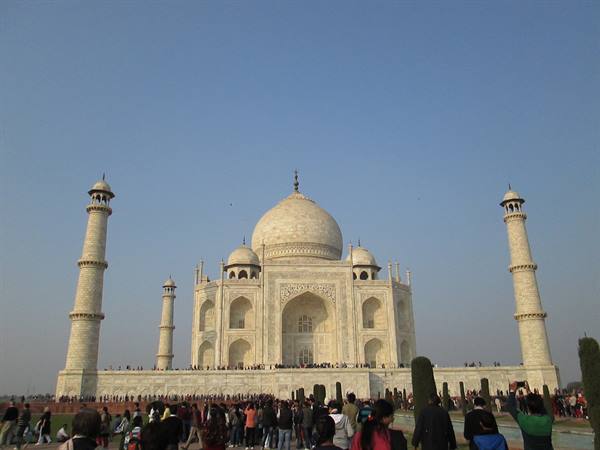
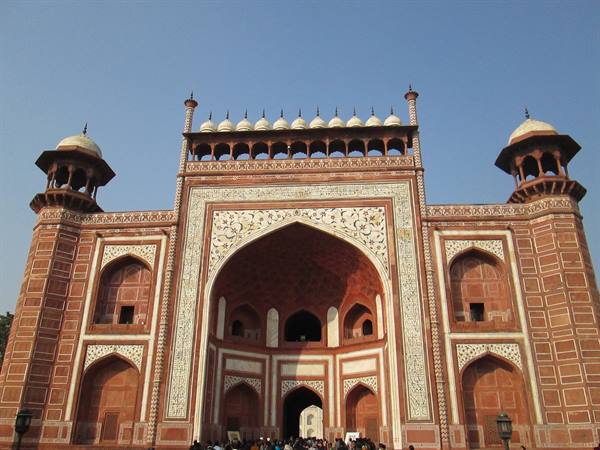
In the afternoon, after lunch at the hotel, we went to visit the Taj Mahal... what an emotion, when after the red gate you see that magnificent structure on the horizon, it seems like a dream! The Taj Mahal, the symbolic monument of India, was built in the 1600s as a mausoleum for the emperor's wife, who died giving birth to his fourteenth child - that is why it is called the monument of eternal love. It has a unique refinement; I also went inside, despite the little time available... inside there were lots of people looking at the two tombs! On leaving the mausoleum you find a river bed and the city of Agra, beautiful! Also in Agra we visited the Red Fort, which is stunning too!
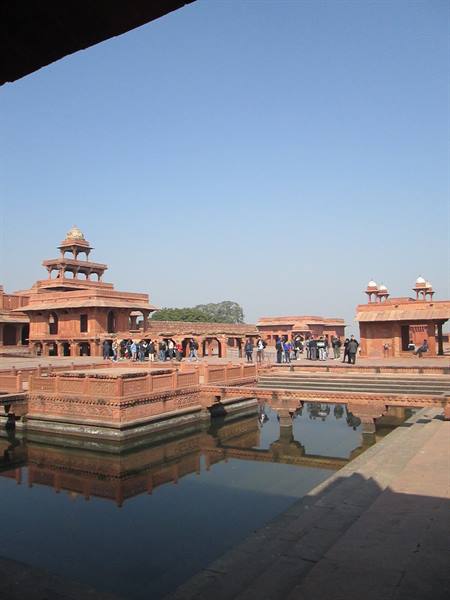
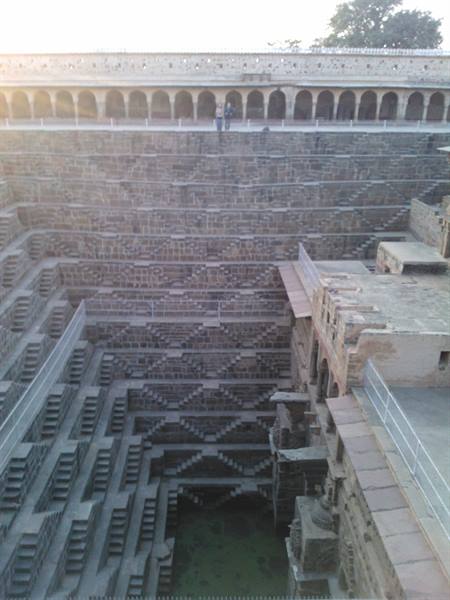
The following day we left Agra and the state of Uttar Pradesh to reach Rajasthan, the land of the maharajas. Along the way we stopped at Fatehpur Sikri and the Palace well, beautiful constructions! The first town was abandoned for lack of water but is still excellently preserved! In the evening we arrived in Jaipur, a town famous for its castle and its gemstones. The next morning we climbed to the old Amber Fort on elephant-back; I would have preferred to walk up on foot, but I was given no choice... here too, as with the rickshaw, panic! I adore animals and cannot bear their exploitation, all the more so when your elephant driver has an iron with a huge spur and you see him beating the elephant to urge it to walk. I felt sick for the elephant; at the second blow I told him to stop, and he went on without any more whipping.
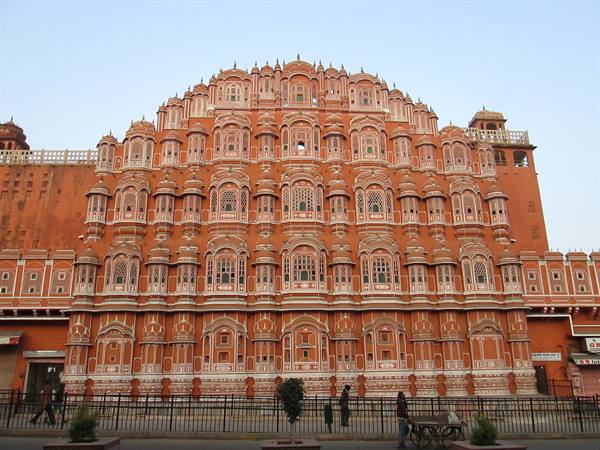
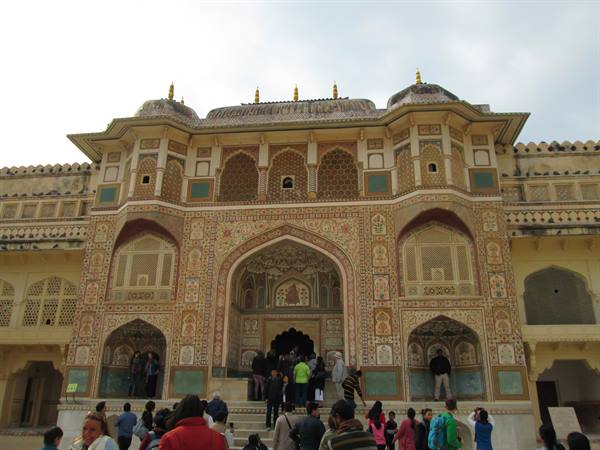
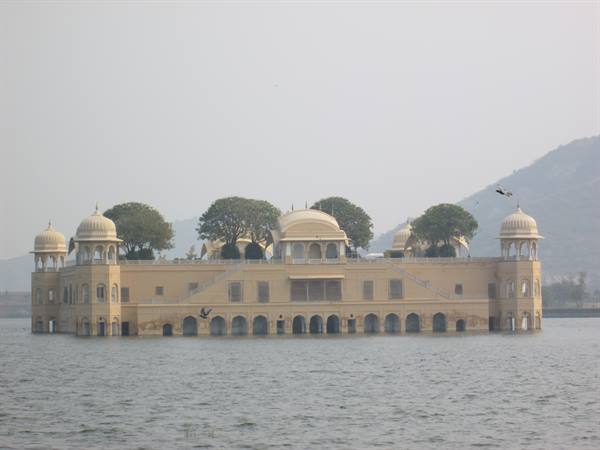
That is not all: our howdah was leaning a great deal to one side and my mum and I made the climb to the castle fearing we would fall, and once we had our feet on the ground we thanked higher powers for our safety. Apart from the arrival, Jaipur is magical: it stands on a plateau, among the hills, with a lake and a geometric garden in the valley below. Wonderful palaces and fairytale decorations. A place where time has stopped and where, if you sit for a moment on a low wall, you can enjoy good air, sunshine and artistic marvels! In the afternoon we visited the astronomical observatory.
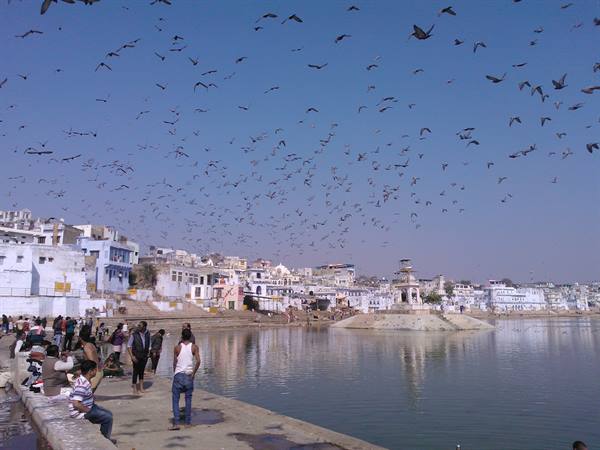
On the sixth day we set off for Pushkar, the famous town where the world's most famous camel fair takes place, and where we received the blessing of Brahma. Pushkar indeed has a lake considered sacred by Hindus, and on the last day of 2013 we received a blessing and had a bracelet put on our wrist (on the right for the unmarried, on the left for the married). Here are the thousand contradictions of India: you get blessed by a holy man, who makes you repeat a mantra with him without even knowing what it means. Then another holy man approaches, but he is rudely sent away by your own holy man because the first is afraid he will steal his client... Everything is business... the moment at the lake in Pushkar pleased me because it allowed me to be in a sacred place frequented by locals. The reflections of rose petals in the water, used to have prayers granted, are beautiful.
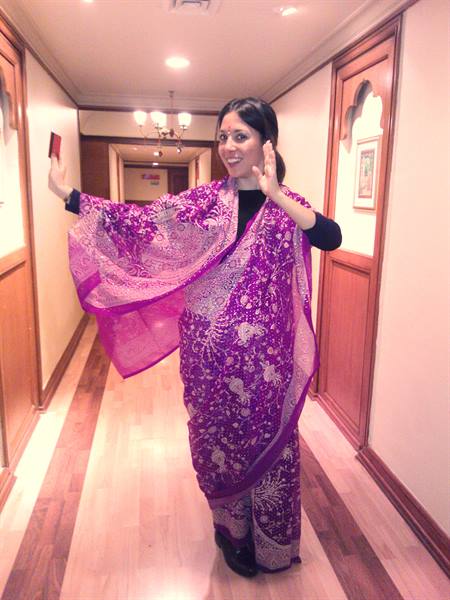
Afternoon on the coach and at last we reach Jodhpur! New Year's Eve dinner dressed in a sari in a mega hotel where we are the only Westerners!
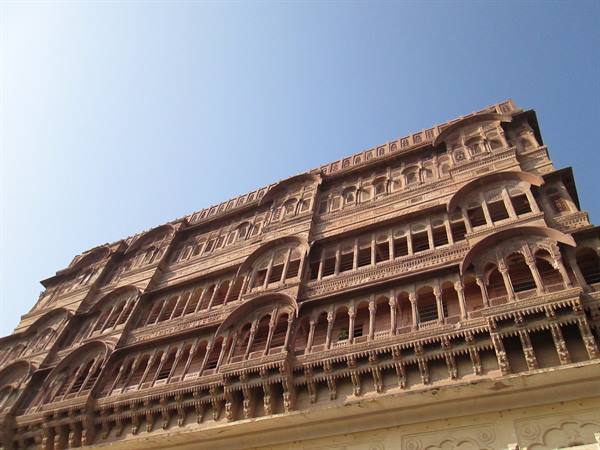
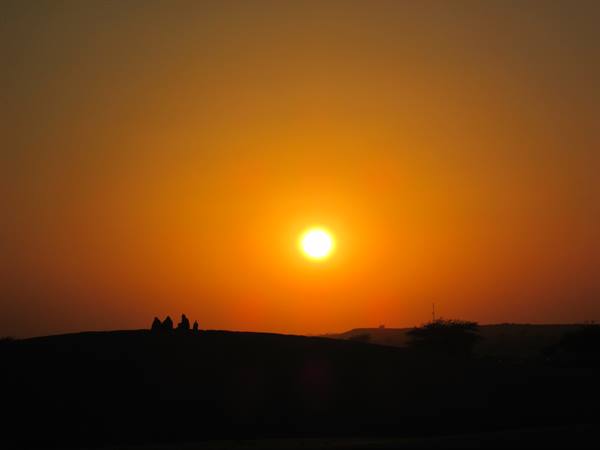
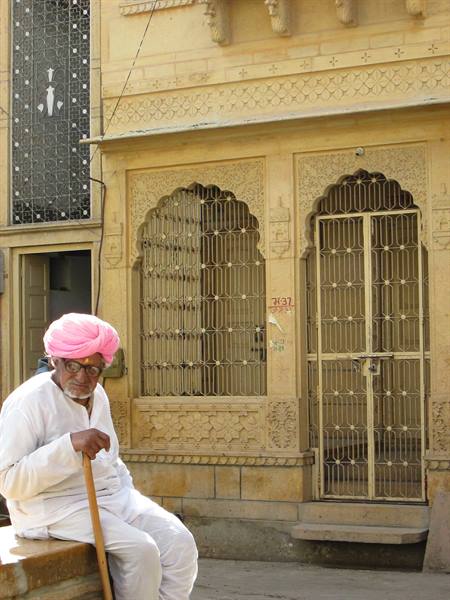
Seventh day of the tour in Jodhpur; we visit the Meherangarh Fort, beautiful, but with a freezing wind I would never have expected to find in India. In the evening we arrive in Jaisalmer. The following day we visited the beautiful old city, whose entrance gate bears carvings of women's hands to commemorate the women who immolated themselves after their husbands' deaths; in the afternoon, the camel ride in the Thar desert (which is a desert in name only, since it is very crowded) to admire the sunset. Still, it is worth it to see the sun disappear among the dunes... and in the evening at dinner???? None other than Zucchero Fornaciari with us!!!!
On the ninth day we set off for Bikaner, where we stayed in the Maharaja's palace and visited the Junagarh Fort.
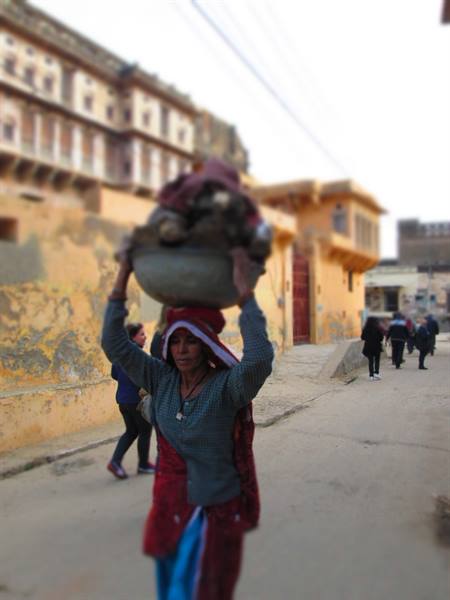
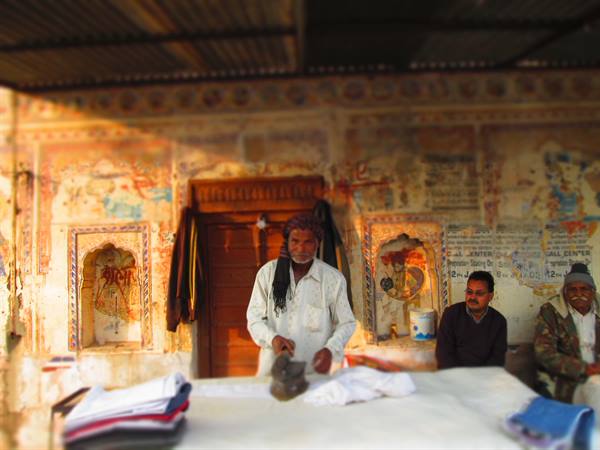
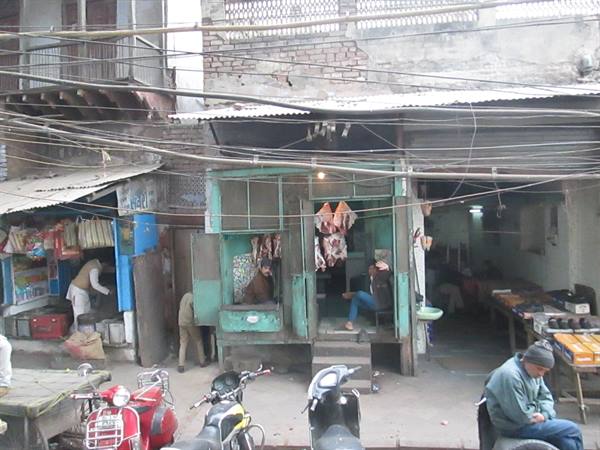
The following morning we leave for Mandawa, a town famous for its havelis, richly painted merchants' houses. What a sense of decay in this little town that once had splendidly decorated palaces but leaves them now to neglect and the onslaught of the weather. Mandawa is worth it to see the real life of Indians: men ironing in the street, pastry cooks, men making tea... and then last but not least, staying in the most evocative and characteristic hotel of the tour: Castle Mandawa! MAGICAL!
The following day, after about 7 hours we returned to Delhi, where in the little time available we plunged into the 3 malls in front of the hotel (The Grand). We all went crazy seeing the beauty of the hotel and the malls; incredible, after days in Rajasthan seeing progress and the hyper-consumerist world has a strange effect...
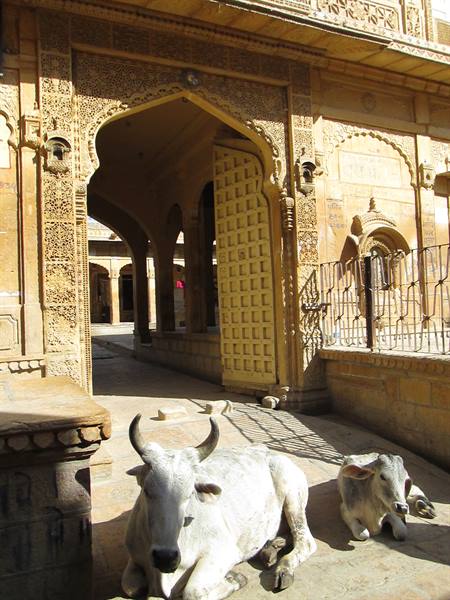
What can I say after about 10 days in India... It is a splendid trip, in which you see so many contradictions! People who seem to be endlessly waiting at the roadside, chaotic traffic, sacred cows forced to eat rubbish on the ground, cows on the motorway as the stars of the road... And then these marvellous palaces that make you feel you are in fairytales at the home of princes and princesses.
...And the way of living, without too much stress and anger, serene and always smiling... This is what we should learn from India: calm and tranquillity... smiling despite everything. I hope to be able to return soon, perhaps to see Bombay and Bangalore
The journey's photographs
19 photographs · click to open them full screen
0 reader comments