The story
The head of state is the king. Since 1986 King Mswati III has reigned, having succeeded King Sobhuza II, who died in 1982. By tradition the monarch reigns together with his mother, the Indlovukazi, that is, the She-Elephant. The former is seen as the administrative head of state while the latter is seen as a spiritual head of the nation. The king not only appoints the prime minister, head of government, but also a small number of representatives of the two chambers of the Libandla, the parliament. The Senate consists of 30 members while the House of Assembly has 65 members, 55 of whom are elected every five years. With all this power in the king's hands, despite the presence of a democratically elected parliament, Swaziland is technically an absolute monarchy.
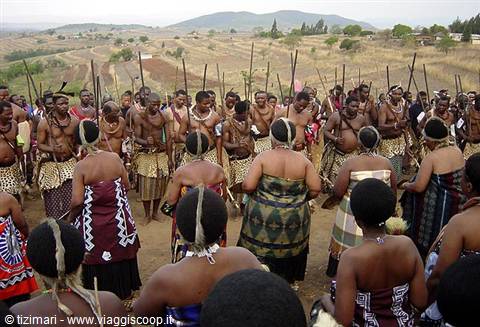
Mswati III has often been criticised for his carefree lifestyle in a nation hit by the highest rates of HIV infection in the world. His collection of luxury cars and the millions spent funding the lavish residences of his numerous wives contrast with an unemployment rate of 34% and the fact that 70% of the population lives below the poverty line on less than a dollar a day. Swaziland is one of the poorest nations in the world and has a very low human development index. King Mswati took the occasion of his 33rd birthday celebrations to forbid young women from having sex before marriage, wearing trousers and even shaking hands with men. The ban imposed in 2001 on the country's teenage girls was later suspended in 2005. With the big tassels they were made to wear, burned in a public square, the (eccentric) attempt to curb the world's highest rate of AIDS sufferers also went up in smoke.
The journey's photographs
5 photographs · click to open them full screen
0 reader comments