The story
On 15 April, after a 6-and-a-half-hour flight with Livingstone, I arrive in Boavista at local time 12.30; outside the airport I find Pier waiting for me (among the various offers received for a single traveller I decided in fact to opt for the "B&B Criola", not only because it's directly on the beach, 20 m from the sea, or because it's 200 m from the centre of the town, but also and above all because it's run by Pier Giorgio Scaramelli, a great desert marathon runner [races held all over the world] and now for 9 years the organiser and president of the ultramarathon ( During the short journey I explain that I'd like to see part of the island on foot and part by car; Pier immediately seems enthusiastic about it.
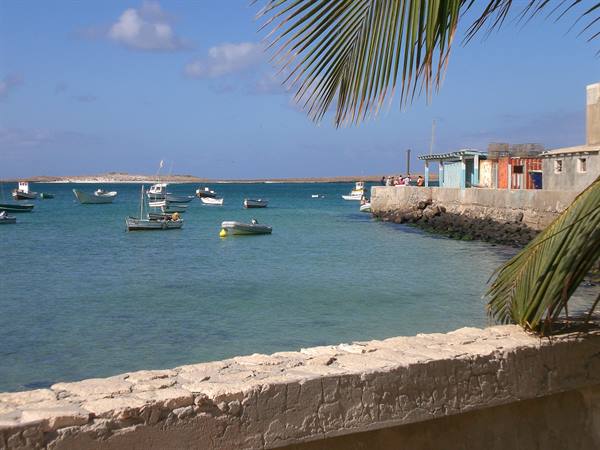
I arrive at his B&B and find exactly what I expected, a nice little house by a turquoise-blue sea, where Pier has set up two rooms with bathrooms for tourists and a fitting ethnic-style décor, and he loves a holiday like being with family and above all in contact with the life of the town of Sal Rei.
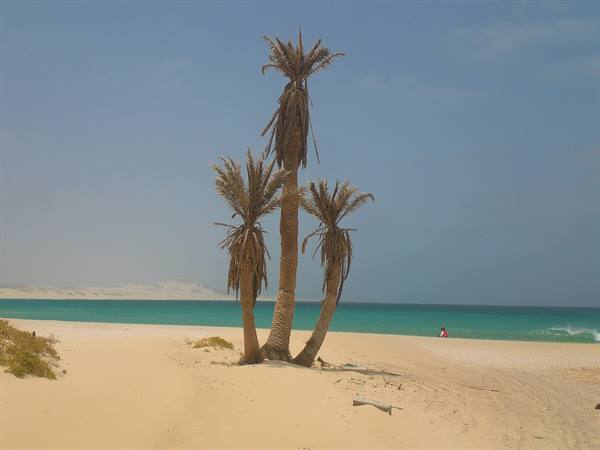
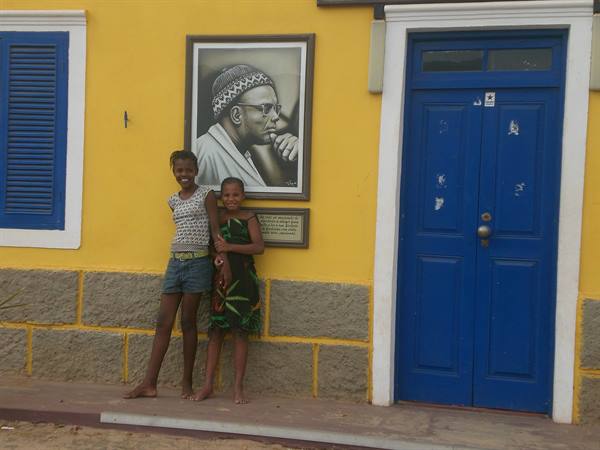
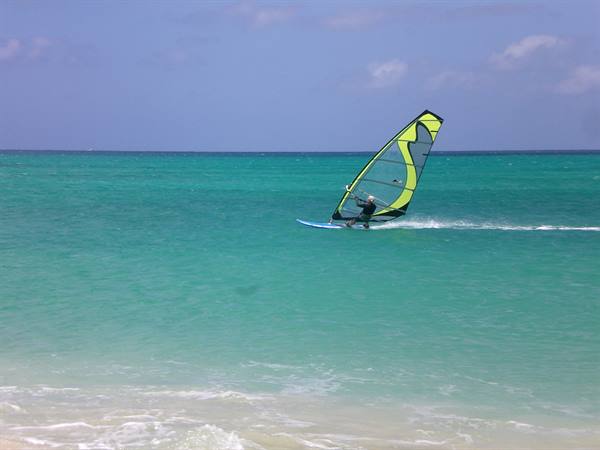
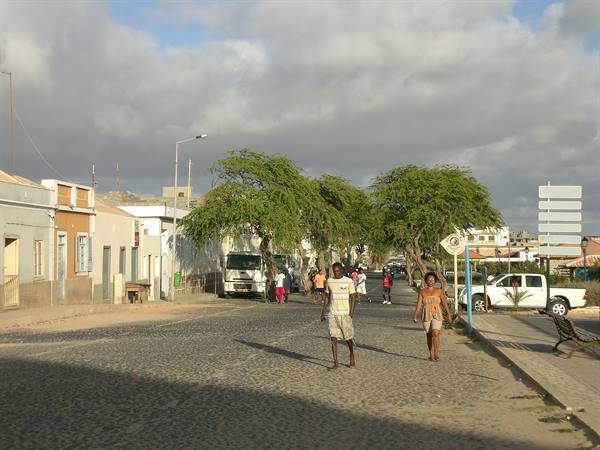
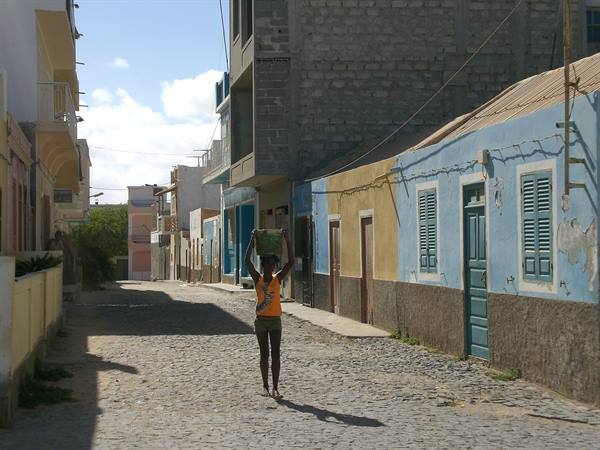
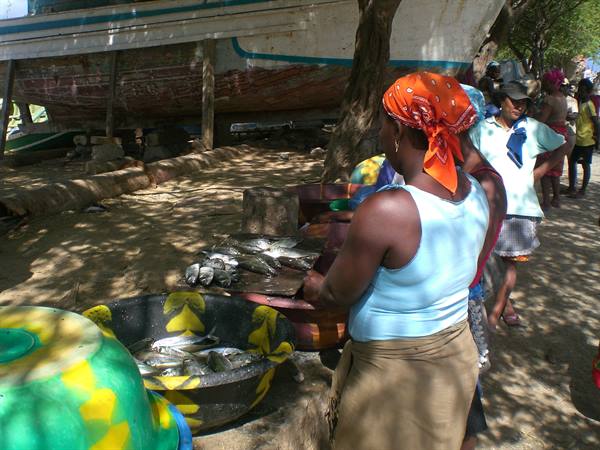
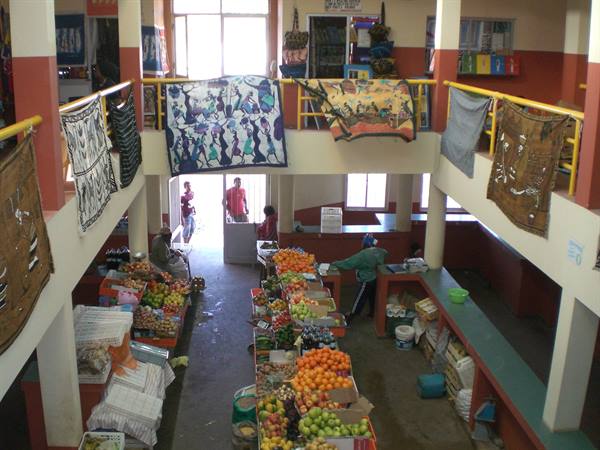
The afternoon of the 1st day and the 2nd day I devote to resting on the beach at "Tortuga", to lovely walks on the white beach bordered by a turquoise sea and to photographing the life of the locals in Sal Rei; I also plan with Pier the trek we'll do around the island from the 3rd day onwards; he'll be my guide and we'll follow the routes of the ultramarathon! I also meet Claudia, a woman from Florence who works in the social sector in Boavista and who, through her association, tries to lend a hand to the most needy in the area, especially the children, because, coming from Italy, I too thought of bringing a bag of school supplies for the children, a gesture that costs us little but means a lot to them.
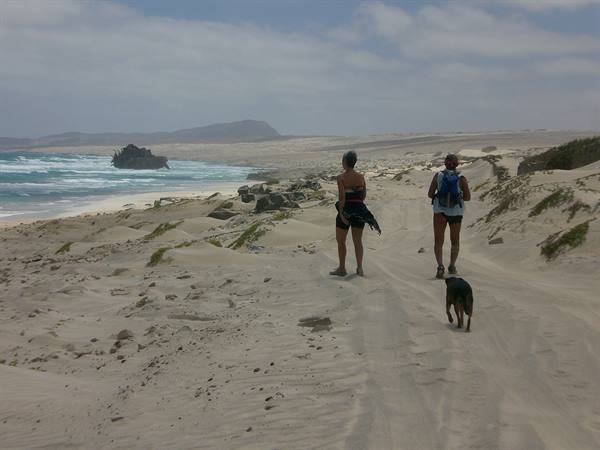
In the evening I go to eat at the Blu Marlin, a restaurant in the central square where for 15 euros you can eat fish of every kind! On the 3rd day we finally pick up Claudia, who has joined us to start the trek around the island. We rely on the expert hands (or rather feet) of Pier; we take a road that leaves Sal Rei and follows the sea as far as the "Marine Club", where the first thing we see are the tombs of the members of the Ben Oliel family, a Jewish family of Moroccan origin who, driven out of Morocco in the mid-1800s, settled in Boavista where it became the richest and most influential. We continue along a sea with beautiful coves as far as the church of Fatima, then head towards the "Boa Esperanca" beach, where the wreck of the Santa Maria lies, a merchant ship that ran aground in 1968 and is increasingly "eroded" by the sea, but which offers a decidedly evocative view.
This merchant ship also carried newspapers (especially photo-novels) that you can still see and read today because they're still preserved on the beach! We continue inside a canyon and then head towards the Clotilde forest, or what remains of what was once a lush forest of acacias and palms. We end up emerging onto the "picturesque" road, which leads us back to Sal Rei; it's the first road of about 8-9 km built in Boavista with a kind of cobblestones and built entirely by the women. At around 6 pm we get home after 25 km on foot; the tiredness is great but so is the satisfaction of having seen landscapes always different from one another. In the evening I decide to eat at "Naida", a little restaurant also in the square of Sal Rei run by bubbisti [scuba divers] where for about ten euros you can eat fish.
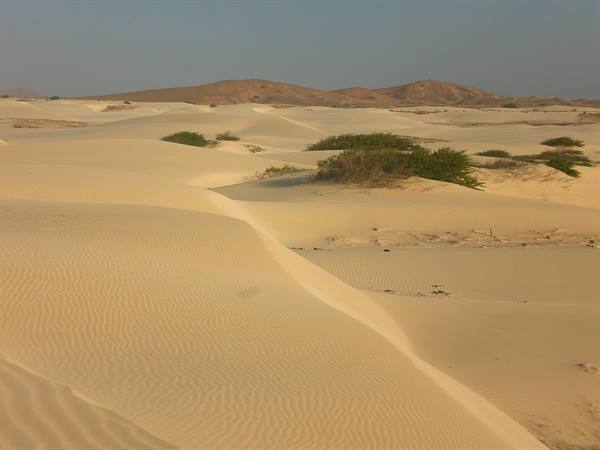
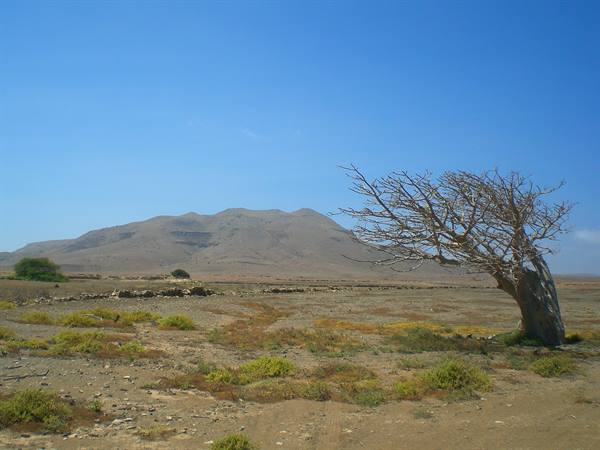
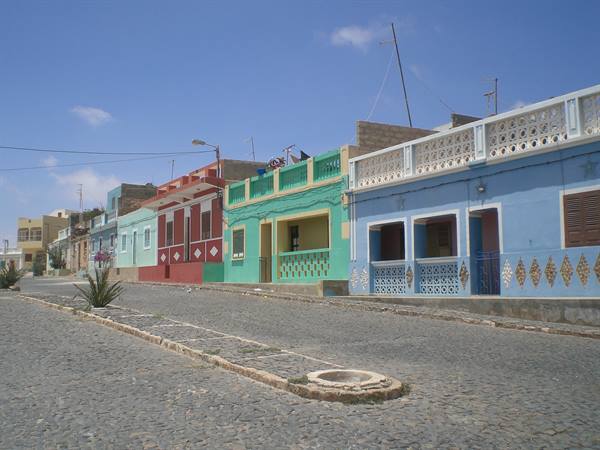
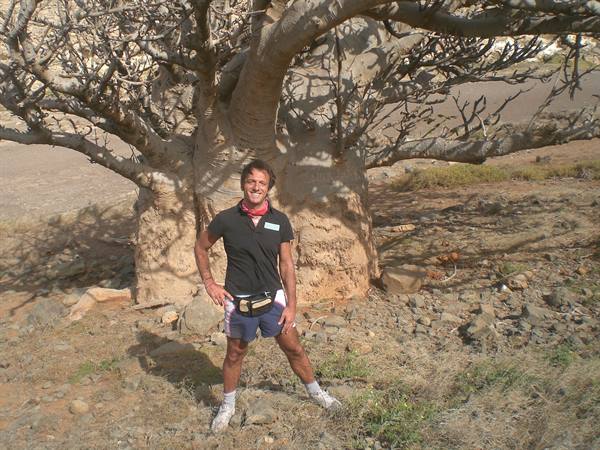
On the 4th day only Pier and I set off for the walk; fully prepared, we set off along the picturesque road and then head into the "Ribeira", where there are palms, acacias, various crops and one of the 7 baobabs present on the island; we climb a flight of steps that runs alongside the town of Estancia de Baixo and begin crossing the native "Viana" desert; we cross it along its width and then go around it for several km, defying a very strong wind, but the landscape is truly worth it. We then pass through the centre of the town of Estancia de Baixo with its low houses in various pastel colours and a calm that seems almost as if time has stopped, and then through Rabil, the second-largest town on the island, where we make a short stop to catch our breath.
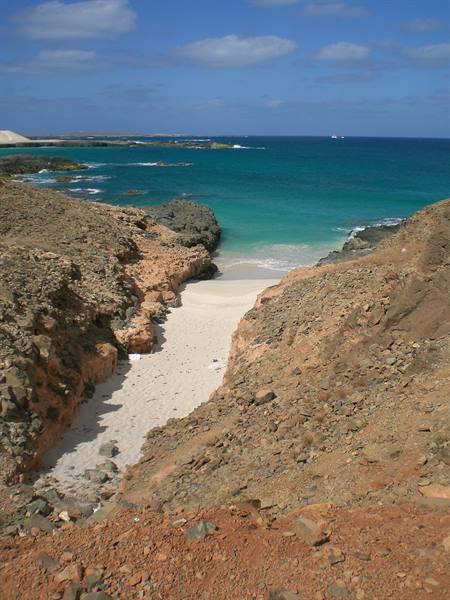
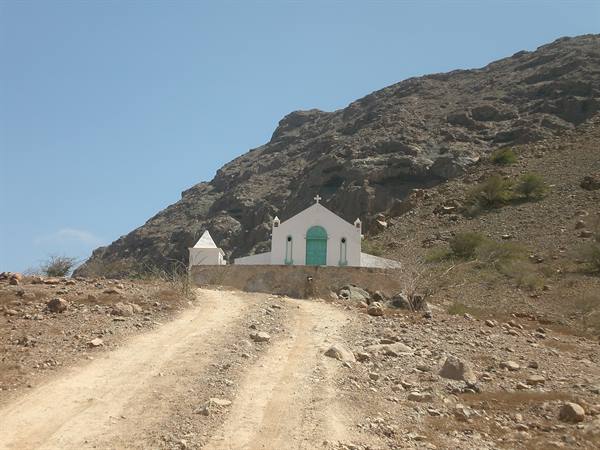
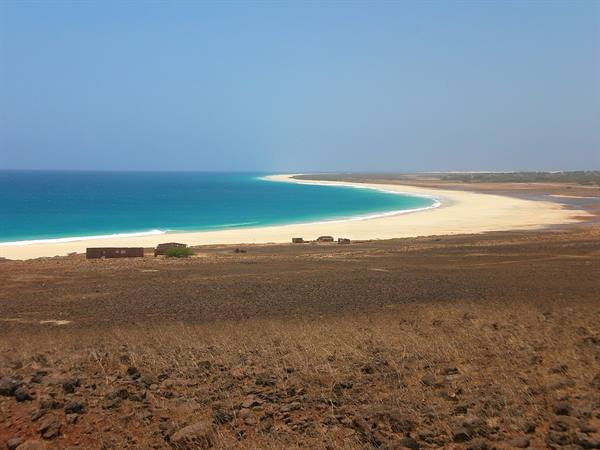
We set off again from Rabil to the "Chave" beach, where there's an old brick factory now disused, of which the chimney is still visible, and a beach among the most beautiful on the island. We head home along the whole beach, decidedly worn out after about 30 km on foot. In the evening all that's left is the desire for a good fish meal at the Blu Marlin. On the 5th day we set off with the rental car (46 euros), crossing the interior and some mountains (Rocha Estancia) towards the town of "Provacao velha", where there's a pretty white-and-green church at the foot of a rocky mountain; from here we go first to the beach of "Varandinha" (very beautiful and deserted) and "Ponta Preta", then to the most famous one, considered one of the most beautiful in the world, "Santa Monica" or Curralinho, where we stop a little to look at the white-sand beach bathed by a turquoise and green sea.
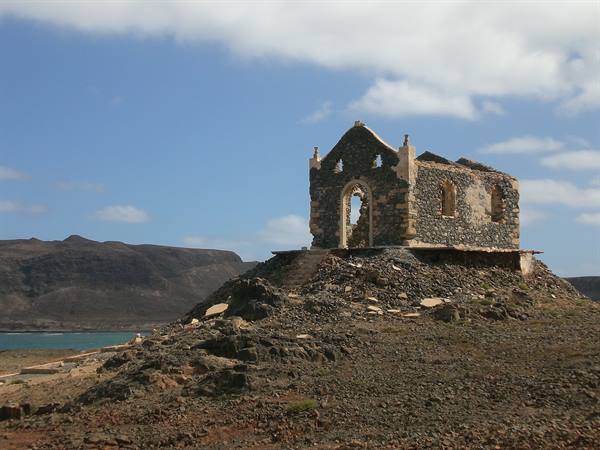
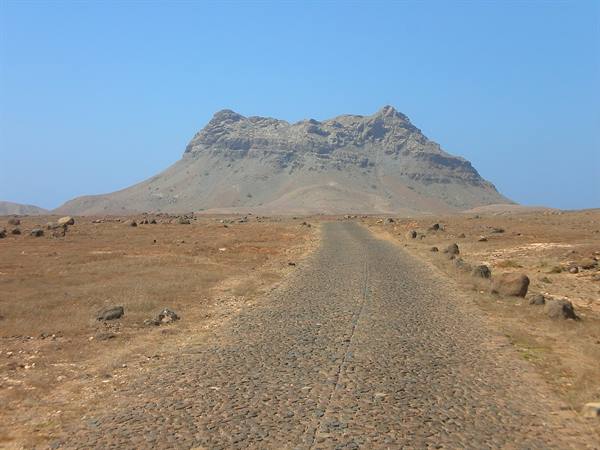
Then off again, passing through the abandoned fishing village of "Curral Velho" and its beach, following "Praia de Joao Barrosa" as far as the destination "Pico Estancia", the highest mountain on the island (400 m), which we decide to climb on foot to see the panorama of the island from above. Having parked the car at the foot of the mountain, in about forty minutes made tiring by the stones (there are no paths) we're at the top enjoying the spectacle, and then in the same amount of time we descend and take the car again towards the Viana desert once more, where I take some photos at sunset. Towards 6.30 pm we're home, a short rest and then dinner again at "Naida".
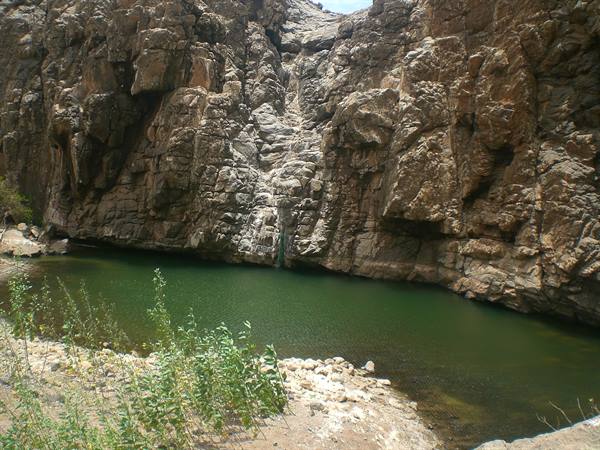
On the 6th day we set off again by car towards the town of Bofareira and the Espinguera ecolodge, then we visit the little northern villages "Joao Galego", "Fundo das Figueras" and "Cabeco dos Tafares", all three very pretty, where orderly low houses in various pastel colours are combined with a fair amount of greenery, very colourful flowers and a quiet that gives an idea of serenity. At Cabeco dos Tafares we leave the car and walk for about 40 minutes through a canyon where you can see the peregrine falcon, red and blue dragonflies in the pools of water left from the rainy season (August) and at the end of it a freshwater pond called Olhindo do Mar.
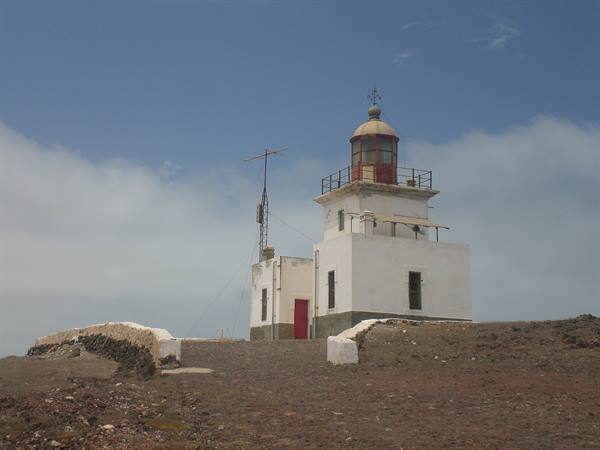
We return to the car and off again towards the now-disused lighthouse of Morro Negro; here we leave the car at the foot of the mountain and go up the steps to the lighthouse, from where you enjoy a spectacular view of the eastern part of the island, the one facing Africa. We go down and off again towards the beach of Ervatao, where in October the turtles come to lay their eggs; here we stop for about an hour and then head home, crossing parts of the island not yet seen. The 7th and last day of sun I devote to resting on the beach and a tour of the town for the last purchases before returning.
In the evening, with Pier, we go to dinner at the "Blu Marlin", where the least I can do is offer a nice fish dinner for the hospitality received and above all for the willingness to lead me to every corner of the island of Boavista, for the joy of having been able to see all the various landscapes that this beautiful island offers to anyone who really wants to know it without shutting themselves away the whole time in a big tourist resort. Thanks to Pier for everything and thanks to Boavista and its shy and helpful people. I can send photos and give in
The journey's photographs
31 photographs · click to open them full screen











0 reader comments